
Volume 106 | June 30, 2025

Reminder: If you want to access the Members only audio version, please go to this link and use invite code sxst3gkbkn to sign up.
|
Welcome to Brief 106! There are few places in the world where ambition, opportunity, and complexity meet quite like they do in Latin America. I just got back from (a quick trip to) Mexico City, where I attended Expo Seguridad Mexico, and the experience gave me a lot to think about. The event itself was important, but the larger conversation happening in and around the region is what stuck with me. Feels and sounds like an inflection point. In our industry, we talk a lot about emerging markets, maturity models, and growth potential. LATAM fits all of that, but it is not just a future opportunity. I have seen many markets, and this one is a present reality for those willing to see the nuances, accept the complexity, and invest accordingly. More on that below in the Brief. |
|
Quick note before we dive into it. I’m gearing up for a packed travel schedule in July and I cannot wait. Here’s where I’ll be:
If you’ll be in any of those areas during those dates, I’d love to connect. Let me know. Alright, to the Brief. |

PS: I am sure some of you may forward this, but please do so sparingly and encourage others to sign up here. Thank you!

What Is LATAM?
First, a quick clarification as I know "what is LATAM" can be confusing. It was for me, so I did a bunch of reading and asked even more questions. Here is what I walked away with: LATAM refers to the 33 countries and territories in the Americas where Spanish and Portuguese are the dominant languages. This includes Mexico (22 million people in Mexico City alone), nearly all of Central and South America, and parts of the Caribbean. Brazil is the only Portuguese-speaking country in the mix and also the largest by both land area and GDP.
But LATAM is not a single market. It is an umbrella term, like a label, that tends to mask the diversity, the differences, and the dynamics within. Argentina is not Colombia. Peru is not Mexico. And yet, as communicated to me more than once, in global strategy meetings, LATAM is often treated as one playbook. I think back to all the meetings I have attended where the discussions were singularly focused on this region.
That tendency to simplify is a mistake and one we cannot afford to keep making.
A market that remembers
Another conversation I had was that ten years ago and earlier, there was a wave of investment in LATAM. Many security manufacturers made their move into the region. Offices were opened, hires were made and momentum was building.
Then came the retreat. Roughly eight years ago, many companies pulled out. They shut down local operations, handed the keys to distributors and reps, and moved on to other priorities.
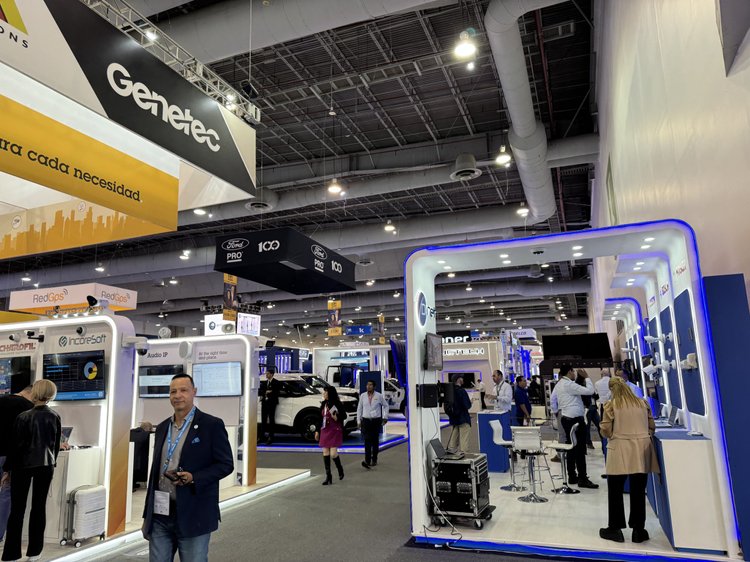
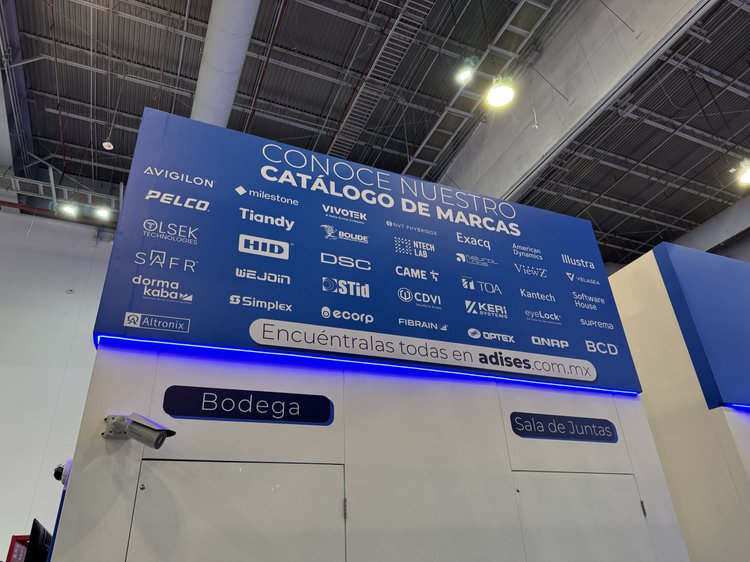
The impact of that exit is still visible. At Expo Seguridad Mexico, I walked a floor with a heavy distributor focus, carrying major brand portfolios. However, the brand owners themselves were often absent. That matters because when you leave, people notice. And when you stay, they remember.
It is a situation that reminds me of how the Middle East used to operate. For years, reps and distributors ran the show. That has changed. Global and regional brands now have boots on the ground in Dubai, Riyadh, and beyond. LATAM is entering that same transition.
For those who embrace it now, even if you have done it before, the next five to ten years could be incredibly rewarding.
The reality of fragmentation
Part of what makes LATAM challenging is also what makes it valuable. It is fragmented, languages shift, currency systems vary, cultural norms are specific, regulatory bodies differ by country, and certifications are not always transferable.
In many ways, LATAM feels like Europe before the EU. A collection of markets with shared threads but no common rulebook. This complexity can scare companies off. It also creates a moat for those willing to do the work.
The companies that win in LATAM will not be the ones with the cheapest product. That has been tried before (see below). The ones who will win will be the ones who show up, listen, hire locally, build trust, and stay.
A market in transition
What makes LATAM so interesting right now is the visible shift in maturity. There is a growing appetite for more than just low-cost options. People want choice, quality, service and support. And they want the broader industry to know.
The market has had its period of the "cheapest” and the consequences are playing out. One story I heard several times was about Chinese car brands, such as BYD, dominating the market in Mexico City in terms of price and low quality. But they are now facing a growing service crisis. No one wants to support the cars. The margins are thin. The maintenance model is broken.
It sounds a lot like what happens in security when quality is ignored. Low-cost products flood the market, serviceability goes down, and the channel suffers. Integrators do not want to install or support products that do not generate revenue or provide value. Over time, this creates rot in the ecosystem, and in the end, the customer suffers. I'd go so far as to say that the industry as a whole suffers.
Our high security side of our industry is built on specialization and skill. Life safety products require more than just hardware and software. They need reliability, support, and long-term thinking. That is why I believe LATAM is ready for a new phase. One where a full spectrum of offerings, including high-end, mid-market, and entry-level options, will coexist and thrive.
Digital natives and global conversations
One of the most encouraging things I saw during my trip was not on the show floor. It was also online.
LATAM has a vibrant, active, and insightful digital community, especially on LinkedIn. People are reaching out, sharing their opinions, engaging in debates, telling stories, and building their brands (not just their personal ones. They are doing a lot of the heavy lifting for the companies they work for and the community they live in). These are not just followers. They are leaders in the making. My counterparts in the rest of the world can take some lessons from this. Some of this behavior is built out of necessity, but that doesn't matter. Necessity one day becomes a differentiator tomorrow. Can you provide an example of where that is also true and it played out well? Look no further than India.
And this, being a digital native, matters, because the future of the security industry will not be built solely in factories, offices in Indiana, or boardrooms across Europe, it will be built in all public spaces. In conversations. In shared knowledge and collaboration. Both in person and online.
The expo itself as a snapshot of the region
The show itself was moderate in size as booths were mostly similar in footprint. The content was mainly in Spanish and everything surrounding this show takes place on the show floor. There are not many off-site meetings or significant customer events. If you want to engage, you do it right there, in the aisles. It makes it very manageable and quaint and I’m guessing it has a lot to do with the traffic in Mexico City (probably the worst I've ever seen and been in. Note: use the restroom and pack water before setting out for a 3-mile car ride back to your hotel, 2 hours later).
That simplicity has an upside as it keeps things grounded. But it also highlights what is missing. Some big brands were absent and others showed up, but without much energy or storytelling. The booths felt transactional. Functional, but not inspiring.
Except for a few.
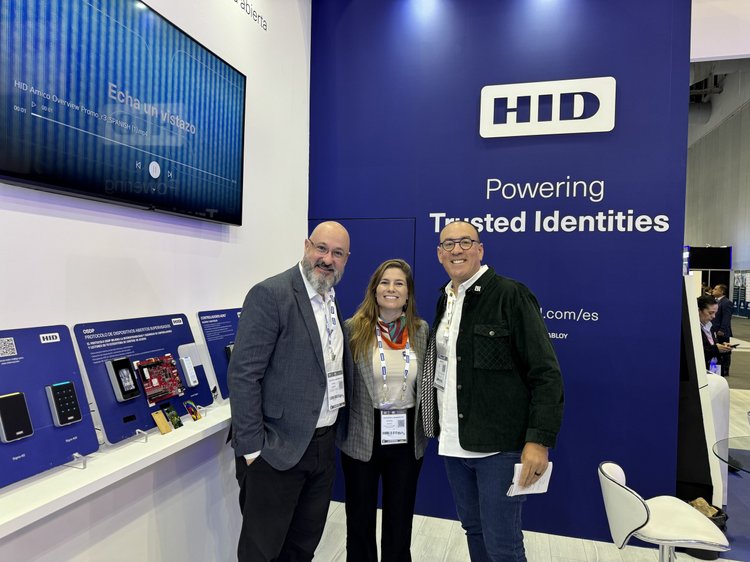
HID did a great job of pushing its internal boundaries with a well-immersive VR demo. Credit to Carolina Restelli and Rogerio Coradinifor that. It stood out.
Verkada had a strong presence. Their booth felt like a tech company with an energy and style, drawing people in. Say what you want about it (cue the typical "yeah, they have money" comment), but that matters. AJAX also had a solid showing. Resideo put some thought into their layout.
However, for most, the in-booth experience was flat (Motorola, JCI, and Axis Communications all had the opportunity, as they had big booths comparatively. Nevertheless, they all decided to do "same ole same ole"). And that is a missed opportunity. In a vibrant region, brands must showcase more than just their products.
They need to tell a story.
A story like Pro Mont. Check out the 20 year old Brazilian company or Sera4, the Canadian born and vertically focused logistics and critical infrastructure solution. I can go on and on as the show was littered with interesting people telling their local story, but you had to really look.
SIA and Start Ups in Security
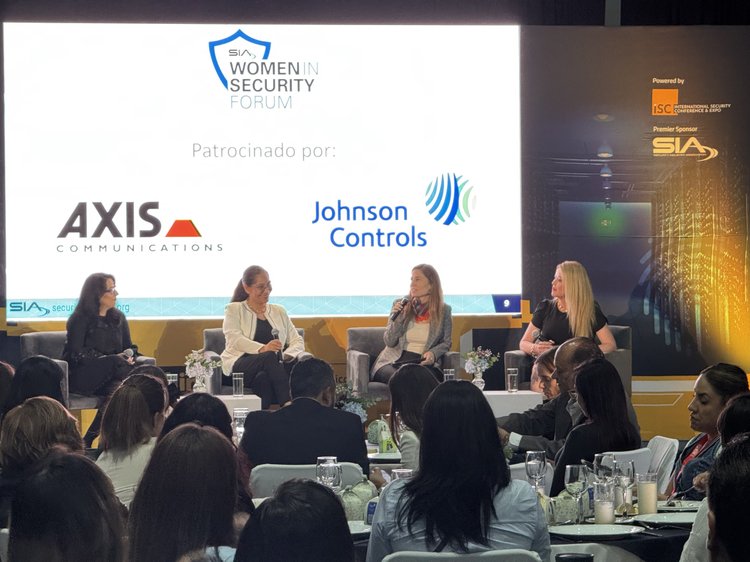
My time at Expo Seguridad Mexico had two main objectives. First, I was there as a board member of the Security Industry Association. Second, I was representing our Start Ups in Security initiative.
For SUiS, we held a small meetup with only two companies in attendance. However, what we lacked in quantity, we made up for in quality. The attendees were sharp, motivated, and eager to contribute. They told me they need visibility and education and that is something we can help with, and their perspectives will help shape how we build the global SUiS community moving forward. We will succeed, one brick at a time.
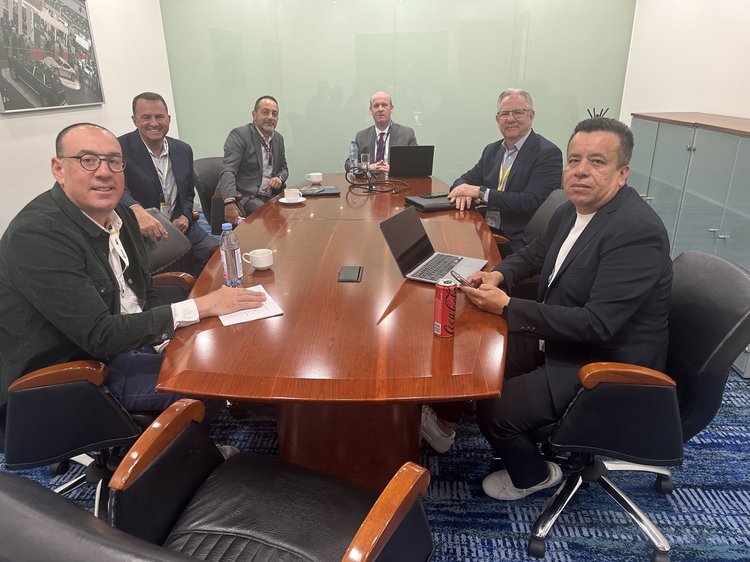
On the SIA side, I was joined by Don Erickson, Yaron Zussman, Dan Rothrock, and Ken Francis. It was important for us to be there as a signal that the region matters. We care about the community and are listening. Thank you for prioritizing the event and supporting the Startups in Security efforts.
Language and access
One thing that stood out was that almost everything at the show was in Spanish. It's an obvious statement of the year, I know, and it makes sense, given that it is the language of the region. However, I think it highlights a major gap that the show and the region should focus on (even if they don't think it should). The lack of accessibility to conversations due to language creates a barrier for many global executives of the brands that regional players want to be active in and visible to. I may be oversimplifying it, but many executives of major global brands do not speak the language, and I think that creates a situation that, although not explicitly stated, can get in the way.
It’s a strange dynamic. The people working in the LATAM market, need to sell their product to customers, and at the same time to their own company.
It may sound insignificant, but this is a strategic move. Offering translation services, even simple headsets, could change how the market is perceived. It makes people feel included and inclusion drives investment.
There is a brutal yet honest truth: when people feel excluded, they tend to disengage. Especially people in leadership positions that are not used to communicating their feelings and vulnerability. They move their attention elsewhere. Will they go? Sure. Will they engage? No. That is not fair, but it is real. And it is fixable.
After-hours culture
Mentioned earlier, but to dig in a bit deeper. One thing I missed at the show was the networking. Unlike ISC West or Intersec Dubai, there were not many public events after hours. Most people went to private dinners. I did the same (and had some of the best tacos and tequila I've ever tasted, by the way). However, there is still an opportunity here.
More structured networking, open gatherings, and casual meetups would go a long way in building relationships. This region has the talent and the hunger. Now, it needs more platforms for connection.
Looking ahead: ACS LATAM
This October, we are launching something new. ACS LATAM, in partnership with Google. It will be the first regional Access Control Summit focused entirely on Latin America.
This will not be a ticketed event. It will be invite-only and on a first-come, first-served basis. The goal is to get the right people in the room, not just for content but for real conversation. We will feature panels with end-users, channel leaders, and ecosystem voices. We expect 150 in attendance and the sessions will be recorded and shared as we always do. The focus will be on action internally and telling the exciting story of the region externally. ACS LATAM will be just as you expect all ACSs to be. Informative, fun, value-added, and different.
If you'd like to be there, either on stage or in the audience, please let me know. We are currently building the agenda.
Final thought: coming down to desire
I have written about many markets over the years and I always come back to the same idea. It is not about size, growth rate, or ease of entry. It is not whether the region can or can't.
It is all about desire.
Does the region want to grow? Yes. Absolutely. You can feel it. You can see it and hear it.
Now the question is, do the rest of us have the desire to show up, listen, and invest?
LATAM is ready. It remembers who left. It knows who stayed and it is inviting us all to come back with open eyes and open minds.
I am in and I hope you are, too. See you in October in Sal Paulo, Brazil.

Check out the latest jobs posted this week:
-
acre security (Material Master Data Specialist, NAM)
-
Nedap (Key Account Sales Executive)
-
ZKTECO USA (Sales Support Engineer)
Along with the jobs posted from:
-
Ambient.ai (Field Engineer)
-
Badgepass (Director of Channel Sales)
-
Gallagher Security (EVP of Americas Security)
-
HID (5 of them)
-
Kastle (9 of them)
-
Wavelynx (Marketing Manger)

We're thrilled to announce that we're bringing the ACS format—with a twist—to the Latin American market in partnership with Google. We'll focus on the tremendous opportunities in Latin America, exploring digital transformation, managing change, and the impact of mobile credentials. The event will bring together 150 end users (both large and small), along with regional channel partners and ecosystem players. We'll host it at Google's spectacular facilities, delivering the high-quality experience you've come to expect from ACS Events. We're seeking one or two sponsors to join us. If you do business in LATAM and are interested, please reach out to me here.
