
Volume 109 | August 12, 2025

Click on the above image and use code sxst3gkbkn to hear the audio version.
Hello from Pittsburgh, Pennsylvania. Fun fact: I graduated from high school in 1994 after moving from South Florida, spending just two years in the city. This week, I'm back, staying in the Oakland neighborhood. For those who don't know, Oakland sits just east of downtown and rose as Pittsburgh's cultural and educational hub in the late 19th and early 20th centuries. It's home to the University of Pittsburgh, Carnegie Mellon University, world-class museums, and renowned hospitals. Much of it was shaped by the vision (and funding) of Andrew Carnegie. My daughter is here to play in a weeklong softball tournament, and the fields and amenities at the University of Pittsburgh are first-class.
Seeing the Oakland neighborhood now is striking. Not long ago, Oakland wasn't a place where people spent much time hanging out. Today, it's buzzing with all sorts of life and full of cranes and construction. Change is everywhere, and more is clearly on the way. Check it out next time you are in town.
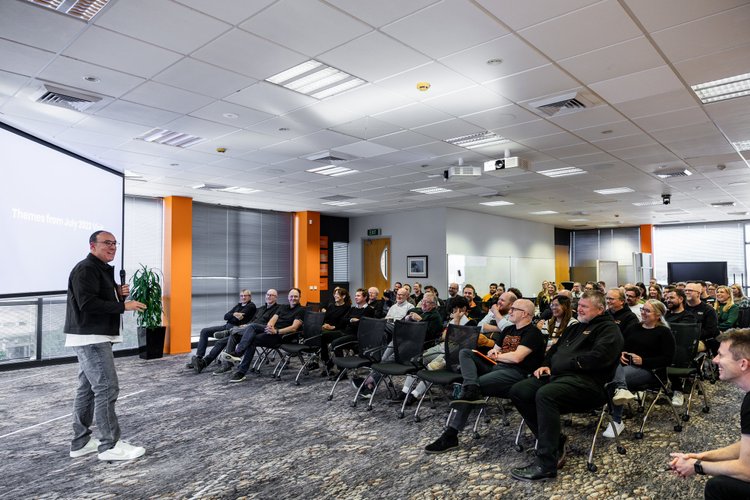
Thank you to everyone who joined the local security industry meet-up hosted by Ryan Kaltenbaugh of MC Dean, Daniel Myslewski of CertiPath, and a great group of local security leaders. The conversations were excellent, and the connections were made even better. I appreciate Evan Nardone, CTO of St. Moritz Security Services. St. Moritz is a U.S. security company with 700+ employees, 3,000+ officers, 30 offices, 100,000+ officer hours every week, a presence in all 50 states, and revenues north of $250M. They are no joke and as Evan wrote, “Security cameras, analytics, access control integrations, and cloud access have already changed the face of security services. St. Moritz Security Services, Inc. is proud to be at the forefront of this change.”
While here, a quick reminder…download Slack and join our community conversation. It's an incredible resource, and I'm still amazed by how much business happens there. It is also a hub for content and engagement between Briefs.
If you haven't yet, check out our latest episode with the acre security team to discuss the industry's future. They have a compelling perspective on using their past as a bridge to what's next. There's more news coming from them soon, but for now, dive into the episode titled “The Evolution of Data and AI in Physical Security.”
And if you're in marketing, branding, or communications and frustrated by the lack of security industry events designed for you, we felt the same…so we built one. RAMP is a one-day conference in New York City dedicated to your needs, created in partnership with Bloxspring to unite the proptech and the security industry. Expect CMOs, AI specialists, LinkedIn experts, and more, plus an afternoon of roundtable discussions to dig into real challenges. Attendance is capped at 150, and we expect it to sell out, so grab your ticket now.
Below, I'll be sharing my observations from Australia and New Zealand. I looked not just at differences between markets but also at the similarities to paint a bigger picture.
Then it's on to Singapore to meet with the Nineteen Group about XForum at The Security Event Asia, join Anthony Chow of igloo for an industry lunch, visit their offices, and wrap up with a podcast recording with Blue Ocean Security. Jonathan Lawry, CEO of Tercerdo, will also be joining.
After that, I'm taking a week with my family before the kids return to school. This summer has been a whirlwind of travel, access control, networking, and gratitude for the people in our industry. Thanks for showing up, engaging, and making this community what it is.
Have a great week, and let's keep the conversation going.

My time in Australia and New Zealand
For most people traveling, the first thing you notice when you land in Australia and New Zealand (ANZ - pronunciation is A-N-Zed) isn't the size of the land, it's the distance. Everything feels far. Far from everywhere. Far from the rest of the world. And yet, people here operate like distance is just another part of the job. It doesn't phase them.
I met founders and executives who think nothing of flying hours across oceans to make a single meeting happen. They do it knowing the travel costs are high, even if the margins can be thin. They do it while running high-quality operations, showing up prepared, and delivering with a smile. There's a resilience here you can't fully understand until you've seen or experienced it.
But here's the hard truth: building a global business from ANZ is tough. Selling into the market is easier, and local relationships run deep, but growing out of it is another story. The land mass is huge, but the population just isn't…not yet, at least. Most people I spoke to believe growth is happening, and more is coming. The challenge is thriving in the meantime, which forces many to look elsewhere in addition to the local market.
There's also a hunger to be taken more seriously in the global security conversation, paired with an even greater drive to see their market expand and sustain itself. Like other regions, ANZ has its share of "we've done it this way for 30 years" thinking. However, unlike other areas, they have the opportunity and the flexibility to build the market they want.
Frustration with ASIS came up more than once. The feeling is that the resources and support just aren't there. My advice was simple: no white knight is coming. If the help isn't coming from the outside, create it from within. Link arms, cooperate with the people showing up for you, and your peers in the market. Let go of the ones who aren't.
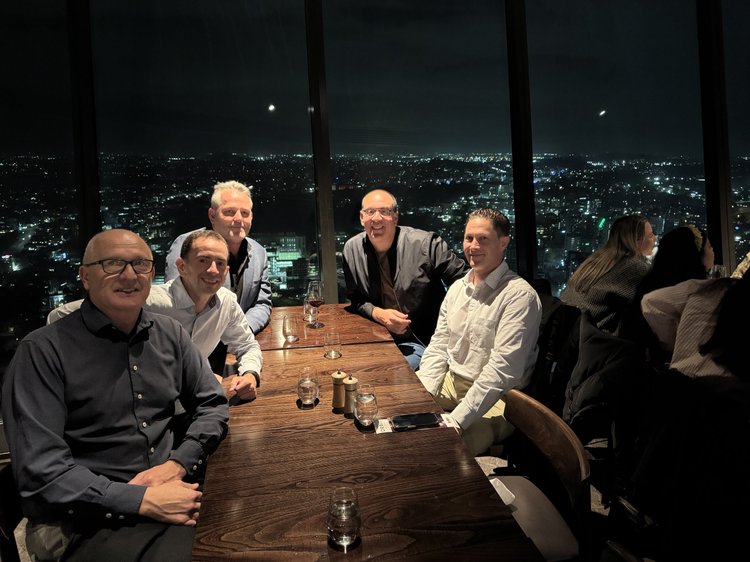
One opportunity I see? I had a wonderful dinner with a group of integrators, distributor, end user, and media (thank you Andrew Thorburn of Wesco Anixter) where the opportunity became crystal clear. ANZ is primed to go all-in on Hardware as a Service.
There's already a strong appetite for opex over capex, driven by the need to preserve capital, maintain cash flow, and lock in predictable monthly costs. The market is small enough to move fast, but big enough to influence others. The region was one of the first to adopt mobile payments and WiFi. The market has the perfect recipe for a shift to SaaS and opex that could redefine the region's competitive position.
When you leave ANZ, you carry two things: admiration for the people and excitement for what's possible if they choose to make bold moves.
Should we be rethinking distribution?
What do you call distribution when it's more than just distribution? And I'm not just talking about a Value Added Distributor. Go beyond that.
If you ask me, being local is unbeatable IP. Being local and being able to say, "Yes, we can do that. What do you need?" is an IP that is hard to compete with. And who knows local better than anyone and is in the perfect spot to say yes as a business? You could make the case for distributors.
But let's be honest: Distribution has a PR problem. It hasn't always helped its image, and the industry often paints it as a cartoon version of itself: big warehouses, box movers, thin margins. This is a good description for many, but the issue is that we lump everything under one definition. Like many things in our industry, some layers and nuances deserve more attention.
Let's first break down Traditional Distribution.
In the physical security industry, traditional distributors are the connective tissue in the supply chain. They purchase bulk quantities from manufacturers, maintain well-stocked warehouses, and ensure that inventory is ready for integrators and locksmiths. They offer convenience, competitive volume pricing, and just-in-time delivery, often same-day or next-day. They extend credit terms to help smaller integrators and locksmiths manage their cash flow and serve as a credit buffer for manufacturers. They market, train, provide tier-1 tech support, and curate broad product lines, often with competing brands, offering integrators and locksmiths flexible options to build solutions.
Now let's look at Value-Added Distribution.
This is the most recognized "upgrade" from the traditional model. Value-added distributors go beyond shipping boxes. They educate, assemble, configure, pre-install, kit products, customize firmware, and manage compliance for specific markets. They often serve as the manufacturer's technical arm in fragmented regions, especially where plug-and-play doesn't work. Sometimes they act as hybrid channel partners or specialty distributors. Sometimes, they even build private-label products, edging into OEM logistics or contract manufacturing territory.
Then there's LSC out of Melbourne.
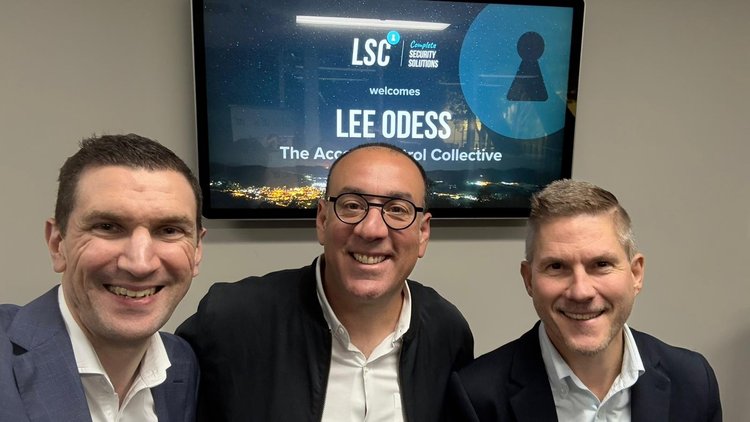
While in Melbourne, I met David Weinel and Rhys Saxon of LSC, and they've taken the value-added model and turned the dial further. Calling them a distributor doesn't do them justice. They're a hybrid channel partner, specialty distributor, OEM logistics partner, and contract manufacturer all rolled into one. They invest in the business and market, as well as in custom manufacturing, fulfillment, pre-installation, kitting, bundling, and direct sales to integrators, locksmiths, and end-users. They even invest in startups and scale-ups. They asked me not to share who they invested in, but you'd know many of the brands.
If it weren't for LSC's roots in distribution, you wouldn't call it a distributor. I believe they're reshaping what the role can mean in the physical security ecosystem, and I hope it spills over into other geos. If being local is the ultimate IP, they've turned that into a full-stack, market-shaping advantage.
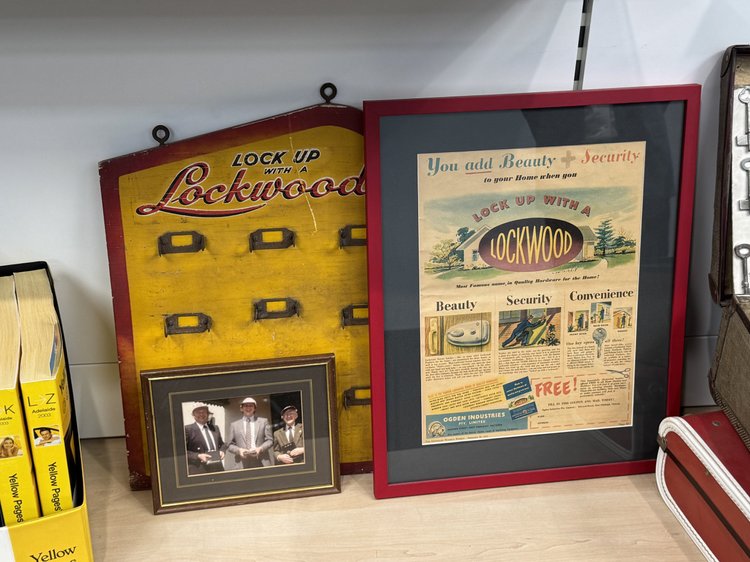
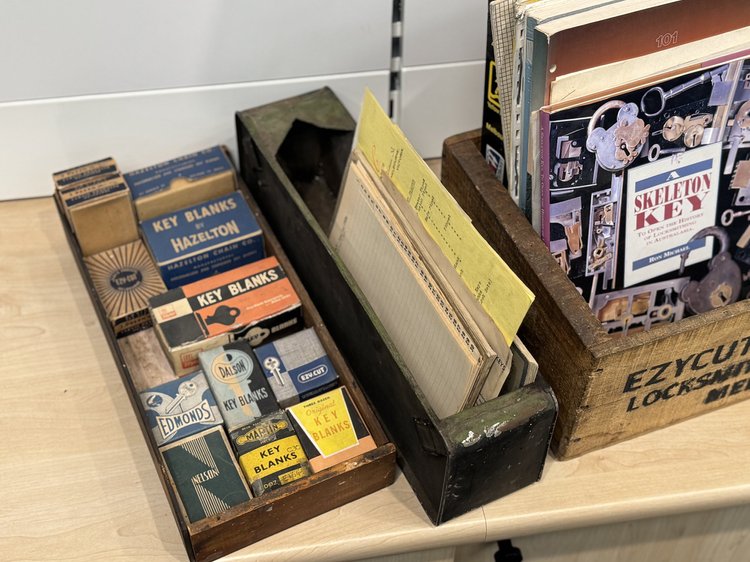
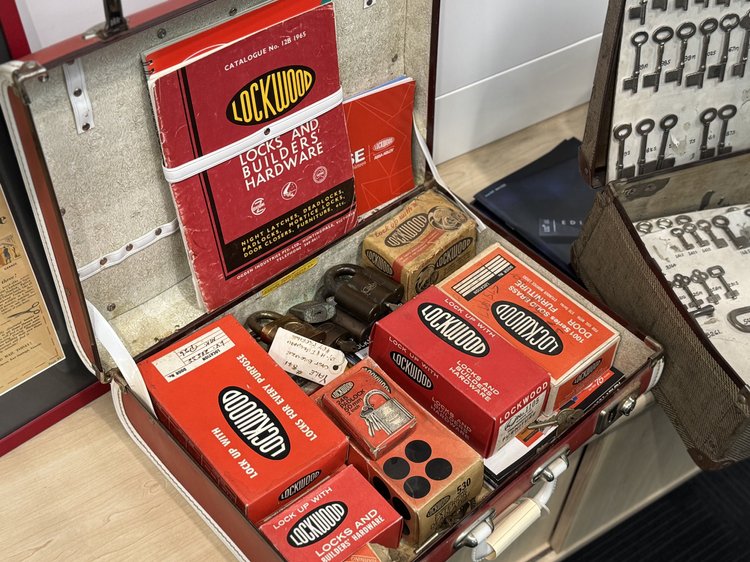
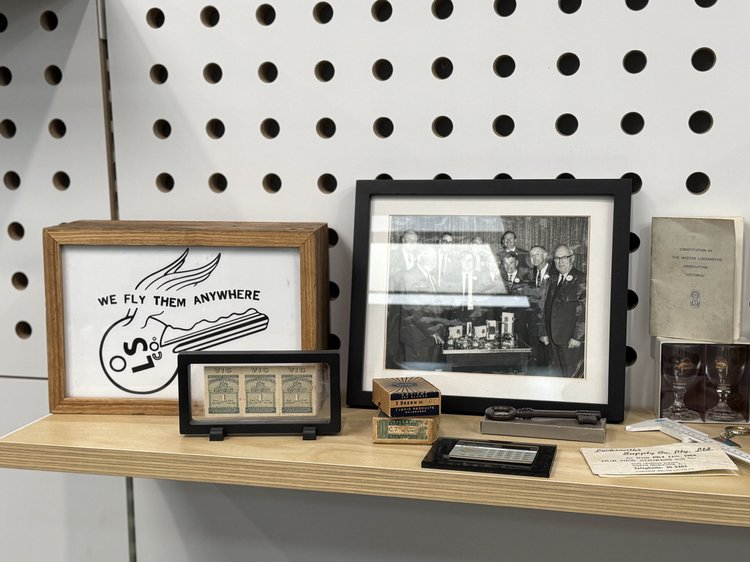
Walking into LSC's headquarters in Melbourne, you can see and feel the history before you even hear it. This company began in 1926, when Aubrey Johnson, fresh from World War I with experiences that could fill a book, took a job at his uncle's ironmongery in Richmond (Australia). He worked hard, bought his shop in North Melbourne, and poured himself into learning everything he could about locksmithing. He brought Australia its first code-cutting machine for cylinder keys and began importing specialist locksmith products from Europe and the US.
The Second World War slowed shipments, but by the late 1940s, Aubrey's son, Stuart, had joined the business and shifted it toward becoming the Locksmith Supply Company: a pure distribution specializing in locking and security products. Stuart became a tireless ambassador for the trade, traveling across Australia and New Zealand to demonstrate new products, co-founding the Master Locksmiths Association, and teaching locksmithing at the original Tech School in the evenings. By the 1950s, the business was thriving, "built on hard work, honesty, and going the extra mile for customers." Those values are carried through LSC today.
Fast forward to now. Stuart's son and sole owner, Mark Johnson, has modernized LSC while keeping that pioneer spirit alive. He invested heavily in giving the company a modern look and feel, expanded into electronics after a pivotal visit to Los Angeles, and aggressively pursued brand partnerships. Today, LSC is a major SALTO distributor, a platinum HID partner, ABUS distributor, and Risco distributor for intrusion solutions. They acquired McGrath Locks, a local brand from a builder, and developed it into their product line, positioned between mechanical and electronic access. That product now sells in the US through IML and in the UK through RemoteLock. True to their locksmith roots, the line is designed with the small details others overlook, which has become a differentiator.
They're also a massive key stamper, a major master key system provider, have their own access control system (called CS Technologies) and more. And they're not just selling products; they invest energy and support in their partners, including innovators like Omega ("Omeeega"). Omega, a locksmith and now integrator, is wild. They are also one of LSC's oldest customers.


|
Anthony Payne gave me a tour and what stood out to me was Omega's physical space. In all my travels, I've never seen a locksmith invest in something like it. They have a part experience center, a glass-walled workroom so visitors can watch the craftsmanship, a rooftop entertaining space, and a museum. The experience center is laid out in four thematic zones: education, hospital, logistics, and residential, with products fully installed and detailed on both sides of the doors, creating immersive vignettes. For a 50-person company, this space will be a competitive advantage that's hard to replicate. You need to see it. LSC and Omega's journey reflects a broader truth: distribution and locksmithing have evolved. Historically, distribution served a hardware-heavy, SKU-driven industry. Cloud software, mobile credentials, and recurring revenue models reshape the role. Once defined by mechanical craft and community protection, locksmiths are now embracing electronics, software, and integration while still keeping their roots. If I told you I met with "a security distributor and a locksmith in Melbourne," most people would nod politely and change the subject or blow it off and find the Melbourne part far more interesting. But that misses the point. Companies like LSC and Omega are no longer just distributors or locksmiths; they've evolved into hybrid channel partners, specialty distributors, OEM logistics providers, contract manufacturers, brand builders, and market shapers. And that's precisely the evolution our industry needs to start recognizing. I'd check them out. Plus, LSC knows how to pick a good coffee for flat whites and dinner spots when you're in town. |
|
The broader market picture in ANZ The broader market picture in Australia and New Zealand adds even more context. I will try to capture it all here in some hot takes.
|
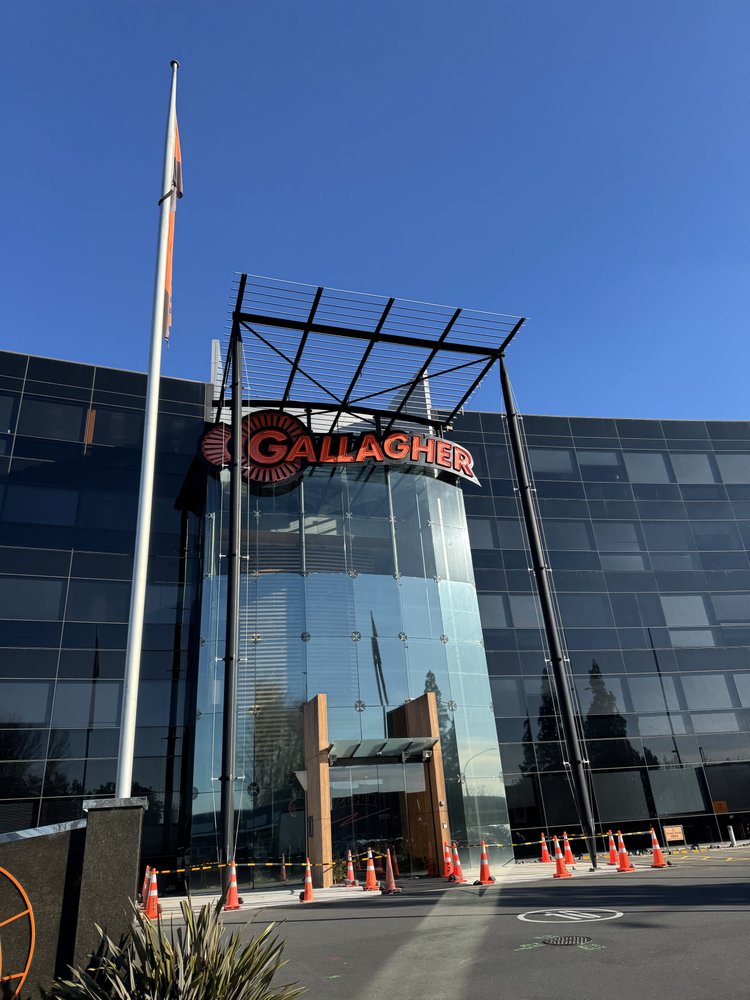
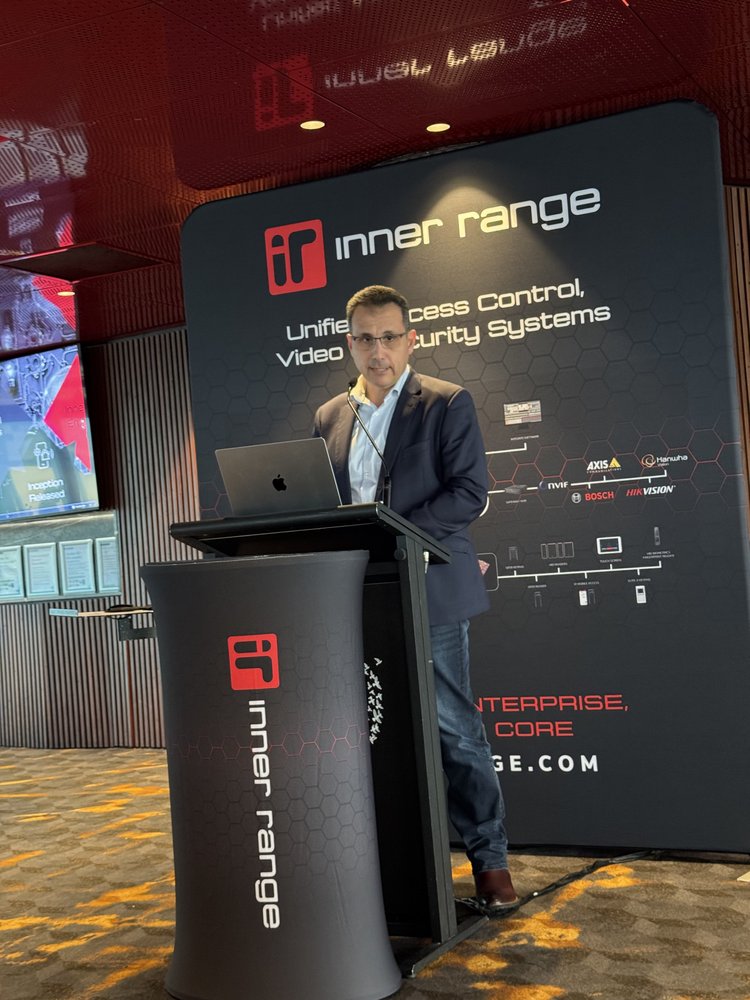
Gallagher Security and Inner Range: two different companies, one shared opportunity
Gallagher Security is one of those rare incumbent companies in our industry with the right incentives and the appetite to act on them. Being private means they aren't juggling quarterly earnings calls, stock buybacks, or market expectations from "the Street." Their focus is squarely on their strategy and long-term plan.
Recent leadership changes in Hamilton, the Americas, and Europe will bring fresh ideas, new methods, and higher expectations (I hope). If anything, it's got the belief they can, and I heard that loud and clear. With North America representing a serious growth opportunity, I expect them to allocate meaningful resources behind it. They're already investing heavily in both marketing and branding. I emphasize the "and" because too many companies treat them as the same, or just do the marketing part and ignore branding. Many still view the marketing role as serving the existing market rather than growing it, and they often associate branding with redoing their website or creating a logo (if that). Gallagher seems intent on doing both and the team and plan is strong (see the “Do More” campaign).
They are positioned to lead change rather than be changed by it, but there's one concern: most product and strategy decisions are still made in Hamilton. It's far from New York, Chicago, Berlin and London, and their ability to make the right calls is only as good as the information from the field. That opens the door to "garbage in, garbage out" scenarios or echo chambers, where HQ responds to "my channel and end users are requesting it" without the broader context. I'm not saying it will happen, but I hope they are putting process and people in place to ensure it doesn't. Because you are good at sales in a region does not mean you are good at product strategy for a region.
To be fair, many companies based in the US or EU squander their home-field advantage through risk aversion or misaligned incentives. However, distance adds another layer of difficulty, with long flights, significant time zone gaps, and the tendency to let local teams steer brand presence in ways that may not align with strategy. Without strong marketing and field marketing embedded in their markets, Gallagher risks relying too much on old-school industry sponsorships, legacy channel strategies, and local market habits, instead of letting their true differentiators shine through.
This isn't theoretical. We've already seen examples where local teams influenced HQ's approach, such as the North American teams response to "open" and their rollout of the Switch product. Both played too small, and the results, in my opinion, matched. Again, like stated above, even North American brands are struggling to tell a story that resonates (also see “open”), grow at the rate equal to the opportunity (see “quarterly earnings” or talk to any of the dozen "industry leading" brands), or bring new ideas to how they go to market (see brands who boast about "distribution or integrator” only).
The good news? With new leadership, a group of impressive existing talent, private investment capabilities, a differentiated message, and a clear desire to grow, Gallagher Security has everything it needs to break out of small ball and play for real market impact. I am bullish and look forward to seeing what they are doing.
If you have the opportunity to visit Gallagher Security in Hamilton, do it. You will thank me later.
Then there's Inner Range. They're virtually unknown in much of the Americas and large parts of Europe. But that's not because the product isn't compelling. They have an advantage that most companies in our industry would kill for.
The product is a true platform: over 300 integrations, a robust API, and a culture of saying "yes." Yes, some legacy products that served them well historically need to be sunset (older keypads), but the potential of this product with its differentiated go to market opportunity is compelling. Their architecture reflects what many see as the forward-looking model for access control systems: secure, connected, open, and IoT-ready. They've just put a new team in charge, and when I saw their roadmap presentation, it checked all the right boxes.
But here's the interesting part: their real advantage isn't the platform. It's their sister company, Wesco/Anixter, which offers built-in distribution, spanning not just one or two markets, but the globe. Yes, Wesco/Anixter also sells competing products, and customer preferences will always vary, but that's just one slice of the overall opportunity. The scale of their reach, the sheer number of feet on the street, and the ability to put product in front of integrators and end users without building that network from scratch make them a serious threat when they start executing at full throttle. Their built-in distribution is the kind of advantage most manufacturers dream about and what some brands in our industry leverage.
It's not an automatic win, though, as execution will matter, but it's a head start that could be an incredible accelerator if they decide to leverage it fully. I look forward to seeing the damage they can do.
I recommend putting aside what you’ve known of Inner Range (if you’ve known about it) and meet with the new management team.
Gallagher and Inner Range are starting from very different positions. One is a global brand with deep resources and a private structure; the other is an under-the-radar platform with a built-in distribution superpower. Still, both can turn their current moment into something much bigger as the market opportunity moves from cottage ($10B) to mainstream ($100B).
How they choose to play it will be worth watching.
Finally
I have a special spot in my heart for the ANZ market and the people in it. It's beautiful. The people, the way of life, the geography, the weather, and the potential are stunning. If my wife and I had visited before having kids, we would have stayed. It's even a place I could see us moving to one day.
There's something different about it.
It is also an important market globally and deserves more attention than it gets. The constant need to travel and view the globe as its market creates a business culture unlike anywhere else. The brands out of the region are strong, a pleasure to work with, organized, well-positioned, and thoughtful. The effort the people put in to punch so far above its weight needs to be recognized and respected.
But here's the truth about the market they live and work in: the market won't change until the people living and working in it decide to change it. Complaining about what you wish it would become won't make it happen. Shifts of that scale take a united effort, with local manufacturers, service providers, integrators, distributors, locksmiths, end users, and competitors working together to drive change. Gallagher Security, ICT, Inner Range, Teecom, Portier, Torus, LSC, Wesco/Anixter, Convergint, Omega, the end users, and everyone in the industry need to come together, work together and create what is needed for the market. Just because you are headquartered in New Zealand and work in Dubai doesn’t mean what works in Dubai will work in New Zealand. The market looks, smells, tastes, and sounds like a market that has its own story tell. The market looks, smells, tastes, and sounds like it’s own market.
The first step? Form an association independent of ASIS that represents the region and develops the necessary resources. Be your mouthpiece and follow that up with resources and effort.
Here's an open invitation to explore what SIA might do for you. I'm not saying they will help, but I suspect that if the community came together and asked, they would at least listen and look to help.
Second, focus on the segments of your market that are ready for SaaS and OPEX models. Bring in products that fit that approach or grow them locally, connect them with a local channel that supports it (find the 7' centers), and start educating the market on the advantages. Show how these models create value, improve safety and security, and deliver better user experiences. Am I oversimplifying it? Absolutely. But there is no better market to do this in, and no better group of people to execute on it, than the ANZ market.
Thank you to everyone who made this trip poossible and amazing. I'm already looking forward to the next one.


If you're a marketer in security or proptech, you already know: most industry events aren't really built for you.
𝐓𝐡𝐢𝐬 𝐨𝐧𝐞 𝐢𝐬.
Hilary and I have talked about this since day one.
We wanted to create an event for marketers. We've both felt the gap, not just in content, but in community, and we believed we could help fill it, because we’ve lived it.
So we teamed up with the crew at Bloxspring (Adam Malik PJ Appleton) to make it happen.
The first event is this fall in NYC. The next one will be on Bloxspring’s home court in London.
𝐓𝐡𝐞 𝐂𝐨𝐧𝐟𝐞𝐫𝐞𝐧𝐜𝐞 𝐟𝐨𝐫 𝐌𝐚𝐫𝐤𝐞𝐭𝐢𝐧𝐠 𝐋𝐞𝐚𝐝𝐞𝐫𝐬 𝐢𝐧 𝐒𝐞𝐜𝐮𝐫𝐢𝐭𝐲 & 𝐏𝐫𝐨𝐩𝐭𝐞𝐜𝐡
Thursday, October 16
8:00 AM – 4:00 PM
New York City
𝐑𝐞𝐠𝐢𝐬𝐭𝐫𝐚𝐭𝐢𝐨𝐧 𝐢𝐬 𝐧𝐨𝐰 𝐨𝐩𝐞𝐧. Register here and select the member discount.
If you’re a marketer in this space, we made this for you. Hope to see you there.

Thank you HID and ASSA ABLOY for sponsoring ACS LATAM.
PS: I am sure some of you may forward this, but please do so sparingly and encourage others to sign up here. Thank you!
