
Volume 144 | May 6, 2026
Reminder to JOIN the The PhySec Collective community Slack channel to network, engage, and be part of something big! You can sign up here.
This week was the annual quick trip to The Security Event in Birmingham. I have written before that it is one of my favorite shows because of the uniqueness of it, the atmosphere created, our partnership with The Nineteen Group and their trust in us to execute, all the people we see on LinkedIn and then in person, and the companies supporting the effort (and admittedly the opportunity to run the canals and eat at Dishoom. I am a nerd for Peaky Blinders and can eat curry 7 nights a week…I am unafraid to admit it).
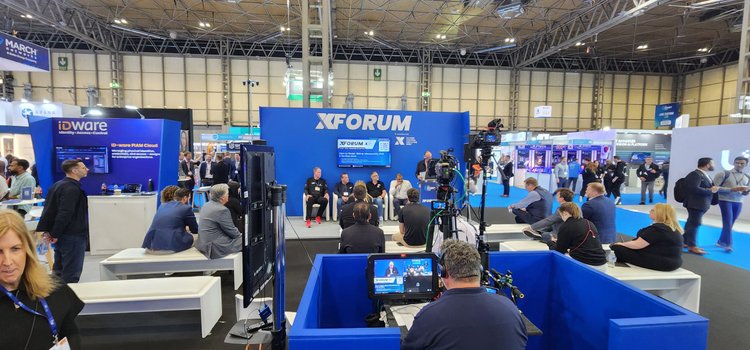
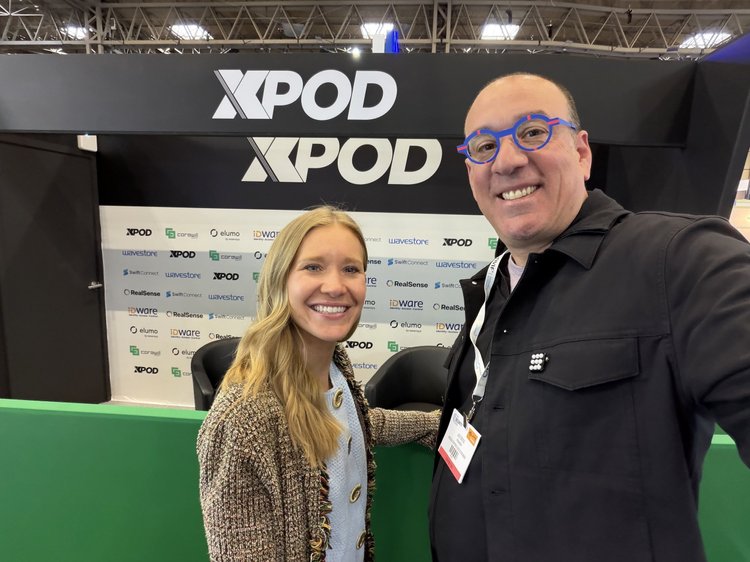
Hilary, Alex, and I did a lot this year. First, we landed in London and went southwest to Southampton (at a marina) to shoot some footage on a project to come. More on that later. Then we headed to Birmingham. The XForum had 25 talks, including one-on-ones, panel discussions, and a new addition called XPod (fancy for “podcast studio”) in the back of the XForum with 45 companies represented by executives answering three questions in a unique podcast format (we are going to do a cross-cut of each to narrate a story…we think you will like it). We hosted Industry Night sponsored by HID, SwiftConnect, Genea, Honeywell LenelS2, and Verkada, and in partnership with ISC Events, the Security Industry Association, and European Locksmith Federation, where over 150 of you joined us (in 2025, we had about 120). And I delivered a presentation called The Integrator of the Future on Verkada’s stage, where I covered six attributes of what that integrator will be made of as the industry moves from a security integrator to a system integrator. It's a new deck I created and will share here soon. Woof… all in 72 hours.
I am still thinking it all over and digesting what I saw, heard and discussed, and we have a bunch of content to bring out, but here is a quick read on what I observed and the insights pulled from the discussions and conversations.
First, the platform play is underway in the UK market as well. Cloud conversations are, for the most part, ubiquitous at this point. Two years ago in Birmingham, the cloud was still a debate. This year? Think of it as a refreshing baseline that no one really talks about (unless their job description is weirdly a cloud sales person). The questions on stage and in the aisles moved past that debate, and went to a conversation on which architecture, which identity provider, and which integration model. It all made me smile as it was progressing. It is a meaningful shift that tells me the squeeze I have written about in prior Briefs is not a North American story. It is global (kind of - Middle East is still early), and the UK and broader Europe are now living it in real time. The companies that walked in with a clear platform narrative had crowds and genuine interest that will last when they go home and do their follow up. The ones that walked in with a feature list were visibly old and boring. That gap is going to widen, fast.
Second, the regulatory conversation is being had without us. At this point, I am sure some of you are tired of me talking about this, but it's a legitimate problem, especially in the UK and some of Europe. It is always crazy to me that the cultural desire to wait for regulators to shape our industry, even though they know little about it. What stood out was that we are not in any of those rooms. I feel like we believe our job is to be the expert who communicates the regulations handed to us, not the expert who shapes the regulations before they're written. I also heard, more often than not, that cybersecurity experts are driving much of the physical security regulations, and now you have AI experts joining them. That is a problem, and I do not understand our desire to roll over and have our tum tums patted. We have decades of operational expertise, install base data, and frontline knowledge of what works and what does not. Yet we keep showing up after the fact, raising our hand for clarification on rules other people wrote about our work. If we want a seat at the table, we have to stop waiting to be invited and start showing up where the policy is being shaped, not where it is being announced. Yes, we have SIA and OSS, and there are more, but we should be in all of them (especially outside the industry). Foreshadow: see you in Munich in 2027. Stop waiting.
Third, the hall is sorting itself into three camps. There is a real belief that this floor will soon be three things: 1. old-school hardware 2. old-school security manufacturers and distributors, and 3. identity and automation companies. The third one is the most important (interesting?), and it is also the one most underrepresented today on a UK show floor. The first two will continue to generate cash for years, and there is nothing wrong with that as long as you are honest about which business you are in. But the energy, the talent, the capital, and the customer conversations that decide who matters in 2030 are pooling around the third camp. If you are a manufacturer, integrator, distributor, or investor, the question to ask yourself is not which camp you say you are in, but which camp your roadmap, your hiring, your pricing, your partnerships, your story, and your customer wins actually put you in. Those two answers are usually further apart than people want to admit. What should you do? I go back to...check your desire and prioritize action over talking. Some companies did and it was clear who is leading.
Fourth, the workplace show is slowly moving into the security show. The Nineteen Group runs a workplace show alongside The Security Event (as well as Fire and Safety), and that proximity is doing something interesting. The first stop on that change was visitor management (check out Eptura’s booth front and center), which has effectively migrated from a security adjacency to a workplace category over the last five years. Next is identity and I heard that loud and clear a number of times. The consensus in the conversations I had is that identity is shifting there, too, and we become an orchestration layer downstream of it. Read that again. The identity database, the thing I have been writing about as the new center of gravity, may not be sitting in our shows in five years. It may be sitting in the Workplace show that is across the hall, owned by an HR info system, a workplace experience platform, or an IT identity provider. We become the team that takes their decisions into doors, gates, and turnstiles, and are left with doing the opening or not part (mechanical). That is not a bad business (pains me to say that out loud), but it is a smaller one and it is a very different business than the one we built our companies around.
Pulling these four together, the pattern is consistent with what we have been writing about for years and its getting bigger and bigger. The center of our industry has moved from the door to the person. The “orchestration layer (and power)” is moving from the PACs to the identity stack. The regulatory and cultural conversations that will shape the next 30 years are happening in rooms we aren’t in. And the show floor at TSE is reorganizing around that reality, whether we are ready or not: outcomes.
One last observation. The UK feels like an island unto itself in a way it did not before. Something has changed and I heard it more from locals than anyone else. Geographically it has always been an island (thank you in advance for those of you who will read that and email me), but for years it was just that. Brexit definitely changed that. You can feel it, hear it in conversation, and see it on the ground, and the sense I got is that it is not working out the way people hoped. This is not a political statement. My parents lived in London for 15 years and I have spent a lot of time there. This is more of a spirit observation. It is something deeper, and it is showing up in the conversations, the tone, and the posture of the market. I am not sure what to do with that and what it means, but I could sense it and there is something different in the air.
All that said, the good news is that Birmingham showed up. The Nineteen Group continues to invest in the kind of programming that puts the right conversations in front of the right people, and the executives who came to XForum and XPod did not come to read brochures or just hang out. They came to connect, express, argue, listen, and reset. I really appreciate how everyone showed up (the AI panel, for instance, will be one to watch for and I can’t wait to hear all the interviews Hilary did). That is what a show floor is supposed to be, and it is increasingly rare (looking at you, GSX).
Thank you to The Nineteen Group, the companies who were in the XForum with pods, the sponsors of Industry Night, and the 45 executives who sat down at XPod to answer three questions in front of an audience.
We are already looking forward to next year. Thank you!
Click on the above image and use code sxst3gkbkn to hear the audio version.
PS: I am sure some of you may forward this, but please do so sparingly and encourage others to sign up here. Thank you!
