Volume 24 | August 8, 2023
Welcome to Brief Volume 24! As most of you know, I recently traveled to Australia and New Zealand to get first-hand knowledge of the market, meet with companies headquartered there (thank you, Daltrey, Torus, GOKI, smartlox, ICT, and Gallagher Security), and soak in the culture and amazing scenery. This document is part 1 of a 2-part series. I will share my overall market insights, observations, and thoughts here. Part 2 will discuss the companies I met with during my visit.
Note: If this sounds familiar, you may have read it on Slack already. I experimented by sharing this already on Slack last week. Do members want it via Slack and email? The jury is still out, but worth taking a look at.
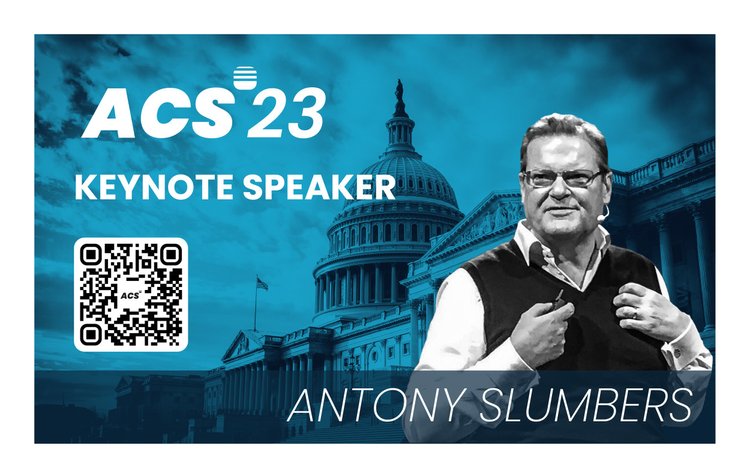
Also, I wanted to highlight ACS23! The response so far has been excellent. We had a company buy 20 tickets, a bunch of people from the banking community bought tickets thanks to Imperial Capital sharing the conference, and we are in the final lap of prep with all the panels and 1:1 speakers. The agenda has been updated on the website: https://www.leeodess.com/acs23-agenda, so please check it out. More info is below. Also, here is a brief introduction of what our keynote speaker, Antony Slumbers, will be discussing. Please let me know if you have any questions about ACS23!
UPCOMING TRIPS & OPPORTUNITIES TO CONNECT
-
August 14-15: SIA acceleRISE in Denver, Colorado (USA). I am sponsoring the happy hour on Monday, August 15, from 5:30 pm to 7:30 pm at Wynkoop Brewing Company. Please stop by and say hello. Additionally, I am excited to share the stage with Erica Grant, CEO of Quantal Security, as we discuss Digital Transformation: The Generation Game- Maximizing Opportunities and Mitigating Risks for Your Future Success. acceleRISE is shaping up to be another amazing event.
-
September 6-7: CEDIA Expo in Denver, Colorado (USA). I will presenting a Smart Stage Session: Unlocking the Future – A Journey from Mechanical to Smart Locks. Thank you to the team at Kaadas for the invitation to present at CEDIA.
-
September 12-13: GSX in Dallas, Texas (USA). I will be joining Rob Lydic with Wavelynx and Brandon Arcement with SwiftConnect on a panel discussing The Impacts of the NFC Wallet on the Security Industry. Thank you Wavelynx for the invitation to be on the panel at GSX.
-
September 27-28: The Access Control Summit in Washington, DC (USA). We have updated the agenda online and you can find it here (Bert Hart and Hilary Gallagher crushed the design and layout of this page - thank you both). At the bottom of this Brief is an overview of the panel discussions, presenters, and fireside chats. The event features 60 (up from 55 last time I sent a Brief) speakers from all over the globe, celebrating our industry and telling a great story of where we are today and where we are headed tomorrow. On September 27th, there will be a reception overlooking Washington DC, and on the 28th, a fast-paced and impactful full day of talks. The networking opportunities will be unparalleled, the event's look and feel will be on point, and the conversations will be one-of-a-kind. Everyone is welcome to join, but there are only 150 tickets available to be in the room. Visit https://www.leeodess.com/acs23 to purchase tickets or learn more about the event. Members get 50% off the ticket price. See you there!
Thank you and back to the Brief!

PS: I am sure some of you may forward this on but please do so sparingly and encourage others to sign up here. Thank you!
Part 1: Australia and New Zealand Market Observations

As most of you know, I recently traveled to Australia and New Zealand to get first-hand knowledge of the market, meet with companies headquartered there, and soak in the culture and amazing scenery. This document is part 1 of a 2-part series. I will share my overall market insights, observations, and thoughts here. Part 2 will discuss the companies I met with during my visit.
I was only there for a week, so becoming an expert in such a short time was impossible. However, I walked away with clear insights and more questions than answers. Most importantly, I have a strong desire to return and a confirmation that meeting with people behind the companies in different cities is where I want to spend a good amount of my time. Although online communication is effective, in-person interaction cannot be replaced.

Here are my insights from my non-business-related experiences in Australia and New Zealand:
The place is simply stunning. The views, people, culture, food, and hospitality are what you expect and have heard, but they go beyond expectations. I have yet to meet anyone who has traveled there and shared anything negative about it beyond the distance and time required to get there. Those who live there are very proud of their home countries and for good reason. Usually, I am drawn to a place for three reasons: people, architecture, and food. While Australia and New Zealand only have two of the three (the architecture beyond the Sydney Opera House was not that great when you have natural architecture with water, beaches, hills, and weather, you do not need architecture. I'll give it a three out of three: great people, great natural architecture, and fantastic food.
Now, for my business-related observations of the Australian and New Zealand market:
I'll start with the people. The teams at Torus, Goki, smartlox, Gallagher Security, ICT, and Daltrey blew me away. They were so gracious with their time, and I am grateful for the hospitality, honest conversation, and opportunity to get an in-depth view of what is going on in their home markets and beyond. Thank you. It is another reminder that our industry is not made of great companies but is made of great people.
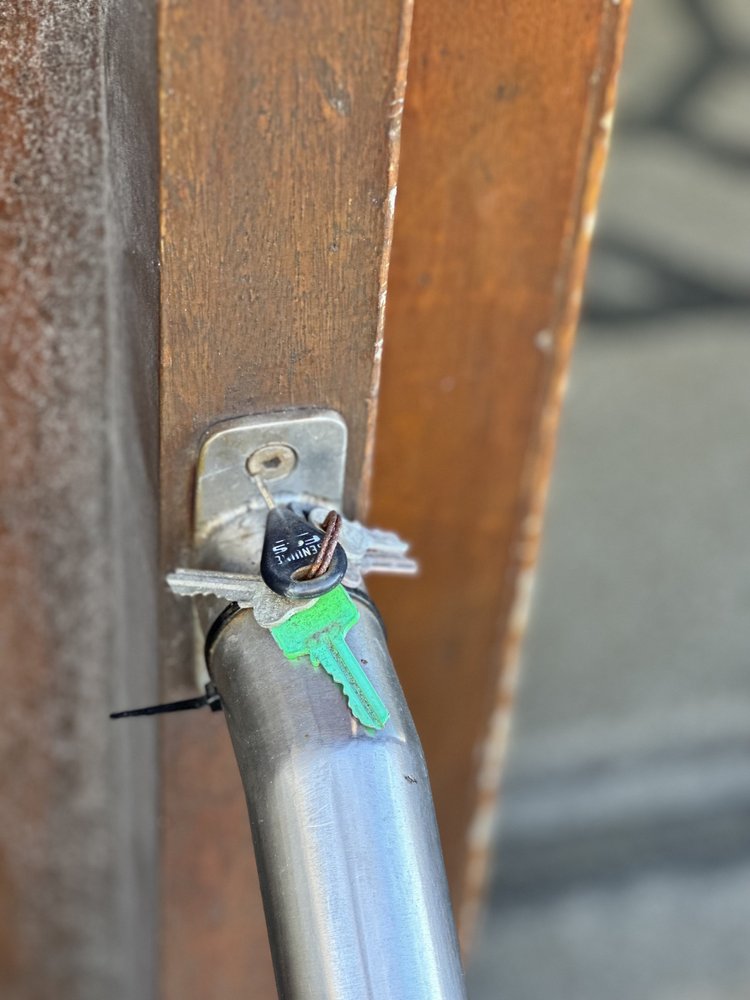
I have never been to a place that is so advanced in some areas (digital payments) yet so clearly behind the curve (cloud and mobile computing, consumer digital locks), with such a rich history for a small market (3 significant players and a bunch of disruptors in niches) exporting great technology.
Unlike in Sydney and New Zealand, I have been to many places where digital payments are accepted. Cash and coins are practically non-existent, with only a few pockets where they are still used (I saw some tip jars). Using your phone is how you pay for taxis and ferries, food, give money to causes, and just about everything else.
However, access control to get into spaces using digital locks has yet to be widely adopted. Why?
The reasons I have been given are "the channel" and "Apple's program." Although those may be true, and I am confident they are part of the reason, they are a small part.
It reflects a more significant trend: the manufacturer's mindset and "reluctance to adopt the new." Reluctance to adopt the new includes the adoption of new technology, new methods to market, and new business practices. The Australian and New Zealand access control and smart lock industry is affected by the same pandemic of iteration other markets have. The only difference is the size of the home market they work in. There is a culture of looking elsewhere first to adopt new technology versus locally. Gallagher Security, Inner Range, and ICT are slow to adopt and push this experience locally. Not saying they do not do it. It is there that they could do more, but the work needs to get done.
I still need help getting my head around the slow adoption locally yet aggressive mentality to expand internationally. I called it "Hesitancy locally / Fearless internationally."
Everyone in Australia and New Zealand is quick to remind me about how the market is a test bed for a ton of mainstream technology built by companies outside of Australia and New Zealand, like digital payments, but last to adopt technology they can control and is made locally (cloud, mobile, consumer digital locks).
It is a head-scratcher and one of my takeaways: the access control leaders in Australia and New Zealand need to invest more locally because the external market is coming, and although they have been able to control the market, the digital transformation coming has no boundaries, cares little about the past, and is undefeated.
For instance, the venture market is controlled by three companies and a handful of angel investors, making it very hard to raise money in-country. Instead of complaining about the integrator channel not being what they need, there is an opportunity to do something about it.
Gallagher Security, Inner Range, and ICT could incubate the next generation and leverage it for their growth. This, however, will take a new mentality. Imagine if they all three got together and did it.
Now, there is a culture of keeping your head down ("tallest poppy") and an attitude that whatever is wrong will right itself with time ("she'll be right"). But that legacy thinking is leaving a huge gap that will be filled by someone else if they are too careful and not more aggressive. The market is too important to be ignored anymore. There is an even more significant opportunity around cylinders and the retrofit market, residential/multifamily with a deeper software suite, and just slamming the lid on the market on the broad and niche segments. The culture and attitude are incredibly appealing and part of what makes the people so extraordinary.
The question I have is, how do you use it to continue to build the trust and comfort it brings in working with the people of Australia and New Zealand, and how do you ignore it when it is time to be the tallest poppy or force it to right itself quickly?
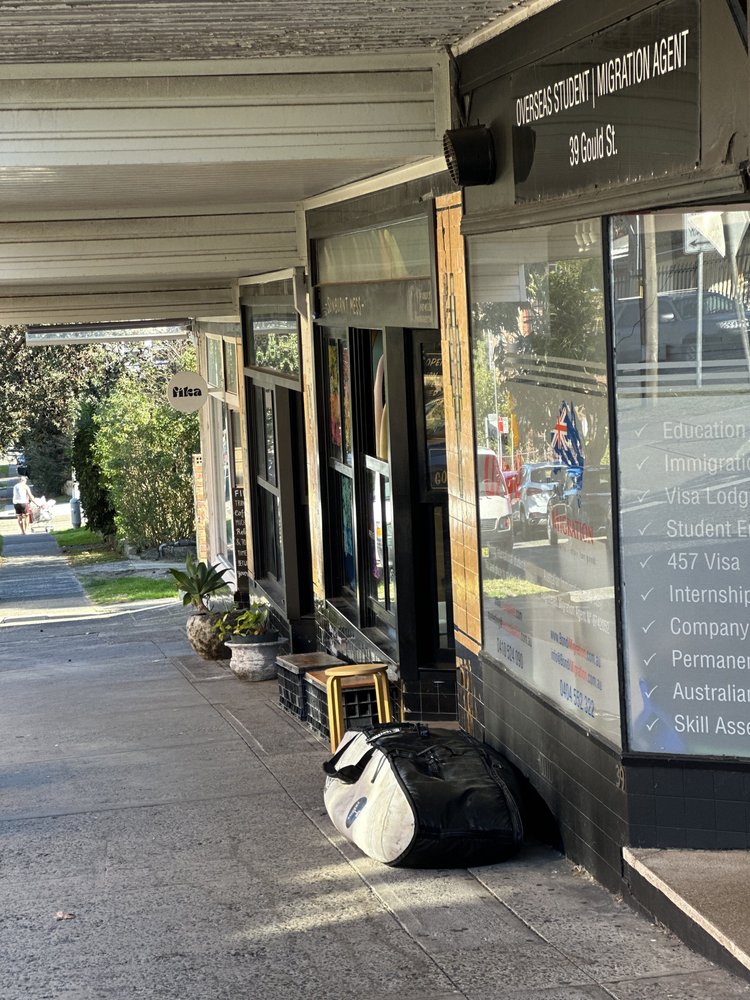
Another area of opportunity specific to Australia and New Zealand that comes up several times in conversation is the local government, also known as councils and authorities. I will be honest; it is hard to get my head around all the differences and the level of authority they all have. But it was explained to me that Australia has over 500 councils across the country, and New Zealand has 50 districts across 11 regional councils. The long and short of all this was that there seemed to be a consensus that they are wildly under-penetrated given the vast distance and complexity to penetrate. Still, if someone were to figure it out, there would be an excellent opportunity.
Speaking of government, both countries are heavily reliant on government subsidies and funding for projects. I heard that upward of 30% of the overall economy beyond government-specific work is driven by government funding. It helps keep different sectors afloat and robust. Whether that is arenas and stadiums, museums, commercial buildings, and so on, the incentives and subsidies are the lubricants for the economy, so having a presence there is vitally important. However, I received more eye rolls when I asked about the bureaucracy.
Unfortunately, I know what that means for innovation. It makes it extremely difficult for innovators at the ground level and up, making it highly unfair for larger entities with the time and core business already rolling to deal with the red tape.
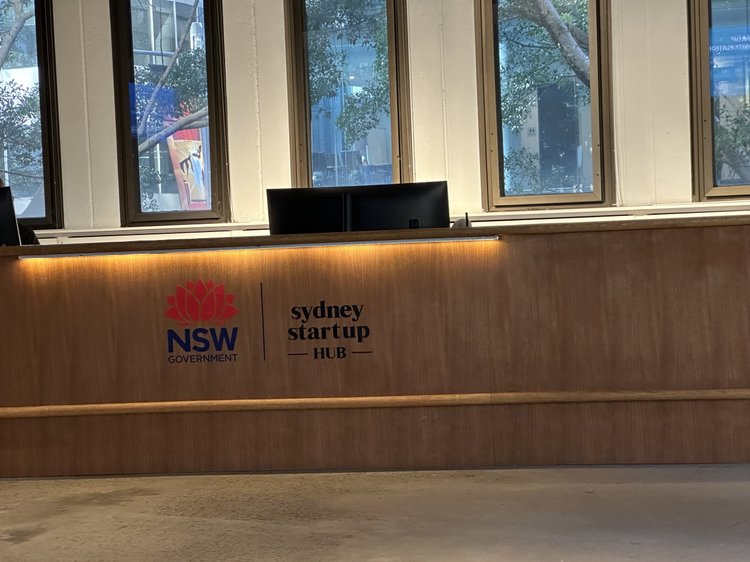
In stark contrast was the number of government-funded startup workspaces littered all over Sydney. In between meetings, I needed a space to get some work done. Unlike in the US, where it's expensive to get a coworking space, Sydney has vibrant and accessible "community workspaces" all over. I was directed to one called Sydney Startup Hub. The place was buzzing. Not only did they have great decor, free wifi, ample seating, and an excellent barista selling flat whites (side note: best coffee I've had anywhere. Hands down), but there was also an amicable community of startup founders. I got work done, took calls, and infused myself into the Sydney startup scene. It was great to see the government invest like they are in creating space like this too. I am sure it helps with innovation (and hope). Its benefits were expressed to me from my discussions with two startups in access control that used the space (more to come in Part 2).
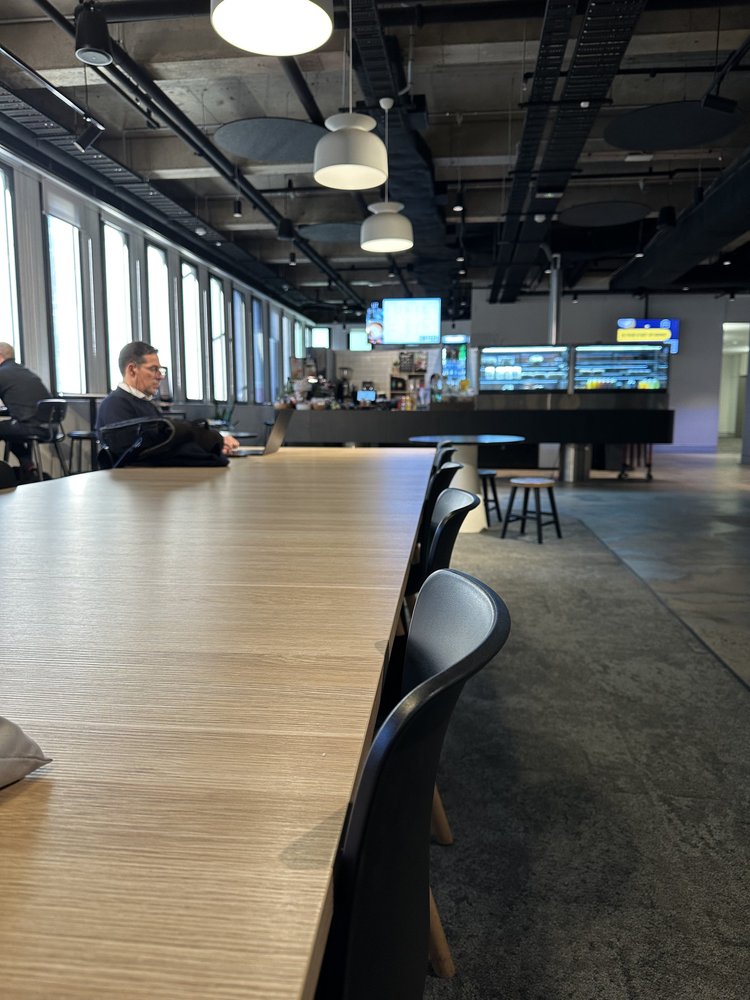
Overall, these are two beautiful countries. It feels like a powder keg of opportunity where the future of our industry might be pretty close.
The choice is theirs: do it or have it done to you. What is for sure is that it is coming.
Next up…Part 2 and my overview of the 6 Meetings.
Tickets Are Now On Sale for the Access Control Summit 2023!
With over 50 Executives and Thought Leaders from all over the globe, ACS23 is the must see event of the year in the physical access control and smart lock industry. Click here or on the image below for more details or to buy a ticket at 50% off because you are a member.

What is ACS? Why should you go? Who is going to be there?
Click here or on the images below to see the agenda and find out more.
Buy tickets here.
Join the access control and smart lock industry's most influential executives and thought leaders at the premier event of the year!
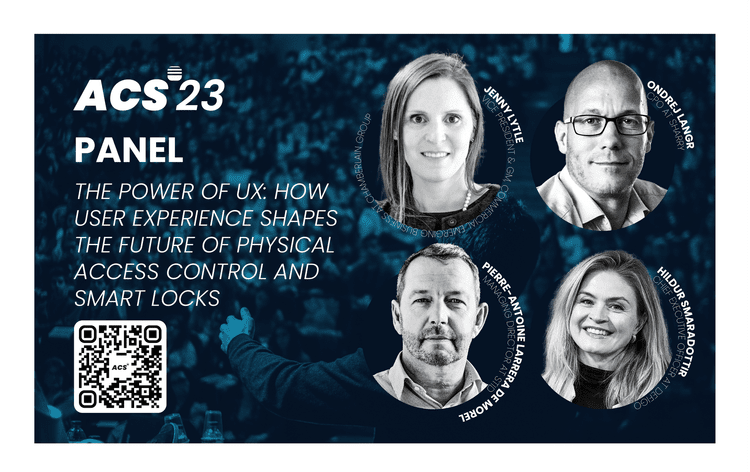
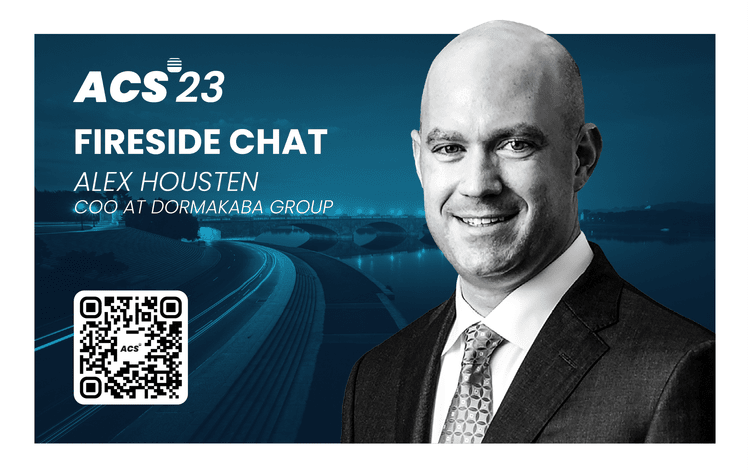
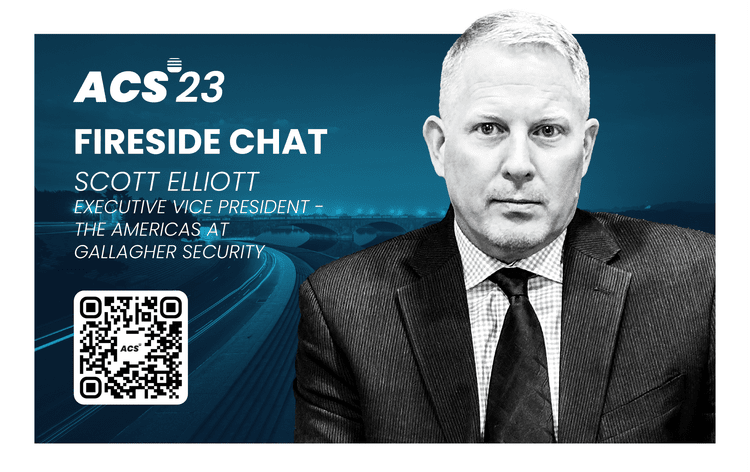
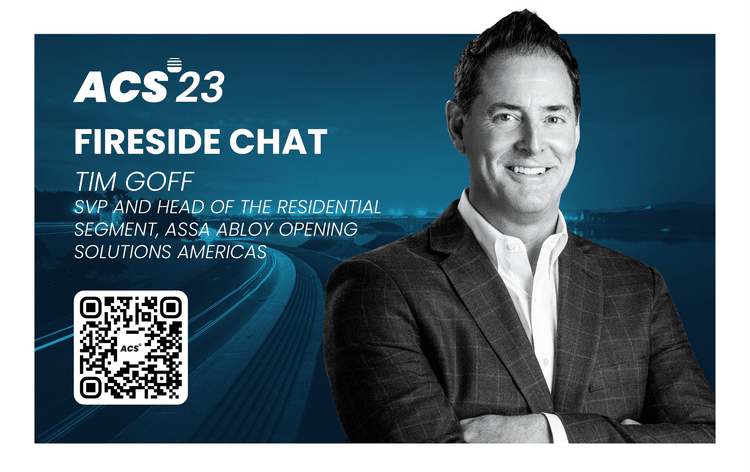
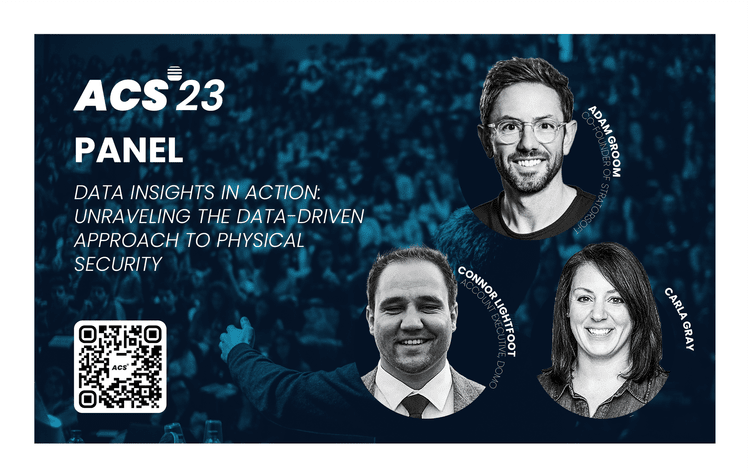
Example of the Keynote and our panel discussions below. We will have 60+ speakers between panel discussions and 1:1 fireside chats.


We will be bringing the Access Control Village to CREtech New York. More information coming soon!