
Volume 97 | April 13, 2025

Welcome to Brief 97!
Hello from somewhere high above the Atlantic. After a few great days at The Security Event in Birmingham, I am coming home from Dublin.
The only reason I know the day right now, as I feel massively disconnected from my life, is that it's my wife's birthday (and I'm thrilled to report we're landing a few minutes ahead of schedule. Update since I am now writing this on Saturday and Sunday: I can report that I made it).
That familiar traveler's paradox has set in—the one I wrote about recently on LinkedIn that seemed to resonate with many of you. You know the feeling: simultaneously depleted yet energized, riding emotional highs and lows, frantically busy one moment and restlessly bored the next. It is wild. Hilary also did a wonderful job expressing it in her own words (found here).
But before diving into my takeaways from the “industry trade show eclipse,” as I call it, known as ISC West and The Security Event in Brief 96, I need to express some heartfelt gratitude. After the effort put in by a lot of people, I think it is important to say thank you.
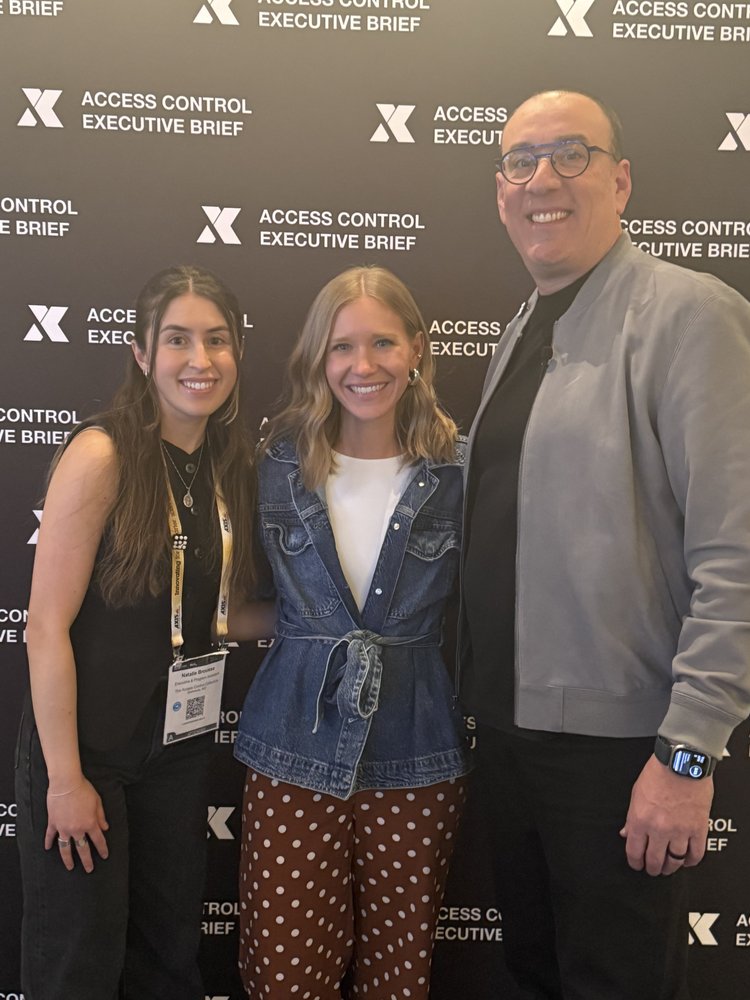
To my incredible team, Hilary, I couldn't ask for a better partner in this journey. Natalie, Courtney, and Maria, your immediate impact, presence, and performance have been remarkable. The sheer volume we've accomplished in just two weeks is astounding (though what is ahead for the next six months is equally impressive!). And you've done it all with smiles and determination. I'd bet on our team and I’d bet on you any day.
To our Access Control Executive Brief Members—wow. You are the foundation of everything we do, and it's remarkable to see all of you in action at both shows. You are an industry leader and a tight group. Over the years, we've built a truly impressive global community, and I'm continually amazed by its caliber. What is crazy is that we are just getting started.
To all the companies and teams who've partnered with us—thank you for believing in our vision and recognizing the value we bring - especially together. Without your support, none of this would be possible. This is the very definition of a win-win(-win) relationship, and I can't wait to see what more we do together.
To the broader global security industry, your curiosity, graciousness, and friendliness are awesome. As I often tell Hilary after meeting folks from around the world, "It still blows my mind how many people read our stuff." That feeling of "who me?" and wonder never gets old, and I promise never to take it for granted. A healthy dose of paranoia keeps us/me grounded and we will continue to build.
Finally, to RX (the team behind ISC West), The Nineteen Group (the team behind The Security Event), and the Security Industry Association—it has taken some time, but thank you. The trust in the partnership is strong, and the value is clear.
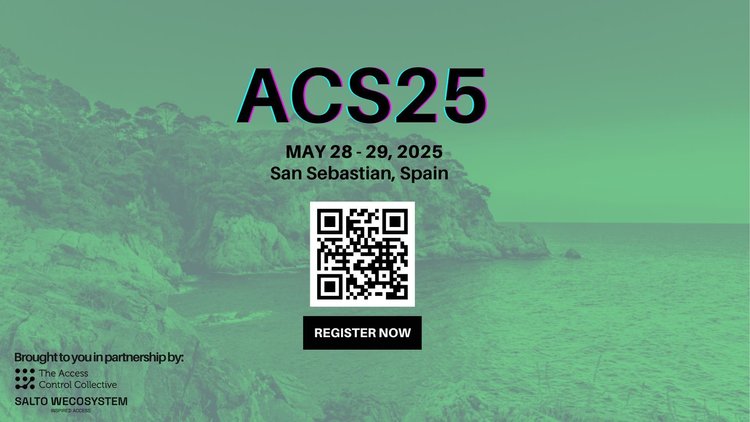
Now that ISC West and The Security Event are behind us, we're focusing on the Access Control Summit (ACS25). With over 70 speakers and nearly reaching our capacity of 170 attendees, it's shaping up to be an exciting event. While members get priority attendance, I'd love to have you join us, too. Here's some great news for Brief readers: I'm offering 100% off tickets to the first 10 people who use this link. If you already have a ticket and want to share this discount with others, please do—but remember, it's limited to just 10 people, and once they're claimed, that's it!
All right, to the Brief.
FYI: No audio or version of this Brief as I am off with my family this week. When I am back I will get them back up online.

PS: I am sure some of you may forward this, but please do so sparingly and encourage others to sign up here. Thank you!
My plan for this Brief is to give you an overview of both shows, share my thoughts and insights, and evaluate how my predictions from Brief 95, titled 2 Continents, 2 Weeks, 2 Major Security Showcases: A Rare Industry Alignment, matched reality. In that previous Brief, I shared my "most burning thoughts and analysis, highlighting which predictions proved accurate, what I got wrong, where surprises emerged, and what these parallel events reveal about the evolving security industry worldwide. I aim to go beyond the obvious and offer fresh insights." You can let me know how I did.
ISC West
The word I would use to explain the show is "big." Yes, the crowd was big (reported 29,000 attendees with 750 exhibiting brands), but the "big" I'm talking about goes beyond mere attendance figures and spans two key areas.
First, the show floor. For those of you who attended... notice anything new and different? How about the sheer height of the booths and the abundance of large ceiling banners? If you've ever been to CES or other mainstream trade shows, you've experienced this sense of scale before. After speaking with numerous companies, it became clear that many had invested in entirely new booth designs with a focus on creating immersive experiences. And unfortunately for those who didn't make this investment, they were visually overwhelmed by those who did.
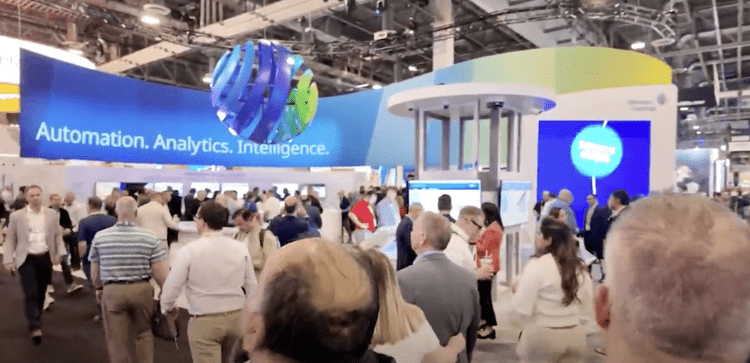
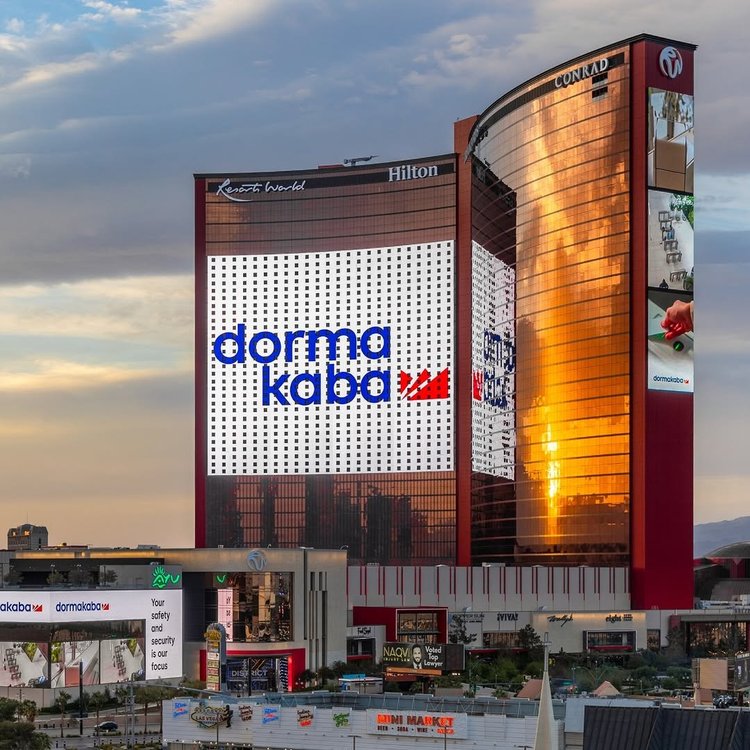
JCI, Verkada, and acre security's booths stood out as particularly impressive. And dormakaba made a visible splash.
JCI's commanded attention through sheer size alone (though what was inside wasn't particularly groundbreaking - the massive ceiling banner did the heavy lifting).
dormakaba leveraged their relationship with Resort World and lite up the strip. Booth looked great as well.
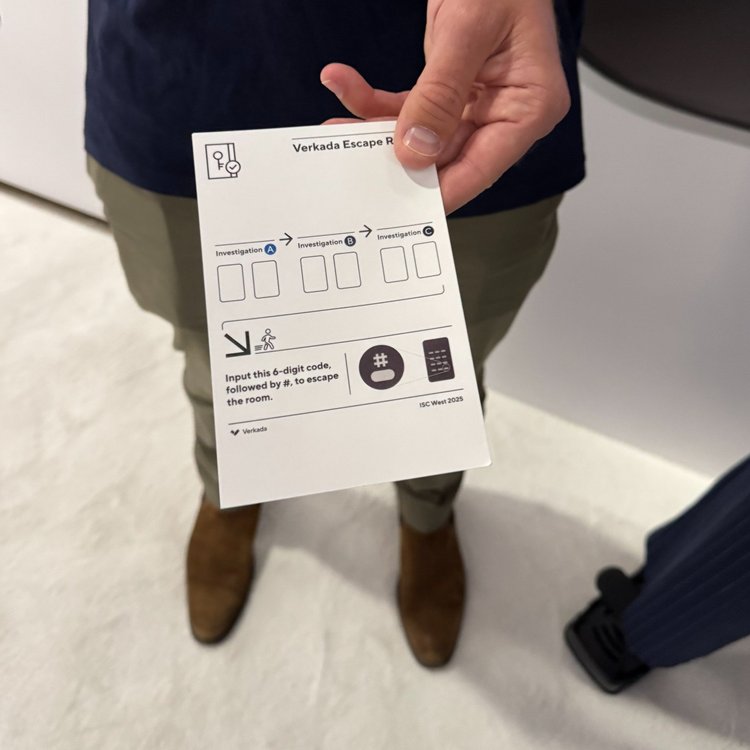
Verkada's escape room concept was exceptionally executed - not some half-hearted gimmick. They constructed four distinct rooms, skillfully integrating their technology into a fun, engaging experience that showcased their innovations. I appreciated the subtle but effective storytelling and branding as visitors exited the experience, used the vertical space and entered the prize area where they could win AirPods or a premium flask.
acre security continued their strong branding exercise with immersive storytelling throughout their space, especially a hallway exhibiting their brand difference and message “Move to acre.” There's something genuinely inviting about their booth's atmosphere - from the comfortable seating and coffee bar to the thoughtful color choices and layout. It's refreshingly different from the typical black and blue monoliths that look like they were designed by Darth Vader himself or the white sterile product displays that are predictable and uninspiring.
"Show Me and Entertain Me.
"We've definitively moved beyond the era of booth designs featuring square central storage units with vertical walls displaying hardware and TVs. While that approach created open sightlines across booths, today's and tomorrow's booths are tall, interactive experiences with prominent headers that make their presence felt, not just seen. We're shifting toward "show me and entertain me."
Personally, I think this evolution is fantastic. Unfortunately, many companies in our industry lack the in-house talent to creatively execute these types of experiences and their leadership team is not allocating enough resources (yet expecting exponential returns). The good news? You have 365 days to either bring the right people on board or engage market consultants who can help you deliver. Simply complaining about other booths' size while ignoring the imperative to create engaging, entertaining experiences for attendees is a fatal strategy.
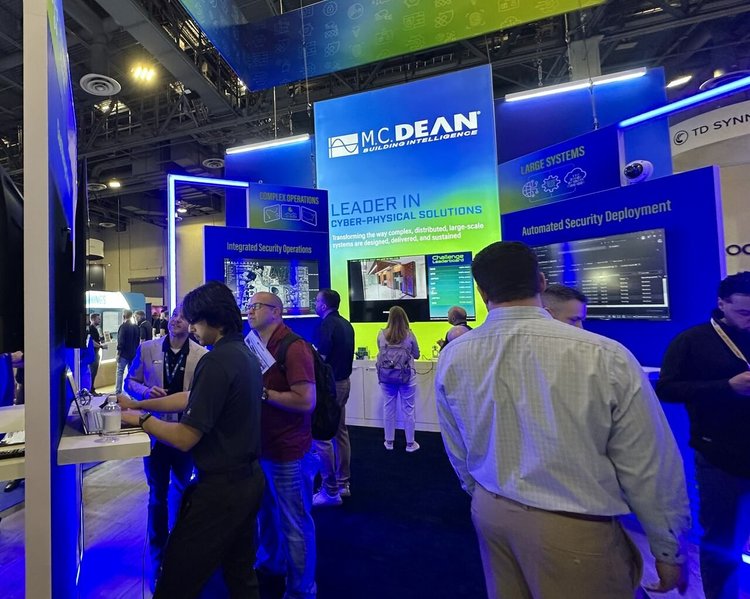
More Than a Show for Integrators.
While integrators maintained a strong presence at the event, something remarkable happened this year - for the first time in the show's history, we witnessed all major multinational integrators, along with MC Dean, establishing their own dedicated booth spaces.
This shift signals a profound transformation in the show's identity and purpose. What was once primarily focused on integrators has evolved into a comprehensive show that seamlessly brings together end users, integrators, and manufacturers under one roof.
The show has matured into a mainstream security technology showcase, moving far beyond its roots as a niche industry gathering. This evolution reflects the broader transformation of the security industry itself - from a specialized field to a central component of modern business operations.
As the show continues to grow, expanding in terms of size, diverse stakeholder participation, and attendee demographics, it will be fascinating to see how RX responds. The challenge lies in managing the growth while keeping the unique character and intimate networking opportunities that have long been hallmarks of ISC West. Consider CES as a cautionary tale—that show eventually became too big for its own good.
Fun and Buzzy.
It's ok. You, like me, can admit-It was fun. The show was buzzing. People were genuinely excited about showing off their stuff, telling their story, networking, and being part of something. You could feel and see it.
I think a positive expression like ISC West is important. It's ok for our industry to collectively flex a bit and grin. That's how I explained it. ISC West was a flex and dripping with swag.
This desire to be social is making it wildly hard to compete with doing anything at night. The nights are super busy with party, after reception, after dinner. It is great but I believe that is where the next area of investment will be by companies. Expect a swing back to well-funded experiences at night.
That's part of the reason we shifted our attention to breakfasts. We held two at Bouchon (one for Amazon Key and the other for FAST with Wesco and SwiftConnect) and both were well attended. To that point, we've already rented out Bouchon (the entire restaurant) for ISC West 2026 on Wednesday and we will be holding a member breakfast + a breakfast in honor of FAST. Members only will get in early from 8-8:30am. At 8:30am we will open it up to the general public.
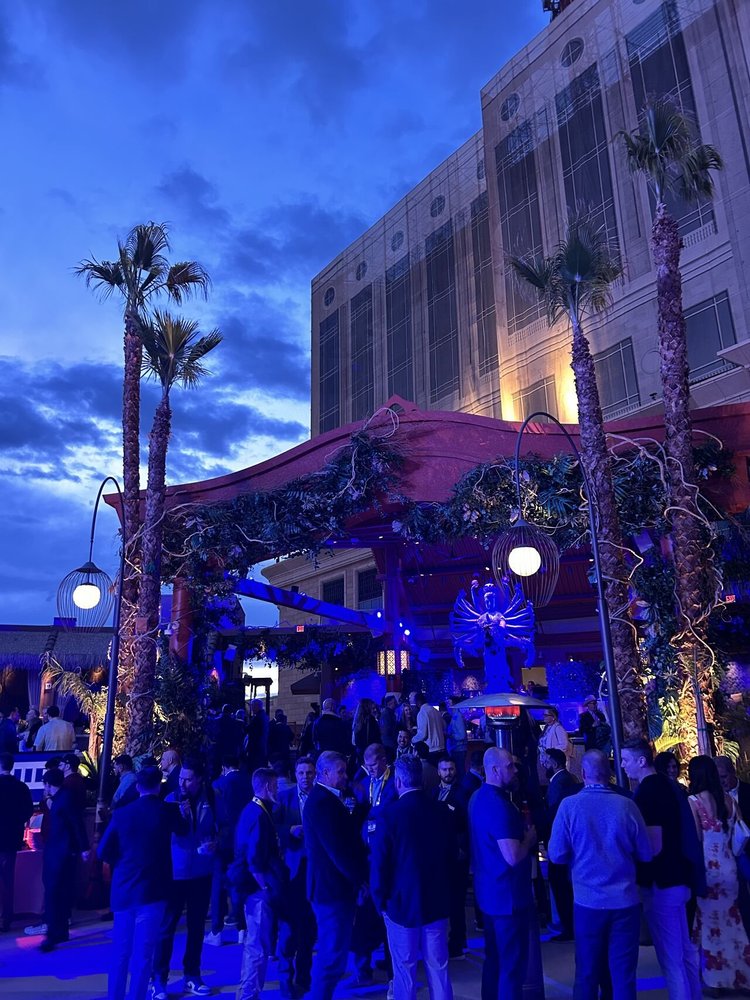
Two best large examples of money well spent for entertainment at the show? Wavelynx sponsoring the concert and HID customer appreciation event at TAO (image above).
Speaking of money well spent, anyone that reserved a meeting room right off the show floor made a great move. These have become equivalent to what we call "third spaces" for exhibitors. I have a feeling these will be at a premium starting in 2026.
Everyone is Now a Podcaster and Videographer.
And it is great as that means content is being created and stories are being told. It doesn't matter if you have 100 or 100,000 followers. What matters is that you are leveraging shows like ISC West to be omni channel and to last days and weeks after. Everyone seemed to have a selfie stick, a phone, and some mics and it made me very happy.
What stood out to me more now are the brands and companies who are not doing it. If not now, then when? What are you waiting for?
My favorite content creators before and during the show? Pelco. They've moved beyond basic iPhone and Rode mic interviews, cookie-cutter podcast booths, and meme creation. Instead, they're reinventing their legacy brand to be cool, relevant, interesting, and approachable through top-down empowerment of meaningful content. Their storytelling is excellent. Truth be told, I've now mentioned Pelco more than I ever have—or ever thought I would. Good on them.
Again, anything is good, but soon the stuff that stands out is going to have to be great. For those of you who are already doing it, what's your plan to be great? And for those of you who haven't started... again, what are you waiting for? (For more, see my note on my prediction that this being a LinkedIn show below).
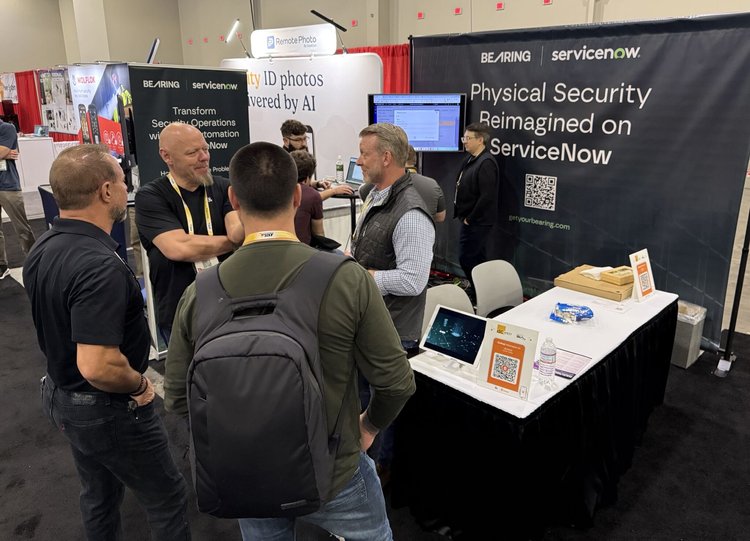
The Smallest Booth but Biggest Impact?
Bearing. I had more people tell me about what they are doing than any other booth and it was a super small booth (ok, maybe not any other booth. The video + paintball shooting deterrent booth also got a good amount of buzz but the Bearing one I think matters more).
Truthfully it had less to do with Bearing themselves and more of the fact that they built their product on the ServiceNow platform (full disclosure, my wife works at ServiceNow. Means nothing but making sure it's clear) but it showcased just about every trend we talk about and it resonated. Bearing was a sign of things to come.
I suspect you will see many more Bearing'esque booths at ISC West moving forward and heck, you will also see them at shows put on by ServiceNow, Salesforce, Okta, and other enterprise software shows. Also, expect to see many more at vertical specific shows as well. This is where the world is heading.
Issues From 2024 Fixed
It's worth highlighting the significant improvements RX made to address what was universally considered the #1 complaint from ISC West 2024 - the frustratingly long registration and badge pick up lines. Their approach involved not only doubling the size of the registration area but also implementing multiple strategic improvements to streamline the process. These enhancements included additional check-in stations, improved line management systems, print badge at home and more efficient processing methods. The results were immediately felt by attendees, as the previous year's bottleneck was effectively eliminated. Now if only we can do mobile and skip it all…one can dream.
Speaking of investment needed?
It's clear the education rooms need a serious overhaul. The space we used for our two hours of member presentations and from pictures of other ones were downright depressing—think "the 1980s called and they want their 6' table, dirty tablecloth, black-skirted screen, and antiquated projector back."
Woof. It's nearly impossible to inspire an audience when you're presenting in what resembles Wayne Newton's long-forgotten spare bedroom. This isn't just about outdated aesthetics—Vegas and the Sands decor have never been my style—but we've crossed into territory where it's no longer merely a design issue. It's an investment problem that undermines the entire educational experience.
Overall
ISC West stands as THE showcase of the security industry, operating at full stride. It has become a globally essential event that no one in the industry should miss.
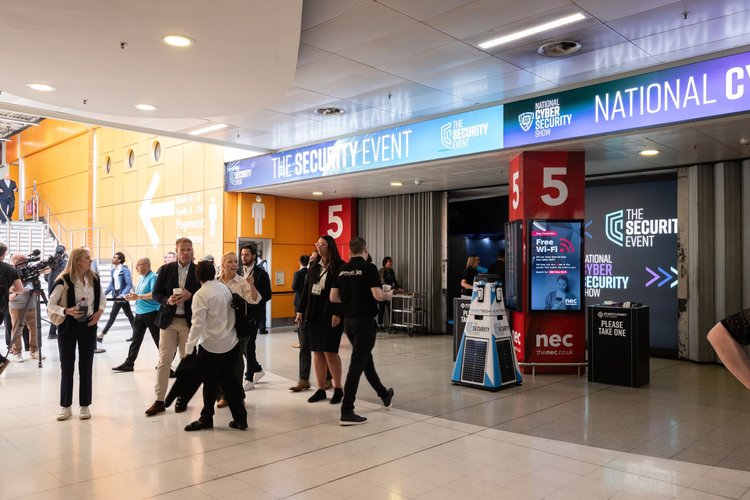
The Security Event
It finally dawned on me what makes this show special. After TSE 2024, I wrote about how it's fundamentally a culture show rather than merely a security show. This characterization resonated with some and others thought I was pandering (probably truth in both). But I'll say it again with even more conviction in 2025: TSE is a people and culture show that happens to showcase security products.
In 2023, after my first visit, I sensed something very different about the show but couldn't quite articulate it. After attending again this year and reflecting more deeply with Hilary (this being her second time as well), it's become crystal clear that TSE's distinguishing factor is its culture.
TSE prioritizes people first, then companies, and finally technology. This distinction remains elusive to those who haven't invested time at TSE (or in European business culture generally), who view all trade shows through a homogeneous lens, or who believe a trade show booth's sole purpose is showcasing products—with an expectation that attendees must walk the aisles to view said products.
Those who embrace the people-centric and cultural dimensions of the show consistently walk away feeling it's a resounding success year after year. Conversely, those fixated on product demonstrations while waiting for whale clients to enter their 10x10 booth inevitably leave frustrated and disappointed.
It's fundamentally a social show. That's why drinks are flowing at 10 am. That's why there's a DJ creating a party atmosphere as the event winds down. That's why people pause for meaningful conversations rather than rushing from booth to booth. That's why when the day ends, competitors are connecting with competitors. These social elements define TSE's unique character.
The event rewards those who invest time building genuine relationships, show up consistently, and wholeheartedly embrace its social fabric. While ROI naturally matters for any industry event, approaching TSE with a flying-visit mentality—sending your New York-based salesperson once a quarter—simply won't yield results. Similarly, if you believe purchasing a 10x10 booth filled with wall-mounted displays will automatically capture attention and interest, you're equally mistaken.
The formula is clear: Invest in the people. Invest in understanding the market. Invest in embracing the culture. Invest in being genuinely social. Only then will you reap the rewards.
The Access Control Collective will continue attending as long as the Nineteen Group will have us. Our XForum has hit its stride not just through our efforts, but because everyone involved—organizers, workers, participants, and attendees—has embraced its vision. We've recognized that meaningful conversations between people drive value, not just explanations of products and technology.
We hosted 27 presentations over the three days. We learned valuable lessons (like starting at 10:30am and ending at 3:30pm works best) but our approach fundamentally worked. Having professional audio and recording every presentation proved extremely valuable. It's also evident that what we're building has evolved into a truly global brand that people actively want to participate in.
I'm profoundly grateful to be part of this community and look forward to Birmingham in 2026. We'll host the Night of Access again downtown (special thanks to acre security, SwiftConnect, RightCrowd, and Wavelynx for sponsoring)—this time starting at 6pm, but returning to The Botanist on Tuesday. The event will remain open to everyone who wishes to attend. Why? Because that's precisely what this show embodies: people and community (and everyone seemed to have a fantastic time).
Other notes about the show:
The show faced significant challenges being scheduled right after ISC West. This timing was especially taxing for those of us—and our families—who attended both events. Many executives, leadership teams, multinational product managers, partnership representatives, and business development managers who work across regions were forced to choose between the two shows. Given North America's market importance, most opted for ISC West.
This scheduling conflict affected not just attendance numbers, but also investment levels and the ability to bring customer executives to meetings. Additionally, the timing coincided with spring half term (the UK equivalent to U.S. spring break), meaning some potential attendees were on holiday with their families. While it's virtually impossible to avoid overlapping with holidays somewhere in the world when scheduling global shows, this particular timing did impact overall turnout. Nevertheless, attendance remained solid with many key industry players present—though without the packed, buzzing atmosphere that characterized ISC West.
A distinctive feature of The Security Event is that many people attend specifically for the CPD credits and presentations. We saw strong attendance at sessions from professionals who needed these credits and discovered our offerings through the educational program guide. Long way of saying: it worked.
One of the show's defining characteristics is its commitment to uniform booth sizes, which organizers control carefully. This approach gives every exhibiting company an equal voice without allowing any single entity to dominate the floor visually. I sincerely hope this philosophy remains—it pushes companies to find truly creative ways to stand out beyond sheer booth size.
This is unmistakably an access control-focused show. While video surveillance and alarm companies maintain a presence, access control companies constitute the clear majority of exhibitors. Based on feedback from video companies at this year's event, the access control focus will likely intensify even further next year.
The show features a substantial number of distributors, both large and small, reflecting how products are traditionally marketed and serviced throughout Europe. This distribution-heavy presence raises interesting questions about how manufacturers might strategically invest in the show going forward.
How did I do? Here is a breakdown of each prediction I made prior to ISC West and TSE.
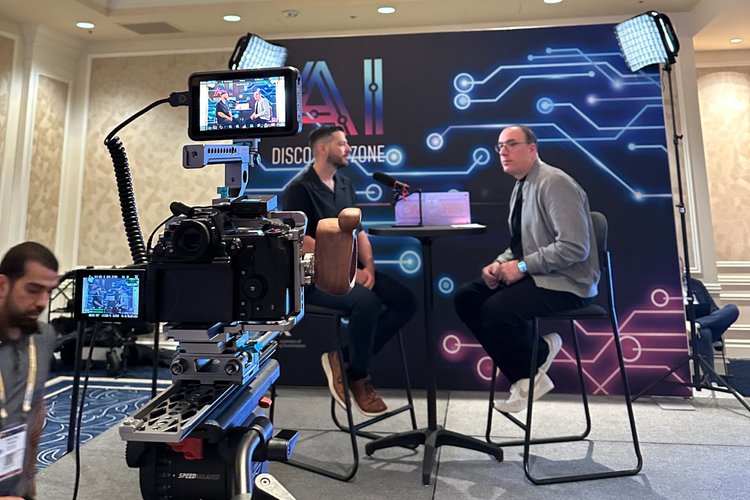
They are LinkedIn Shows Now.
In Brief 95 I said this: They are LinkedIn Shows Now. The security industry is experiencing a significant shift in how influence and relationships are built, particularly through social media platforms like LinkedIn. With companies like Pelco, HID, and Mercury leading the way with official company influencers, we're seeing online presence become more important than physical presence at trade shows. What was once just casual social media posting has evolved into a powerful business driver, reshaping how industry relationships are formed and maintained. Rather than relying solely on local meetings or annual shows, we're now building global connections year-round through digital platforms. This shift is evident in my own experience - my team's strong LinkedIn presence played a crucial role in opportunities like joining the Security Industry Association board. As we head into these shows, it's clear that those who have invested in building their online presence will have significantly more influence than in previous years.
👍: This prediction proved remarkably accurate. The transformation of trade shows into LinkedIn-centric events was evident throughout both ISC West and TSE. Companies that had invested in building their digital presence saw significantly higher engagement and more meaningful connections during the shows. The impact was particularly noticeable in how attendees interacted with known LinkedIn personalities - there was an immediate recognition and established rapport that traditional booth staffing simply couldn't match.
What's particularly interesting is how this digital-first approach has created a continuous conversation that extends well beyond the show dates. People are now leveraging their show presence to generate months of content, with many already planning their social media strategies for the next 6-8 months based on connections and content gathered at these events. This represents a fundamental shift in how the industry approaches trade shows - they're no longer just about the in-person experience, but rather serve as content creation hubs that fuel year-round digital engagement.
The success of this approach is evident in our own experience - the digital amplification of our show presence has led to increased brand awareness, stronger partnerships, and more meaningful business opportunities. We're seeing other people follow suit, recognizing that the real value of these shows now lies in their ability to generate compelling content that resonates with their digital audience long after the event ends. What about the companies though?
Geopolitical Juxtaposition
In Brief 95 I said this: Geopolitical Juxtaposition: The industry shows reflect current geopolitical dynamics, with ISC West highlighting US market dominance while The Security Event emphasizes European autonomy. European companies demonstrate this duality by emphasizing their US connections at ISC West to leverage American scale and innovation, while proudly showcasing their European identity at TSE. Both approaches are genuine and valid, though we must have thoughtful discussions about how geopolitical shifts affect our industry and work collaboratively to navigate these changes.
👍: The prediction largely materialized at ISC West, where the dominance of the North American market was unmistakable. The show floor was filled with visible symbols of American business presence - from "Made in America" signage to companies proudly displaying both their national flags alongside US flags. This patriotic display reflected the industry's recognition of US market significance and innovation leadership - and the weird times.
The European perspective at The Security Event revealed a more nuanced reality than initially predicted. While we didn't see the strong push for European autonomy we expected, what emerged instead was a sophisticated focus on regulatory compliance and standards. This manifested across multiple sectors - mobile adoption, cloud services, cybersecurity, and system upgrades all showed a clear pattern of waiting for regulatory frameworks before making major moves.
Perhaps most interesting was the European attitude toward the US market. Rather than any broad anti-American sentiment (there was anti-Trump sentiment), the concerns were more specifically focused on political uncertainties, particularly around potential Trump-related policies. The overall response was pragmatic - a "wait and see" approach rather than any dramatic positioning. This suggests our industry maintains a practical, business-focused perspective despite broader geopolitical tensions. That or they just don’t know what to do yet.
While my initial prediction about European autonomy may have been premature, the underlying observation about geopolitical influences shaping our industry proved accurate. We're seeing these forces play out in more subtle ways than expected, but they're definitely present. It's still early days in this, and we'll likely see these dynamics continue to develop in the coming years. Right now, trending negatively.
Real Concern about the Economy
In Brief 95 I said this: Real Concern about the Economy: My prediction for both shows centered on economic concerns, particularly around US tariffs and ongoing conflicts in Europe and the Middle East. I anticipated large organizations would reduce innovation spending in favor of "operational efficiencies," while M&A activity would increase as cash-rich incumbents acquire struggling independents. Despite this, I expected private investment to continue growing in key sectors like access control, virtual guarding, and AI. The prediction acknowledged that these economic discussions would vary between shows based on location, reflecting different regional perspectives and concerns.
👍: All signs point to this being right on point. The economic concerns were front and center at both shows, with distinct regional flavors. At ISC West, the tariff announcement on Wednesday created immediate waves of uncertainty throughout the show floor. You could see company leaders actively reconsidering their strategies and sending pricing increases in real-time. What was remarkable was how the industry responded - after the initial shock, there was a collective shift towards “welp we are here so lets make the most of it.” The conversations stayed at "what if" scenarios to with no concrete discussions about supply chain adjustments and pricing strategies. But they are all coming.
At TSE, the economic discussions took on a different tone. With more time having passed since the tariff announcements (crazy as “time” was only a week), companies did one of two things. Either doing nothing right now but have conversations or have already moved into strategic planning mode. The European perspective brought additional layers of complexity, particularly regarding ongoing conflicts and their impact on global trade. The most asked question I got was “Do you think this will last?”
Yet, despite these challenges, we saw strong evidence of continued investment interest, especially in key growth sectors like access control, virtual guarding, and anything AI. The M&A activity predictions are proving accurate, with numerous discussions happening behind the scenes about potential consolidations and acquisitions. Companies with strong cash positions are actively seeking opportunities, while others are exploring strategic partnerships to maintain competitiveness in an uncertain market.
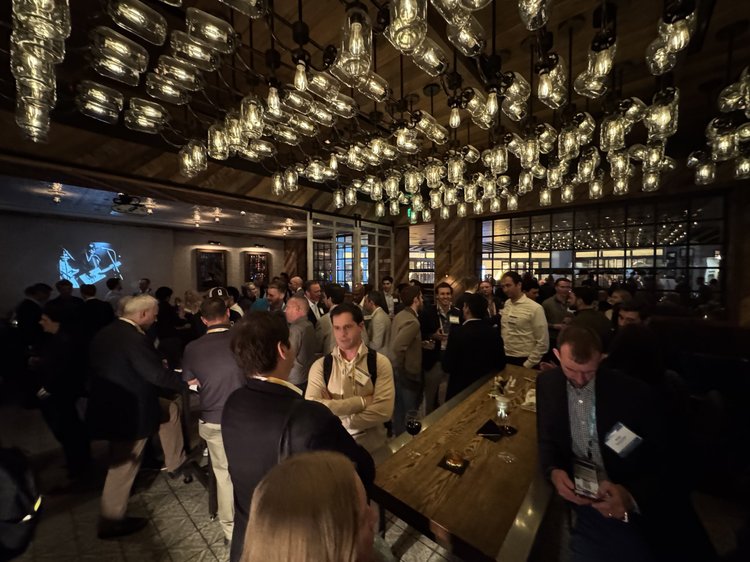
New Stakeholder Walking the Halls
In Brief 95 I said this: New Stakeholder Walking the Halls: This prediction discussed an anticipated increase in investor presence at ISC West, marking a shift in the security industry's landscape. The author expects more investors to attend than ever before, which they view as positive since it will drive increased investment into the industry. The prediction highlights how this trend will help differentiate between companies that are investable versus those that aren't, particularly noting that while the industry has historically been dominated by non-investable entities, the growth of recurring revenue models is creating more investment opportunities. The author uses the metaphor of a "growing lake" to describe how the increasing number of businesses with recurring models will attract more investment, suggesting this is just the beginning of significant financial developments in the industry.
👍: The investor presence at ISC West was remarkable and validated our prediction completely. The Houlihan Lokey happy hour event (see picture above) was a perfect example of this trend, drawing an unprecedented number of financial stakeholders, including many first-time attendees. This strong showing of investors signals a growing recognition of the security industry's potential for returns, particularly in companies with recurring revenue models. While TSE saw less investor activity with only one group present, the contrast actually reinforces our prediction about ISC West becoming a key venue for investment discussions. The disparity between the two shows highlights how the North American market is currently leading in attracting financial interest. Looking at the sheer number of investors walking the halls at ISC West, along with the quality of conversations happening around investment opportunities, this prediction proved to be right on target. 🙂 And wait for the consolidation to happen.
New Faces, New Places
In Brief 95 I said this: New Faces, New Places: This prediction discussed the idea that we would see an influx of people entering the industry—vendors, end users, integrators, specifiers, and others—due to our industry's opportunities. I suspect attendance will be way up at both shows, along with records of the number of booths and companies. The industry is steady, and where there's a steady opportunity, there's growth. And where there's growth, people follow. With recent layoffs in the US (including 10,000 cuts in Health and Human Services just this week), we'll likely see former end-users transition to integrator, consultants, and vendor roles. As our industry evolves from cottage to mainstream, I expect this workforce expansion to continue.
👎: We aren't there yet as an industry and have significant work ahead to truly attract and integrate talent from adjacent sectors. While both ISC West and TSE showed strong attendance from traditional security professionals, we're not seeing the level of cross-pollination that more mature industry events like RSA and CES consistently achieve. Having RSA and dedicated Cyber Security pavilions at our shows is a step in the right direction, but the engagement remains largely within our existing industry ecosystem rather than drawing significant participation from outside.
At TSE, despite having four concurrent shows covering safety, work tech, fire, and security across different halls, the cross-disciplinary interaction was lower than anticipated. While some attendees did explore multiple halls, the natural flow between disciplines that we'd hope to see in a truly converged industry wasn't fully realized. Similarly, ISC West, while maintaining strong core attendance, hasn't yet become the magnet for adjacent technology professionals that we'd like to see.
Looking ahead, both shows need to develop more targeted strategies to attract end users and professionals from complementary industries. This could include specialized educational tracks, networking events designed for cross-industry collaboration, and more integrated exhibition spaces that naturally encourage exploration across traditional industry boundaries. Until we achieve this, our prediction about new faces and places remains more aspiration than reality.
On That, What I Hope to See (But Probably Won't)
In Brief 95 I said this: On That, What I Hope to See (But Probably Won't): I'm particularly interested in how companies address training and certification needs as we enter this new era of physical security that merges cybersecurity and enterprise software with our traditional systems - also known as converged security. I haven't seen our vendors step up yet (we do see training offered at both shows, but not as programs like the ones I am talking about). Still, I hope manufacturers and service providers will develop new channel programs that meet current market demands. I wish they'd give these programs the same attention they give to flashy new features with blinking lights (which rarely matter or have a lasting impact). Despite all this "new" stuff, we still rely on outdated programs.
👎: We still have not figured this out, and the situation at both shows made this painfully clear. The disconnect between modern security needs and traditional training approaches was evident everywhere. At ISC West, despite having the RSA trainings available (well attended by the way) there was a lack of alternative trainings and education for the integrator and end user looking for information moving them forward. There is way too much incremental education, not enough exponential.
The National Cyber Security Show along side TSE, while present, didn't see the engagement levels you'd expect given the industry's direction toward converged security.
Most concerning is how integrator and partner programs are being handled - companies are essentially recycling 15-year-old programs with minimal updates, failing to address current market needs or technological advances. These programs aren't equipping partners with the skills needed for modern security solutions that blend physical security, cybersecurity, and enterprise software.
There is a bright spot though - some integrators are taking matters into their own hands. They're developing their own criteria and programs for manufacturers and service providers, essentially flipping the script. Instead of accepting outdated training programs, they're setting clear expectations about what they need from partnerships. This bottom-up approach might be exactly what the industry needs to finally modernize its training and certification landscape. These integrators are showing us that if vendors won't lead the change, the channel partners will.
More of that please.
Old Faces, New Places
In Brief 95 I said this: Old Faces, New Places The security industry is experiencing a fever movement of talent between companies, particularly at the executive level. Like a sports league's off-season trading period, professionals are switching organizations at an accelerated pace. This trend highlights important questions about company loyalty, the blend of traditional and innovative thinking, and corporate investment in talent development. While the competition for skilled professionals remains fierce, an interesting observation emerges: sometimes a person's departure can actually benefit their former organization more than their arrival helps their new one. This phenomenon of "addition by subtraction" has been observed in several recent cases, though it's rarely discussed openly in industry circles.
👍: We saw this trend strongly represented at both ISC West and TSE. The movement of executives between companies was particularly noticeable, with several high-profile transitions being discussed on the show floors. What's interesting is how these changes are reshaping company dynamics - some organizations are using this as an opportunity to promote internal talent, while others are bringing in fresh perspectives from outside. The "addition by subtraction" I predicted was evident in several cases, where companies seemed to find new energy and direction after certain departures. Overall, this talent movement appears to be fostering innovation and creating new opportunities for growth across the industry.
End-user Dominance
In Brief 95 I said this: End-user Dominance is evident at ISC West, while The Security Event remains primarily integrator-focused. This mirrors ISC West's earlier years, with The Security Event—like IFSEC before it—typically trailing ISC West's trends by a year or two. This year might mark a significant shift in attendance demographics, as seen plainly by more end users attending ISC West.
👍: This prediction was spot on. At ISC West, there was a noticeable increase in end-user attendance, reflecting the show's evolution into a more comprehensive industry event. The shift was particularly evident in the types of questions being asked at booths and the nature of conversations happening on the show floor - moving from technical specifications to business use cases and ROI discussions. Meanwhile, The Security Event maintained its strong integrator focus, which is perfectly aligned with the European market's current needs and structure. This difference was clearly visible in the exhibition layout, booth presentations, and even the types of networking events organized at each show.
The different attendance demographics between the two shows highlight how regional market maturity influences trade show dynamics. At ISC West, end-users are increasingly taking direct control of their security decisions, while in Europe, integrators continue to play a crucial advisory role. This pattern follows the historical precedent we've seen, where European shows typically adopt trends that first emerge at ISC West, suggesting we might see a similar shift in end-user attendance at European events in the coming years.
Note: A concern for me was the number of end users talking about slow downs and projects being canceled due to the market uncertainty.
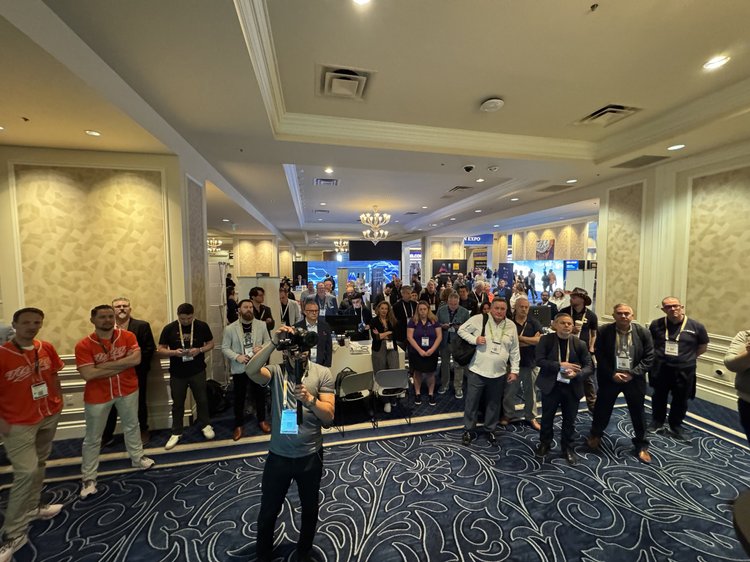
Mobile is a Sidecar to Platform and AI
In Brief 95 I said this: Mobile is a Sidecar to Platform and AI. Mobile will be everywhere—that's precisely the point. Everyone has it, and no one is differentiating their offering from others (web provisioning, although cool - eh...not really and not really a value creation story). I've been blaming Apple for how they slow-rolled things, but at this point, the blame is on us. Sure, putting a card in the phone is again...cool (I am being nice), but what can you do with it and those stories? That's epic. Let's be epic. It'll be far more interesting—and hey, you might bring home hundreds of millions of dollars along the way, too.
👍 and 👎: The mobile presence at both shows revealed a fascinating contrast in market maturity and adoption. At ISC West, mobile credentials, especially NFC Wallets, were ubiquitous, almost to the point of ubiquity. Every vendor seemed to have a mobile offering, but most were simply meeting the bare minimum of “card in phone.” The "we have mobile now!" announcements felt particularly dated, reminiscent of someone excitedly discovering a decade-old TV show.
The market clearly needs fresh innovation and meaningful differentiation beyond basic mobile credential deployment.
The story at TSE painted a different picture. Mobile adoption in Europe lags significantly behind, with NFC Wallet implementations limited primarily to large enterprises and select property managers. This slower adoption isn't necessarily due to technological limitations, but rather stems from cultural differences and, more critically, the market's pricing structure. The multiple layers of margin stacking have created artificial barriers to widespread adoption, making mobile solutions cost-prohibitive for many potential users. The industry appears locked in a standoff, particularly with Apple, over who will make the first move to break this stalemate. Based on Apple's historical approach to market dynamics, it seems unlikely they'll be the ones to compromise. This impasse could continue to impede European mobile adoption for the foreseeable future. Ultimately though this is a when not if scenario.
And on AI
In Brief 95 I said this: And on AI. The prediction anticipated a mix of genuine and superficial AI implementations at the shows, with many products claiming AI capabilities without truly delivering them. The most interesting aspect would be the quieter, behind-the-scenes AI adoption by smaller companies using it to enhance their operations and efficiency. These understated implementations, though not marketed as AI, would likely have more significant impact than the loudly advertised AI features. This prediction recognized that while some companies would use AI as a marketing buzzword, others would be genuinely leveraging it to transform their businesses in meaningful ways, reflecting a broader industry trend of practical AI adoption versus promotional AI messaging.
👍 and 👎: The AI presence at both shows revealed a significant gap between marketing hype and practical implementation. At ISC West, while the AI Discovery Zone generated great interest and the companies there showcased true innovation with AI, many vendors on the show floor seemed more focused on adding "AI" to their marketing materials than demonstrating genuine AI capabilities. Booth after booth showcased AI features, but deeper questioning often revealed superficial implementations or basic automation being rebranded as AI. While I remain optimistic about AI's transformative potential in our industry, particularly as we move toward automated notifications and processes, the current landscape shows we're still in the early stages of meaningful adoption.
The situation at TSE highlighted even more contrasts. AI discussions primarily centered around video analytics and thought leadership, with innovative companies like Hivewatch, IDCube, Envoy, and RightCrowd standing out as exceptions rather than the norm. The Worktech hall showed more practical applications focused on data analytics and workflow automation. However, in the main security hall, conversations largely revolved around regulatory compliance, particularly the EU AI Act and its regional implications, rather than actual implementation strategies. This regulatory focus, while important, seemed to overshadow discussions about practical AI applications and real-world benefits. We are in a wait and see mode with AI and the EU.
But what I'm really looking forward to is seeing who positions themselves as a "platform."
In Brief 95 I said this: But what I'm really looking forward to is seeing who positions themselves as a "platform." I love what's happening around the platform play—it's the perfect example of software eating our industry. The platform play will further separate the old from the new. Change will accelerate. New opportunities will emerge. It will spark System Integrators as the leading channel and create new economies. Overnight? No. But long term? Absolutely. Bring on the platforms!
👎: While the platform concept remains compelling, the industry isn't updating their trade show booths and making it center of their product and sales message, quite yet. I believe it has more to do with labeling than anything else. At both ISC West and TSE, many companies are still operating primarily as hardware and software providers rather than true platforms. The distinction is important - a platform creates an ecosystem where third parties can build and integrate, while most current offerings are still closed systems with limited integration capabilities. However, I remain optimistic. Behind the scenes, several companies are rebuilding their architecture and business models to support a platform approach (I see you Brivo Security Suite and HID Integration Services).Their product management teams are working on API strategies, their engineering teams are restructuring systems for extensibility, and their leadership is beginning to understand the value of creating an ecosystem rather than just a product. The messaging and marketing haven't caught up yet because these transformations take time. We're in that awkward interim period where companies know where they need to go but haven't quite figured out how to articulate it to the market. This evolution from software provider to platform player is happening - it's just happening more slowly and quietly than initially predicted.
First come the Platforms, then come the Apps.
In Brief 95 I said this: First come the Platforms, then come the Apps.As platforms emerge in the security industry, we'll see a thriving ecosystem of third-party applications built on top of them. While initial discussions focus on integration capabilities, the real innovation lies in creating profitable opportunities for developers to extend platform functionality. This approach allows companies to effectively crowdsource feature development, turning gaps in their roadmap into opportunities for external developers. The strategy has already shown promise, with both installers and end users embracing early applications. Looking ahead, this trend will democratize development in the security industry, enabling small teams and individual developers to create impactful solutions using AI and outsourced resources, similar to the success seen in Salesforce's Exchange marketplace. We'll likely see a few dominant platform providers emerge, but the real transformation will come from the diverse array of innovative applications built by independent developers.
👎: While the vision of a thriving app ecosystem remains compelling, we're still waiting for true platform players to emerge in our industry. The fundamental infrastructure for a robust developer ecosystem simply isn't there yet. However, promising signs are appearing on the horizon. Sofia by ISEO (see Luckey), showcased at TSE, stands out as a prime example of where the industry is heading. Their software suite is built specifically for third-party apps, marking a significant shift from their roots as a Milan-based lock manufacturer who had software only as a feature. Their approach shows how traditional hardware companies can successfully evolve into software platform providers.
And if they can, so can you. If this trajectory continues, ISEO may become better known for their software platform than their physical products. This transformation exemplifies what the industry needs—players embracing a platform mindset and creating opportunities for developer innovation. While we haven't reached the point I predicted, examples like Sofia, Mercury, and others suggest we're on the right path. We expect to see more developments in this space as manufacturers begin to recognize the potential of platform-based ecosystems.
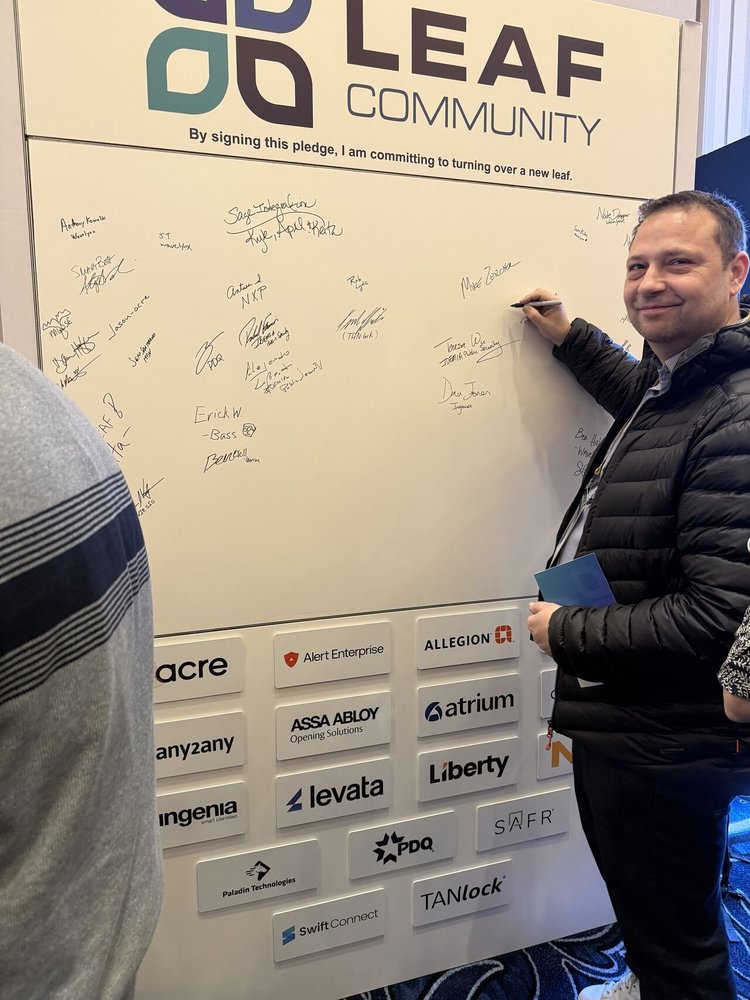
Open Products
In Brief 95 I said this: Open Products: The term "open" is expected to be widely used at both shows, though often without clear definition. While many vendors claim to be "open," true open systems should meet specific criteria: interoperability with other platforms through standard protocols and APIs, modularity for easy component management, adherence to open standards governed by independent bodies, transparency in documentation and specifications, data portability to prevent vendor lock-in, extensibility for third-party integrations, and security through openness where public scrutiny enhances system robustness. When vendors claim to be "open," they should be challenged to define exactly how they meet these essential criteria rather than simply being "more integrated" or "more open than" their competitors.
👍: We are just at the beginning of this and it is going to get louder and weirder but in the end it will ultimately get there. Now it won’t be completely be “open” as I describe above but what it will be is a new level of industry behavior and expectation. The momentum is real as a large group of customers are searching for it (note: even if companies don’t have it, they are looking for companies who give them comfort that they will have it). It’s like a habit: good habit (support the concept of open) and a bad habit (don’t support the concept of open). There are three stories
At ISC West, the above is true. Very true. The open message was not only deep in the messaging, part of many presentations and education, but a loud topic discussed in the booths and halls. What is interesting at ISC West is that change in business practices is forcing the change, not fragmentation. New service providers and manufacturers are driving a narrative that is resonating. End users are tired of being told no and selecting or threatening to select service providers and manufacturers that have a strategy to support however they define open. And as our industry takes on more attributes of enterprise software, we naturally take on the proper way it works.
At TSE, the above is true but different at TSE. The discussion in Europe seems to center around it being done with regulations. I heard this loud and clear at the XForum and as I dug into the perception it became very clear, the European market is programmed to follow and wait for rules and regulations to force adoption.
And at both ISC West and TSE, the story was about LEAF and the LEAF Community. In full disclosure we are helping them with activating LEAF but I am not only doing it because they paid us but because I believe in the reason behind it. I was one of the first to jump on it back in 2018/2019 when I was at Allegion. Now I have been very vocal that LEAF represents two things (1) the industry’s desire to work different and (2) The systematic failure of NXP and their lack of desire to properly engage with our industry. I will focus on 1 as 2 is me yelling out the window of a fast moving car. It may feel good to yell at NXP, but its hyper unproductive until our industry stands up for itself or NXP wakes up and acts like our industry matters to them. As far as LEAF, it is a representation of how value is shifting or at least where we have historically had value and it is an example of doing what is best for the customer. What I would agree was initially a “red in the face HID alternative program” has morphed and grown into an industry wide movement that includes (needs to include) HID. Again, this is about an industry progressing and a desire to meet the customer where they are at. The quicker the industry gets behind things like LEAF and LEAF like things, the quicker we will reap the benefits of a mainstream $100B market.
Biometrics
In Brief 95 I said this: Biometrics Biometric technology was predicted to generate interest at both shows through compelling demonstrations and discussions, but with limited market impact beyond a few scalable companies. While long-term adoption in North America and Europe remains promising, the real traction was expected in markets like Singapore and the Middle East. The prediction highlighted several key trends: the integration of biometrics with access control and video systems, the absorption of standalone readers into larger hardware offerings by major manufacturers, specific adoption in government facilities and stadiums, and an influx of OEM technology providers. While mobile technology has benefited biometrics, the prediction suggested that biometrics might find more success outside the security industry, particularly in sectors like payment processing, HR, and retail, where security could be a secondary benefit rather than the primary focus.
👍: Biometrics and my take on them are still the number one question I get. And Biometrics still remain “the one with potential.” One observation I am going to make a broader case for publicly is biometrics and the state of them. I heard the quote: "Negatives are salient. Positives are invisible." I think it rings true for biometrics in North America and Europe. This truth haunts the biometrics industry today. While millions seamlessly unlock their phones with their face or fingerprint without a second thought, what makes headlines? The dystopian scenarios, the rare bad actors, the political fear-mongering (especially in the US when it comes to biometrics).
From what I’ve been shown and discussions I have had, for the majority, biometrics offers unprecedented security with virtually no friction, brought to market largely by ethical companies committed to privacy and data protection. Yet public perception remains skewed by viral stories of surveillance overreach and sci-fi nightmares. No doubt there are bad actors and there always will be but for the majority, it seems perfectly ok. It feels like banning cars and airplanes because of crashes. Biometric companies are fighting an uphill battle where every smooth, secure authentication experience goes unnoticed, while a single misuse case becomes fodder for politicians eager to rally their base with easy technophobic talking points and an eager reporter to make it front page. The challenge isn't the technology—it's the narrative. When success means invisibility and only failures get attention, how do we help people see the forest of benefits beyond the few problematic trees? That’s my takeaway from spending a decent amount of time with it in both North America and Europe. What needs to be done? Biometrics companies need to come together
Access + Video
In Brief 95 I said this: Access + Video: This prediction suggested a significant shift in the security industry where access control and video surveillance will no longer exist as separate technologies. Instead, most companies will offer integrated systems that combine both capabilities, while still maintaining third-party integration options. This transformation is driven by the industry's evolution towards mainstream enterprise technology, customer demand for unified solutions, and business growth imperatives. The change will particularly impact specialized vendors, though they won't disappear entirely. The shift is motivated by several factors including the increasing difficulty in product differentiation, the trend toward comprehensive platforms, and concerns over margin stacking across multiple systems. For security decision-makers, this means adopting new procurement approaches that focus on holistic solutions rather than piecing together separate systems from multiple vendors.
👎: While I didn't see this materialize as predicted at ISC West this year, I remain confident this convergence will happen in 2026. Through numerous conversations with both access control and video companies at both shows, it's clear the industry is moving in this direction. The technology capabilities are there, and customer demand for unified solutions continues to grow. What's holding things back right now appears to be more about organizational readiness and go-to-market strategies than technical limitations. Companies are still figuring out how to properly package and sell truly integrated solutions, but the momentum is building. We're seeing early signs in product roadmaps and strategic partnerships that suggest this prediction washe industry is moving in this direction. The technology capabilities are there, and customer demand for unified solutions continues to grow. What's holding things back right now appears to be more about organizational readiness and go-to-market strategies than technical limitations.
Companies are still figuring out how to properly package and sell truly integrated solutions, but the momentum is building.
The Old on Defense
In Brief 95 I said this: The Old on Defense The industry's ongoing transformation is expected to face resistance from traditionalists who haven't embraced change or feel undervalued. While this pushback is a natural response to evolution, I predicted we'd see increasing vocal opposition to new developments from a diminishing group of industry veterans. Rather than continuing to defend these inevitable changes, I suggested shifting the burden of proof to those resisting progress to explain their opposition beyond simple historical precedent. While past experiences are valuable, they shouldn't limit our vision of future possibilities.
🤷♂️ Don’t care. Enough said above. Moving on.
One more thought:
I suspect The Security Event might become more effective even if it gets smaller. If I was advising the show leadership team I would shift from product-focused to vertical-focused. Consider the concurrent Workplace Event—we could see Critical Infrastructure, University, and Residential events running simultaneously, while The Security Event evolves into a specialized high-security industry show.
And I believe it is an opportunity for ISC West as well. We saw it work at ISC East last year, why not also at ISC West? Deeper we go in verticals, the more end customers will attend.
Truthfully, they are big shows with a lot going on and I am sure I missed a lot, What I missed?
Great news: No overlap in 2026! ISC West 2026 will take place March 23–27 at the Venetian Expo in Las Vegas, Nevada, while The Security Event will run April 28–30 at the NEC Birmingham, UK. That means the ACEB Member & FAST Breakfast will be at Bouchon Wednesday 3/25 at 8:00am and The Night of Access will be Tuesday 4/28 at 6pm at The Botanist.
Also, don't forget that later this year, ISC East 2025 will be held November 18–20 at the Javits Center in New York City, and we have numerous events planned there.
Brand New Content!
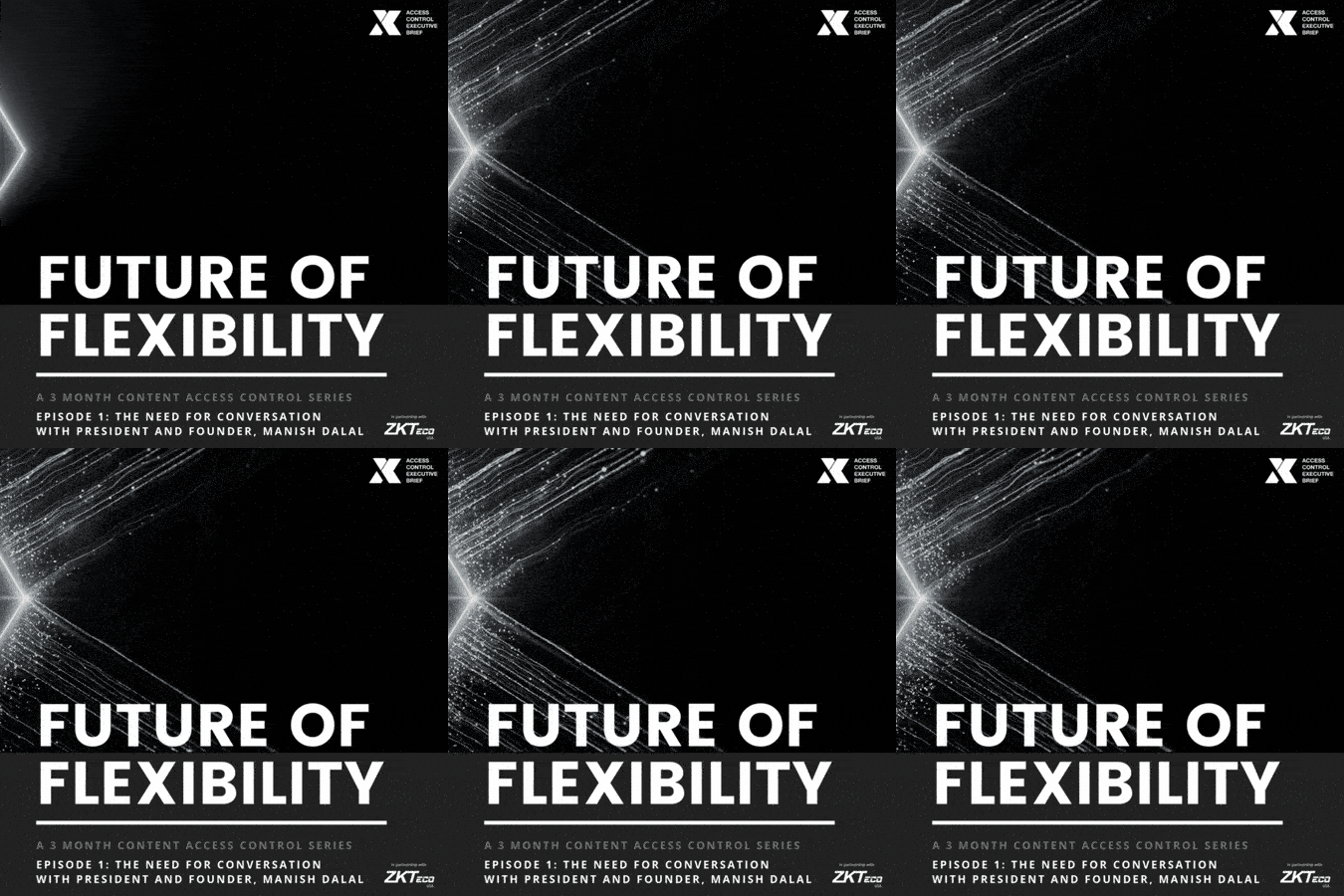
We're proud to unveil three conversations we've co-created with industry-leading partners. These discussions are intended to spark a conversation about the future of the security industry. Click on the images above to join the convos that are defining tomorrow's security landscape today.

Click on image above.

Click on image above.
Click on image above.
