Volume 17 | May 16, 2025
This Weeks Featured Articles & Media
Kevin Baldwin | The Security Industry's Hidden Challenges: Why Blind Spot 2025 Matters
In a rapidly evolving security landscape shaped by AI, system convergence, and legacy technology challenges, the Blind Spot 2025 event aims to spotlight the unseen risks and missed opportunities facing today’s professionals. Featuring expert keynotes, panel discussions, and exclusive tech insights, the event fosters collaboration and forward-thinking strategies to address the industry's most pressing blind spots.
Locksmith Security Network | Podcast: Episode 6 with Wayne Winton
Episode 6 of The Locksmith Security Network, hosted by Wayne Winton, is a much-needed conversation that highlights the rapidly evolving security industry.
acre security x The Access Control Collective | Podcast: Access The Future
With episodes 1 and 2 of Access the Future out, what is next to come from this collaboration?
The Access Control Collective | Going Slow Is Not a Feature, It Is a Bug
Is the industry's commitment to caution actually keeping us from progress?
Find them all below!
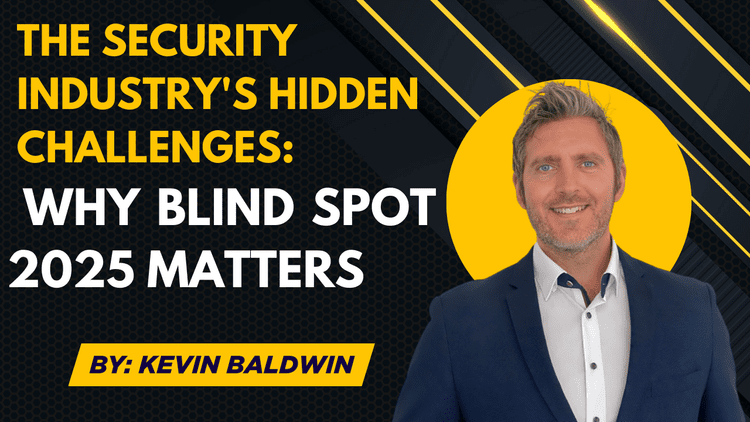
The Security Industry's Hidden Challenges: Why Blind Spot 2025 Matters
In an era of rapid technological evolution, the security industry faces unprecedented challenges that often lurk just beyond our field of vision. As AI transforms surveillance capabilities, cyber threats grow increasingly sophisticated, and system convergence becomes necessary rather than optional, security professionals find themselves navigating a landscape filled with unseen risks and missed opportunities.
The AI Revolution: Promise and Peril
The security industry is experiencing a fundamental shift as artificial intelligence becomes deeply integrated into video surveillance systems. The global AI in video surveillance market, valued at $3.90 billion in 2024, is projected to grow at an impressive CAGR of 21.3%, reaching $12.46 billion by 2030. This explosive growth is reshaping how organizations approach security.
While AI-powered analytics offer unprecedented capabilities in threat detection and operational insights, they also introduce new vulnerabilities. AI algorithms used in video surveillance systems are susceptible to biases, both in their development and deployment. These biases can lead to inaccurate or discriminatory outcomes, such as misidentifying individuals or misclassifying activities. Without proper oversight and testing, these systems might create dangerous blind spots rather than eliminate them.
The Convergence Challenge
Perhaps the most significant shift in security thinking revolves around convergence. Physical and cybersecurity convergence will likely continue to be a major video surveillance trend in 2025 and beyond, especially for organizations adopting IP security devices. Remote-accessible devices like internet protocol cameras require both physical and cybersecurity protections to work safely and effectively.
Many organizations still operate with siloed approaches, maintaining separate teams for physical security, cybersecurity, and operations. This fragmentation creates dangerous gaps where threats can proliferate unchecked. Organizations are facing diverse and sophisticated threats. Centralizing various physical and network security technologies into a single, integrated platform enhances situational awareness, operational efficiency, and response times.
The Legacy System Dilemma
As new technologies emerge, organizations face difficult decisions about upgrading legacy systems. Despite the fact that the cloud has been around for close to 20 years, adoption of this technology for video surveillance is still limited. Many businesses cite concerns about the bandwidth limits and security of the cloud as the main reasons why they resist implementing this technology into their organization.
These hesitations often mask a deeper issue: the challenge of bridging existing technology with innovative solutions. Many businesses with legacy video systems struggle to bridge that gap between existing technology and new solutions, creating unique needs from organizations across industries for their video surveillance providers. This technical debt accumulates, creating increasingly vulnerable blind spots that savvy attackers can exploit.
The Human Element
Amidst this technological transformation, the importance of the human element remains paramount. In 2025, the video surveillance industry is placing a significant emphasis on employee training and awareness as a cornerstone of effective security strategies. Employees are the first line of defense in recognizing potential threats and ensuring surveillance systems are utilized to their full potential.
Without properly trained personnel who understand emerging threats and can leverage advanced systems effectively, even the most sophisticated security technology becomes ineffective.
Bridging the Gap: Blind Spot 2025
It's precisely these hidden challenges that make events like Blind Spot 2025 essential for forward-thinking security professionals. As the industry navigates this complex landscape, bringing together experts to identify unseen threats and share innovative approaches becomes invaluable.
Event Details: Blind Spot 2025
Date: June 26, 2025
Location: Wavestore North American Headquarters, Ottawa, Canada
Designed for consultants, integrators, and end-users, Blind Spot aims to spotlight the unseen forces shaping the future of security - from AI blind spots and evolving threats to missed opportunities in operational insight.
Featured Speakers:
-
Raf Souccar, Former Deputy Commissioner of the RCMP - Opening Keynote - Privacy vs. Security: Striking the Right Balance. This keynote will explore the ever-relevant tension between public safety and personal privacy in modern security practices.
-
Thomas Comerform, Program Security Manager at the Port Authority of New York and New Jersey dives into Post-9/11 & Evolution of Building Security sharing hard-won insights from past crises and how they’ve reshaped security strategies.
-
Panel featuring Jeremy Fromm (Mercury) and Phil Coppola, PSP (HID Global). They will be discussing the topic of Physical Access Control: Principles, Pitfalls & Best Practices, giving the audience a walk through of what makes or breaks a physical access control strategy in today’s threat landscape.
"Blind Spot is about confronting what's not yet visible - but already shaping the future," says Sam Shalaby, CEO of Wavestore. "The security industry is evolving rapidly, and the greatest risks and opportunities lie in what we haven't seen - or haven't acted on."
Attendees will gain exclusive insight into Wavestore's latest product enhancements, including health monitoring tools, AI-powered analytics, and real-time operational insights. The event is designed to foster practical conversations, challenge industry norms, and inspire new ways of thinking about security's evolving role. Attendees with shared objectives - understanding blind spots - can network and spark conversations and sow seeds for solutions.
Bonus: Attendees traveling from outside Ottawa can claim a complimentary hotel stay.
Registration is now open at www.wavestore.com/blindspot
LOCKSMITH SECURITY NETWORK - EPISODE 6
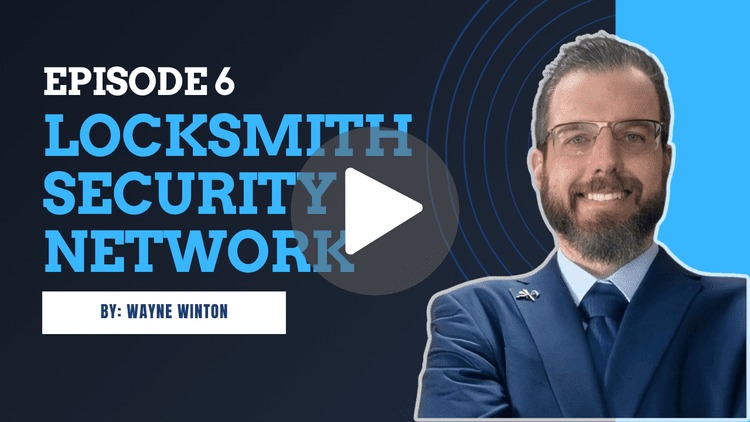
In this engaging episode, Wayne Winton sits down with security industry expert Lee Odess for a candid and insightful conversation about the evolving landscape of the security and locksmith profession. Together, they explore the challenges and opportunities facing the industry today, shedding light on how long-standing locksmith associations and professionals are at a pivotal turning point. With technology advancing at an unprecedented pace and customer expectations shifting just as quickly, the message is clear: adapt and innovate, or risk being left behind.
The discussion covers a wide range of timely topics — from the growing dominance of electronic access control systems to the impact of digital connectivity and the critical need for greater industry collaboration. Lee offers valuable insights into how embracing change and staying informed can position professionals for long-term success in a rapidly changing market.
Whether you're a seasoned locksmith with years of experience, a newcomer eager to learn the ropes, or a supplier looking to stay relevant, this episode delivers essential knowledge and thought leadership. It's a must-watch for anyone who wants to stay ahead of the curve and play a proactive role in shaping the future of the security industry.
Click here to watch the episode.
ARE YOU READY TO ACCESS THE FUTURE?

Access the Future is a compelling podcast collaboration between acre security and The Access Control Executive Brief, designed to provide a deep dive into the rapidly evolving world of access control. This insightful series brings together industry leaders, innovators, and experts to discuss the trends, technologies, and challenges shaping the future of physical security.
More than just a podcast, Access the Future serves as an ongoing platform for meaningful dialogue—keeping the conversation alive and the industry progressing. Whether you're a seasoned professional or new to the field, this series offers valuable perspectives to help you stay informed, connected, and ahead of the curve.
With previous episodes featuring Kumar Sokka and Justin Wilmas, who can we expect next to continue the conversation?
Steve Shine, will be featured on the next podcast, so be sure to tune in to hear all of his insights on the ever changing and evolving industry.
Going Slow Is Not a Feature, It Is a Bug
The traditional mindset in the physical security industry treats caution and slow adoption as virtues. “We don’t move fast—it’s just how things are done,” is a phrase heard all too often from both vendors and end users. For decades, this approach was seen as responsible—after all, in an industry built on trust and stability, rushing into new tools or processes could introduce risk. But that thinking is no longer serving us. In today’s landscape, where threats evolve in real-time and customer expectations are shaped by fast-moving industries like tech and logistics, slowness has become a liability. Going slow isn’t a feature of a mature industry—it’s a bug that limits progress, innovation, and competitiveness. And let’s be honest: the hesitation to adopt new tools isn’t usually about the tools themselves—it’s about comfort zones, legacy thinking, and a culture that values control over curiosity. The result? We get stuck optimizing yesterday’s systems for today’s challenges.
That’s why we built The Access Control Executive Brief—to challenge this mentality and create a space for leaders who see speed as a strategic advantage. This isn’t a technical problem. It’s a mindset problem. The companies that will shape the future of physical security are the ones willing to test, adapt, and move with urgency. The Brief is designed to spotlight these forward-thinking people and companies, share their stories, and build a community that values acceleration over hesitation. Because in today’s environment, speed isn’t a luxury—it’s a requirement.