Volume 22 | June 20, 2025
This Weeks Featured Articles & Media
Mike Niola | Future-Proofing Security in the Age of AI: Where Architecture, Technology, & Humanistic Design Meet
This piece calls for a fundamental shift in how the security industry approaches design—urging security professionals to stop being siloed specifiers and instead embrace roles as strategic, human-centered collaborators. With AI transforming the built environment, now is the time to integrate security early, align with architectural intent, and approach design with empathy, creativity, and a future-proof mindset.
acre x The Access Control Collective | Access the Future: The Talent Shift Is Here
In episode three of Access the Future, Lee Odess and Steve Shine of acre security dive into the critical talent shift in the security industry, highlighting how transformation requires visionary leadership, strong culture, and purpose-driven teams to power the platforms of the future.
Gallagher x The Access Control Collective | Security as a Strategic Enabler: Doing More Starts Here
In this episode, Lee Odess and Gallagher CEO Kahl Betham discuss how security is evolving into a strategic business enabler—driving efficiency, digital transformation, and even revenue. They explore real-world examples where access control adds value far beyond safety, urging leaders to think bigger and bolder.
ZKTeco USA x The Access Control Collective | The Future of Flexibility: A Must-Listen Finale
In the final episode of The Future of Flexibility podcast series, Lee Odess and Esteban Pastor of ZKTeco USA explore the evolving landscape of access control, diving into Multi-Tech readers, biometrics, and the strategic mindset needed to stay ahead in a rapidly changing industry.
Veris | The New Era of Physical Workplaces
Written by Aastha Sharma from Veris, and co-written by Lee Odess, this report dives into the $100 billion workplace transformation boom. Find the original LinkedIn post below.
The Access Control Collective | The Quarterly Sentiment Report
Get out of the guesswork—The Quarterly Sentiment Report delivers real industry insights, straight from the decision-makers shaping access control.
The Access Control Collective | The ACS Recap
Every week, we will highlight insights, observations, and speakers from ACS 2025.
The Access Control Collective | PhySecJobs.com
Below you will find all of the latest jobs in the physical security industry.
Find them all below!
This is a deeper dive based on a great discussion I had with Tino Urbina on episode 19 of the Executive Checkpoint: A Security Industry Podcast; which was certainly a fun experience. Click here for the original post and join the conversation in the comments.
We all know that security is often an afterthought. But it's also underestimated. And that’s our fault. We waited for an invite when we should’ve arrived to the table as leaders. Now, with AI reshaping how buildings operate, we've been given another chance. Let's not waste it. Security is having a main character moment. The technology systems underscoring security functions can now provide added value outside of security, which is giving it more visibility. Let's make use of this attention.
We don’t just need new tools, we need a new mindset. One that sees security as part of a building’s identity, not just its insurance policy.
But first, a comment about the security industry:
On the theme of future-proofing security, before we dove into technical talk on the podcast, I had to say something: while we’re out here future-proofing security designs, let’s not forget our own industry could use a little future-proofing too. Truth is, we’re not exactly winning popularity contests with young professionals, or even making it onto their radar. We need fresh talent, new ideas, and more consistent and diverse voices at the design table.
As technology continues to evolve rapidly, it’s essential that we evolve with it, not just in tools, but in culture. That’s why I’m encouraged to see leaders like Tino Urbina and Lee Odess embracing new media like podcasts, YouTube, and short form video (ex: TikTok), even if it makes us feel a little old just saying those words. This is the kind of outreach we need. If we want security to be more than just “the people who yell about cameras and card readers,” we need to show off the strategy, the collaboration, and the impact behind what we do. And yes, maybe tell a few war stories along the way. So, thank you to all of you that are leading the way on this!
AI is making the human side of security more important than ever
Let’s face it — security design used to be simpler. You’d show up, recommend some cameras, maybe add a few card readers, and everyone nodded like you just downloaded the secrets of the universe. Those days are long gone, which is a great thing, but the role of the Security Consultant also needs to evolve.
As the built environment becomes more complex and connected, it's no longer enough to simply check boxes on camera coverage or access control integrations. Today’s security professionals must adopt a more holistic, forward-thinking approach, one that considers architecture, infrastructure, and (human) operations as equal parts of the security equation. Security isn’t a checklist anymore, it’s strategy. It’s storytelling. It shapes how buildings look, feel, and operate... and the way they operate is fundamentally changing in the age of AI.
This concept was at the center of my recent appearance on the Executive Checkpoint podcast, where we discussed how to future-proof security systems by aligning design strategies with architectural intent and knowing how to broach early conversations with stakeholders that have nothing to do with security.
My five strategies to future-proof security design during this technological revolution:
-
Embrace architecture as part of what infuses humanity into the built environment and make that part of your decision-making
-
Become hyperaware of what makes each environment (hospital, university, data center, etc.) unique, so you are equipped with the context to really fine-tune your solutions
-
Stop. Designing. in. Silos(!) and start forcing collaboration where necessary. Start early and educate other designers on the level of collaboration expected of them. We will not have truly integrated systems unless we have truly integrated design.
-
Fully Embrace AI, because it is fundamentally changing the way we do all things, not just security. As AI takes over the technical grunt work, our human insight—understanding emotion, intention, and experience—becomes the competitive advantage.
-
Take an infrastructure approach (duh) but that is now more than IT racks, cables, and bandwidth. It’s about choosing platforms that integrate seamlessly, not just within security, but across all business systems. Infrastructure includes prioritizing open standards, interoperability, and decisions that future-proof the entire business ecosystem.
Now, if you take a step back we'll see that every recommendation functions as part of a broader framework, making security more of a strategy than anything else. From this vantage point security has a shot at being a main character in the story of the built environment—if we show up with purpose and perspective.
1. Embracing Architecture as a Form of Human Expression
I say this often, because I truly believe it, but security consultants must learn to appreciate architecture, not as an obstacle, but as a creative framework. Too often security systems are bolted onto buildings as an afterthought, resulting in cluttered devices, inefficient placement, and systems that clash with the aesthetic and flow of the space.
But here’s the thing, this skill isn’t just about being a better teammate on design calls. It’s about future-proofing ourselves. In a world where AI is rapidly evolving to generate first-draft designs, automate technical tasks, and even suggest layouts and device placements, what will truly differentiate a security consultant isn’t how fast they can draft a spec, but how well they understand the human side of design.
Appreciating architecture is part of that. When we understand the intent behind space, light, flow, and experience, we can design security into those elements, not on top of them. That creates a better outcome and positions us as collaborators, not compliance officers. Architects can start to see us not as the “people who put ugly boxes on my walls,” but as partners in shaping a building’s function and feel.
As more of the technical heavy lifting gets handed off to AI, it’s our humanity - our judgment, empathy, spatial awareness, and appreciation for design - that will grow in value. The security consultant of the future won’t just be a systems expert. They’ll be part strategist, part designer, and part storyteller. Appreciating architecture isn’t just about aesthetics. It’s about anchoring security in the experience of the space and that’s something no algorithm can replicate.
2. Being Hyperaware of What Makes the Environment Unique
Technology has become so sophisticated that “off the shelf customization” is a reality. So now, great consultants REALLY know the environments they’re working in, so they can identify the customizations each design requires day 1. It’s almost like the basic technical portions matter less (especially if AI is going to handle it for you).
Each market, whether healthcare, higher education, or mission critical, has its own operational rhythms, user profiles, and threat models. Furthermore, each client will have their own unique drivers that you’ll need to uncover as well.
In higher education, for instance, the OneCard philosophy is often a driving force behind identity, access, and integration requirements. In healthcare, the most critical security challenges may happen inside the patient room, long after an intruder has passed through the facility’s perimeter. In data centers, speed to market is paramount; delays caused by inflexible security installations can cost millions.
The best way to truly understand a market? Hire from it. Bring in practitioners from the client’s world—facilities directors, IT managers, or clinical staff. They know the pain points firsthand and can guide meaningful, lasting design strategies.
3. Stop Designing in Silos and Expecting Integration to Happen
The age of siloed systems is over. It’s been over, but you wouldn’t know it by looking at many of the systems being installed today. Access control, building management, patient entertainment, visitor management (and on and on) can no longer operate as standalone tools. Integration is the future, not just within security, but across the entire building technology ecosystem: Security, HVAC, lighting, AV, and beyond.
But true integration only happens when design teams operate as a unified force, not a collection of consultants passing around PDFs and calling it collaboration. We have to break past the structural and cultural habits that keep us fragmented. The status quo keeps everyone in their own lanes: MEP engineers and technology designers talk only about heat and power loads, not function. Manufacturers design for their traditional buyers, not for broader ecosystems. The spec divisions themselves (25, 26, 27, 28) reinforce separation rather than collaboration. Even the language we use reinforces silos. If we want integrated buildings, we need integrated conversations—early, often, and across disciplines.
True integration doesn’t start with technology systems, it starts with our mindset as designers and project managers. While the technology is ready, the typical design workflow isn’t. Technology consultants are well positioned to lead the charge by reshaping how clients and design teams think about their role, the workflows, and collaboration. We have to challenge the status quo, bridge gaps between design disciplines, and orchestrate conversations across stakeholders that rarely happen on their own. Because real integration isn’t just technical—it’s organizational and it’s our job to make it happen.
4. Fully Embracing AI Because it's Reshaping Everything
AI isn’t just transforming security tech, it’s redefining how buildings are designed, operated, and experienced. It's also changing how we interact with technology in our personal lives, gradually affecting our expectations of technology in all aspects of our lives. As AI changes workflows, automates decision-making, and reshapes business operations, the spaces we design for today may not be what’s needed tomorrow. Design (form) follows function, and function is about to look very different.
Consultants can’t afford to view AI as a niche trend. It’s not just about smarter analytics, faster system layouts, or agents assisting with real-time threat analysis. AI will take over much of the technical heavy lifting, from drafting specs to optimizing system performance. Our value won’t come from technical execution alone, it will come from insight, empathy, and foresight, and we'll need to use those traits to help clients cut through the hype and pursue real, use-case driven adoption. To help them navigate AI's impact with clarity and purpose.
To stay relevant, consultants must lean into their humanity: understanding people, anticipating change, and shaping systems that serve evolving needs. That means studying how AI is impacting industries beyond security—because that's where the ripple effects will show up in the built environment—and positioning yourself as a design partner alongside Architects to figure out what this means on paper.
5. Take an Infrastructure Approach: Build the Foundation
Many clients don’t have the budget or capacity to implement every security recommendation immediately. That’s why future-proofing security means laying the groundwork now, even if full deployment is years away.
Think of infrastructure in two parts: technical and organizational. Technically, build the network pathways, power sources, and physical room for future devices. Organizationally, help clients begin staffing security appropriately, creating internal champions, and writing policies that will support future systems.
Starting with a blank slate isn’t a bad thing—it’s an opportunity to introduce clients to the right fundamentals. But even with legacy systems, incremental infrastructure development can lead to powerful transformation.
Having the "Broccoli" Conversation
Here’s a truth some may not want to hear: security is rarely the driver of large or innovative construction projects. It’s often seen as a downstream detail, added once the "real" design decisions have already been made. Tino Urbina perfectly captured this dynamic when he said security consultants are expected to have the "broccoli" conversation while architects and owners are focused on eating their cake.
The perception is that security brings constraints when everyone else wants to talk about finishes, features, and innovation. Security is seen as what limits creativity, not what enables it. But that perception is outdated. When done right, security can shape user experience, improve operational flow, and reduce long-term costs. The key is getting to the table early—before the cake is baked—so security becomes part of the recipe, not the side dish no one asked for.
That means we need to advocate intelligently. Not by shouting “security” in a vacuum, but by connecting the dots to broader goals: efficiency, operations, and the user experience. Today, technology systems are often the first point of interaction between humans and the built environment—through access control, wayfinding, visitor management systems, and more. This gives us the opportunity to deliver value far beyond safety.
Finnish architect Juhani Pallasmaa once said, “The door handle is the handshake of the building.” These days, that handshake is often mediated by a digital system. How users access and move through a facility is a security concern—but it’s also a design experience and we must treat it as both.
The best buildings balance nutrition and indulgence—broccoli and cake. Security, when baked in early, helps achieve exactly that.
The Future Is Collaborative
The future of security is not about better cameras or tighter protocols—it’s about better partnerships. Between security professionals and architects. Between designers and operators. Between technology and strategy. If we want to future-proof security, we must evolve our mindset from system specifiers to strategic advisors. From gadget experts to integrated thinkers. So let’s do more than just talk about the future—let’s design it. Collaboratively, strategically, and unapologetically human. This industry doesn’t need more specs. It needs more visionaries that stop checking boxes and start shaping the future.
If you’re a designer, owner, technologist, or just someone who believes buildings should serve people better—let’s talk. Security deserves a seat at the table, and I’m here to help pull up a chair.

Access the Future: The Talent Shift Is Here
In episode three of Access the Future, Lee Odess sits down with Steve Shine, Chairman of acre security, to explore one of the most pressing topics shaping our industry: talent. From Steve’s journey across ERP, data, and video—each marked by disruption—he shares how transformation demands a new kind of leadership, team culture, and purpose-driven clarity. If security is becoming a platform, people are the platform’s engine.
Discover how to hire, inspire, and evolve your teams to meet the future head-on.
Click the image above to watch or listen to this important conversation.
Security as a Strategic Enabler: Doing More Starts Here
In this compelling episode of The Access Control Executive Brief, Lee Odess sits down with Gallagher CEO Kahl Betham to explore how security transcends traditional roles to become a true business enabler. From automating compliance in mining to integrating access data for employee wellness and ERP optimization, they unpack what it means to unlock value beyond safety—toward operational efficiency, digital transformation, and even revenue creation. With decades of leadership and vision, Kahl challenges us to imagine boldly.
Click the image above to hear how access control is becoming essential to enterprise strategy. Let's go do more.
The Future of Flexibility: A Must-Listen Finale
Welcome to the final episode of The Future of Flexibility—a three-part podcast series exploring how access control is evolving in real time. In this series Lee Odess guides you through a journey of trends, challenges, and game-changing innovations. In this conclusion, Lee sits down with Esteban Pastor of ZKTeco USA to unpack Multi-Tech readers, biometrics, and how strategic thinking fuels future-ready solutions. They dig into practical frameworks, real-world use cases, and the mindset needed to adapt—or be left behind.
Click the image above to listen to the full conversation. Let’s shape the future, together.
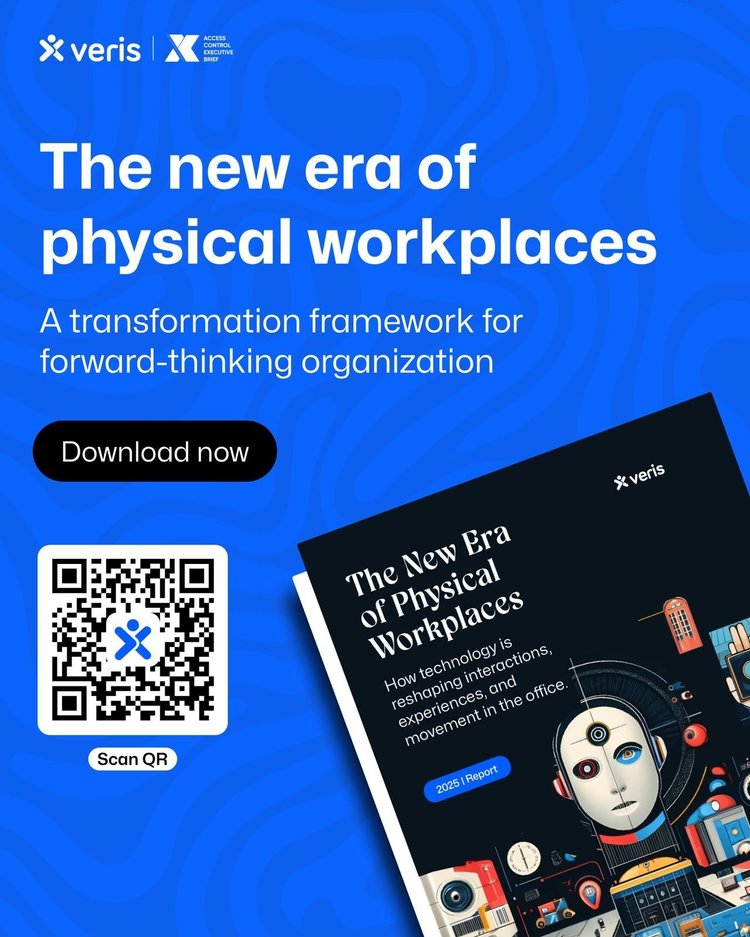
Original post by Aastha Sharma
After 6 months of deep research across 21 countries, analyzing 100M+ workplace interactions, and countless conversations with industry visionaries, I'm thrilled to announce
"𝐓𝐡𝐞 𝐍𝐞𝐰 𝐄𝐫𝐚 𝐨𝐟 𝐏𝐡𝐲𝐬𝐢𝐜𝐚𝐥 𝐖𝐨𝐫𝐤𝐩𝐥𝐚𝐜𝐞𝐬" 𝐢𝐬 𝐋𝐈𝐕𝐄 📖
This report is a manifesto for the $100 𝐛𝐢𝐥𝐥𝐢𝐨𝐧 𝐰𝐨𝐫𝐤𝐩𝐥𝐚𝐜𝐞 𝐭𝐫𝐚𝐧𝐬𝐟𝐨𝐫𝐦𝐚𝐭𝐢𝐨𝐧 𝐛𝐨𝐨𝐦 happening right now.
𝐖𝐡𝐚𝐭'𝐬 𝐢𝐧𝐬𝐢𝐝𝐞 𝐭𝐡𝐚𝐭 𝐰𝐢𝐥𝐥 𝐛𝐥𝐨𝐰 𝐲𝐨𝐮𝐫 𝐦𝐢𝐧𝐝->
🏢 𝐓𝐡𝐞 𝐓𝐡𝐫𝐞𝐞 𝐏𝐢𝐥𝐥𝐚𝐫𝐬 𝐑𝐞𝐯𝐨𝐥𝐮𝐭𝐢𝐨𝐧: How Infrastructure + People Journeys + Technology create workplace magic (spoiler: most companies are doing this backwards)
1️⃣ 𝐓𝐡𝐞 45% 𝐏𝐫𝐨𝐛𝐥𝐞𝐦: Nearly half of office space sits empty daily. We show you how to flip this into competitive advantage.
2️⃣ 𝐁𝐞𝐲𝐨𝐧𝐝 𝐒𝐦𝐚𝐫𝐭 𝐁𝐮𝐢𝐥𝐝𝐢𝐧𝐠𝐬: Welcome to self-organizing workspaces that predict your needs before you know them yourself
3️⃣ 𝐓𝐡𝐞 𝐀𝐜𝐜𝐞𝐬𝐬 𝐂𝐨𝐧𝐭𝐫𝐨𝐥 𝐑𝐞𝐧𝐚𝐢𝐬𝐬𝐚𝐧𝐜𝐞: From physical keys to digital wallets - the authentication game being rewritten in security playbooks
4️⃣ 5 '𝐈' 𝐅𝐫𝐚𝐦𝐞𝐰𝐨𝐫𝐤: Infrastructure, Identity, Information, Intelligence, Interactions - the blueprint every workplace leader needs
𝐓𝐡𝐞 𝐜𝐨𝐧𝐭𝐫𝐢𝐛𝐮𝐭𝐨𝐫𝐬 𝐰𝐡𝐨 𝐬𝐡𝐚𝐩𝐞𝐝 𝐭𝐡𝐢𝐬 𝐦𝐚𝐬𝐭𝐞𝐫𝐩𝐢𝐞𝐜𝐞:
Lee Odess - My brilliant co-author and CEO of The Access Control Collective. Lee is single-handedly accelerating the evolution of how we move through physical spaces - commercial, residential, public. His insights on access control as an experience (not barriers) fundamentally shifted my thinking.
The Veris Dream Team: Utkarsh Jain & Vaibhav Jain - my co-founders who turn impossible workplace visions into reality
𝐈𝐧𝐝𝐮𝐬𝐭𝐫𝐲 𝐓𝐢𝐭𝐚𝐧𝐬 𝐰𝐡𝐨 𝐨𝐩𝐞𝐧𝐞𝐝 𝐭𝐡𝐞𝐢𝐫 𝐭𝐡𝐨𝐮𝐠𝐡𝐭𝐬:
✨ Akshay Lakhanpal (Space Matrix) - design as the ultimate business strategy
✨ Ranjan Roy (Genpact) - data & AI strategist transforming workplace intelligence into unstoppable competitive advantage
✨ Sanjit Bardhan (HID) - mobile-first access that feels like magic
✨ Gaurav Bajetha (Urban Company) - hybrid work models that actually work
✨ Naveen Juneja (Deloitte India) - master architect behind space engineering at scale
✨ Amit Lakhotia (Park+) - flipping how we think about parking ecosystems
✨ Ajay Sareen (Bosch Video Systems) - edge AI making buildings prophetic
𝐖𝐡𝐲 𝐭𝐡𝐢𝐬 𝐫𝐞𝐩𝐨𝐫𝐭 𝐰𝐢𝐥𝐥 𝐜𝐡𝐚𝐧𝐠𝐞 𝐡𝐨𝐰 𝐲𝐨𝐮 𝐭𝐡𝐢𝐧𝐤 𝐚𝐛𝐨𝐮𝐭 𝐰𝐨𝐫𝐤𝐩𝐥𝐚𝐜𝐞𝐬:
We're talking about workspaces that welcome you by name, parking that finds you before you find it, meetings rooms that book themselves, and buildings that literally learn your preferences.
Sharing an abridged version in my upcoming #WorkTheTalk Newsletter - because these insights deserve maximum reach.
Your move: 𝑫𝒐𝒘𝒏𝒍𝒐𝒂𝒅 𝒊𝒕 | 𝑺𝒉𝒂𝒓𝒆 𝒊𝒕 | 𝑪𝒉𝒂𝒍𝒍𝒆𝒏𝒈𝒆 𝒊𝒕 | 𝑸𝒖𝒆𝒔𝒕𝒊𝒐𝒏 𝒊𝒕 | 𝑰𝒎𝒑𝒍𝒆𝒎𝒆𝒏𝒕 𝒊𝒕
Click the image above to download this report.
Introducing the 1st Access Control Quarterly Sentiment Report
Every quarter, Lee Odess's hears the same question from executives around the world:
“How’s everyone else feeling out there?”
Up until now, the answers have been educated guesses—based on gut instinct, scattered conversations, or a little hopeful fortune-telling. But in a dynamic industry like physical access control, relying on hunches just isn’t enough.
That’s why the Access Control Executive Brief has created something entirely new Quarterly Sentiment Barometer and exclusively for members: a Quarterly Sentiment Report.
This isn’t just another data dump or generic industry roundup. It’s a first-of-its-kind, purpose-built pulse check designed by industry leaders for industry leaders. It offers clarity, context, and a collective snapshot of how decision-makers in our space are actually feeling—and acting—each quarter.
Want the full picture?
Visit the Quarterly Sentiment Barometer website now to explore the concept—and if you're ready for the full breakdown, become a member to access the first qater in-depth report brought to you in partnership with ELATEC Group.
THE ACS RECAP
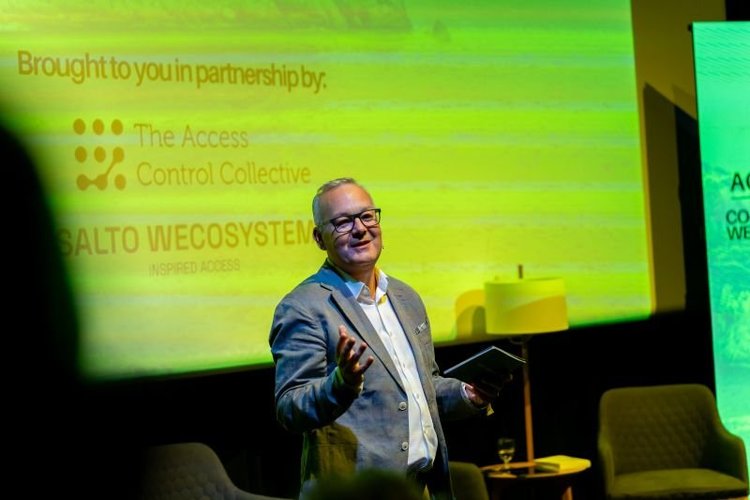
As Marc Gomez, CEO of SALTO WECOSYSTEM said when kicking off ACS 2025:
"𝑻𝒉𝒊𝒔 𝒊𝒔 𝑻𝑯𝑬 𝒎𝒐𝒎𝒆𝒏𝒕 𝒇𝒐𝒓 𝒂𝒄𝒄𝒆𝒔𝒔 𝒄𝒐𝒏𝒕𝒓𝒐𝒍."
The shift is real. We’re moving from product-first thinking to experience-first ecosystems. Companies like Salto are leading the charge, reimagining how access works for people, not just doors.
But this transformation doesn’t happen in silos. It takes community. It takes collaboration. That’s why we built ACS. To create a space where ideas collide, partnerships spark, and the future of access control gets shaped...together.
Big thanks once again to Marc and the SALTO WECOSYSTEM team for co-hosting us in stunning San Sebastian. And thank you to everyone who showed up, shared insights, challenged assumptions, and helped push the industry forward.
Below are the highlighted jobs and companies this week. New jobs are bolded.
-
Ambient.ai - Field Engineer - Integrations - apply here
-
Gallagher Security - Executive Vice President - Americas Security - apply here
-
-
Product Manager, Credentials Technology - apply here
-
Pre Sales Consultant - apply here
-
Firmware Engineer - apply here
-
Director, Product Management-Readers - apply here
-
-
-
Project Manager, Implementations - apply here
-
VP of Product Strategy, Multifamily - apply here
-
Service Technician II (Access Control) - apply here
-
Service Technician - apply here
-
Project Coordinator - apply here
-
Senior IT Solutions and Integration Engineer - apply here
-
Manager, Project Manager, Install and Service - apply here
-
Pre-Sales Security Systems Engineer - Access Control and CCTV - apply here
-
Project Engineer - apply here
-