Volume 113 | September 22, 2025

Click on the above image and use code sxst3gkbkn to hear the audio version.
Reminder to JOIN the The PhySec Collective community Slack channel to network, engage, and be part of something big! You can sign up here.
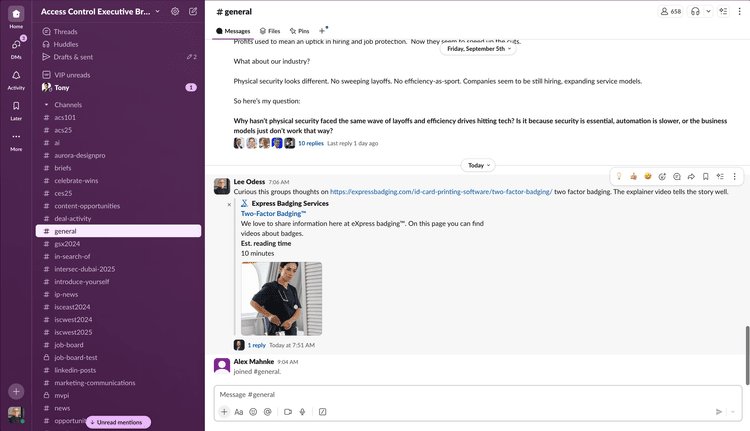
I've come to really enjoy company and partner events. Every time I get the chance to be part of one, I'm reminded why they matter so much.
They're like a buffet of everything we touch in our business daily: networking, insights, thought leadership, products, conversations, culture, and yes, plenty of local food and drink. And the best part? All of it is packed into 24 to 48 hours.
If you know me, you know I'm more of a 48-hour guy than a five-day guy. I’ll do the five days when I have to, but I always walk away from the shorter events with more energy, more connections, and more perspective. And here’s what I have noticed that is getting exciting: these gatherings are getting better. There's a clear formula for what makes an event in our industry productive, memorable, and worth the investment. And just as clear is a formula for what makes one flop.
For me, it comes down to five things:
-
A clear purpose beyond the obvious. What do you want attendees to walk away with besides “product knowledge and our roadmap?” For instance, get into the type of “energy” you want them to walk away with. Ask yourself,“When they go home and someone says, ‘How was it?’ What are the three things I want them to say?” I bet it's not “they have a strong roadmap. I like tacos, and I got this squishy ball with their logo on it.”
-
Location matters. Not just the city or the hotel, but every detail of the environment: the venue, how attendees enter, the rooms, the flow of food and receptions, all of it. Our industry has arrived, and it is time our events do too. We don't need to settle for hotel ballrooms anymore. Little secret, almost everyone hates them. If you’re still defaulting to that, it is not your budget; it is you not trying. The same goes for 6-foot tables for vendors to showcase their old hardware. No one wants to walk up to the table, and no one wants to work the table. I’m happy to debate it. See #5 below.
-
Details make the difference. Treat the event like a wedding. Invitations, the curated guest list, the program, everything adds up to the experience. This comes down to the leadership team empowering their marketing team to do the work they know how to do and getting out of their way.
-
Don’t forget the pre-show and follow-through. A great event does not start the day of or at the end of the actual event. The entire thing is one big touchpoint, and all of the details should be thought through. Go beyond the thank-you email.
-
Budget isn't the problem. Either invest properly or scale back and make it unforgettable for fewer people. A bad experience for 100 is worse than a memorable and engaging one for 20.
Ok, now before we get into the meat of the Brief, I wanted to share about the two panels I had the privilege of moderating while at acre’s Austin event.
The first panel was on AI and Innovation. After getting a sneak peek of what acre is bringing to market soon regarding AI, and as a follow-up to the acquisition of REKS.ai, I caught up with Jeff Groom, Director of Engineering - AI, and Jon Nelson, their new SVP of Engineering. What started as a discussion about AI and innovation turned an interesting corner when we opened it up to QA. It quickly evolved into a blend of talent, business models, and a healthy mix of agreement and disagreement. You can view it here.
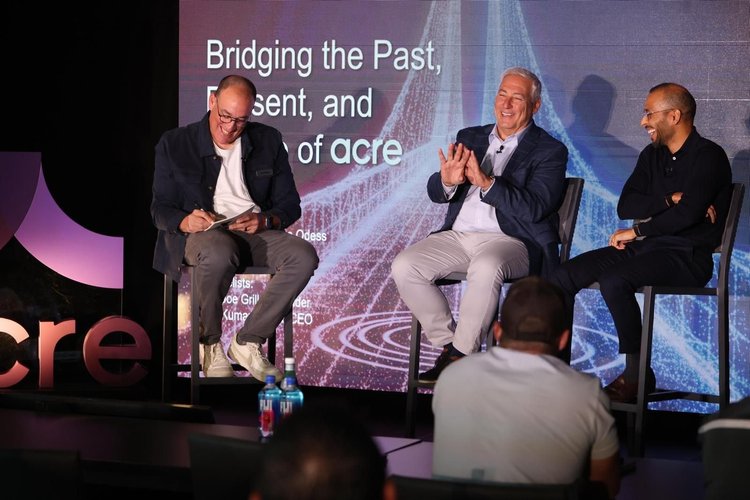
The other was a rare and excellent opportunity to have Joe Grillo, former founder and CEO of acre, and Kumar Sokka, current CEO of acre, on stage for a discussion titled “The Bridge – Leaning in on the Past, Launching to the Future.” You will be sent this discussion as part of an episode of the series “Access the Future,” a collaboration I did with acre security where we unpack seven forces reshaping the access control and security industry. The candor, lessons, and stories were impactful. Of all the talks I’ve given, this one was particularly refreshing, as it had nothing to do with products and everything to do with how our industry builds on its past to chart the path forward. It was an absolute privilege, and I am grateful to have the opportunity to be part of it.
Alright, now to my takeaways from acre's first partner event.
Please reach out if you need anything.
See you online!
Lee
Sharpening Arrowheads, Strengthening Wood, Building Bridges

This was acre’s first partner event under the “one acre” banner and strategy. While their separate brands hosted events in the past, this represented the unified acre vision. It was an integrator-focused event, not an end-user event, and positioned as “the first of many.”
Andrew Rapsey and his team delivered a thoughtfully designed experience, raising the look and feel of acre events. Well done! Despite the challenge of a difficult presentation room, they adapted well. If that was the only friction point, it is a testament to how well-executed the event was. The details were tight, polished, and intentional. The event signaled to every attendee: “You matter.”
Highlights included:
-
Pre-show swag was delivered to your hotel room after you arrived, which impressed
-
Food and beverage are consistently on point
-
River cruise (initially questionable because I’m not into boating, ultimately enjoyable)
-
Strong use of the Firmspace office and W Hotel venue
-
Stage design that maximized a tough room
Leadership and culture shift
The entire show felt different, and ever since Kumar took over, acre has some new found swag. There's a noticeable sense of confidence, not arrogance, but belief. It's leadership over management, a shift our industry often misunderstands or undervalues.
Like what I observed with Kyle Gordon at AMAG, Kumar projects leadership that shoots through his team (totally different people and ways, but similar outcomes). This is not about ego; it is about conviction. His approach says: “I bet on me, and you should bet on you too.” That confidence attracts top talent and energizes the existing team. The result is a sharp, diverse group with strong chemistry.
This event wasn’t just about products or roadmaps. It was about leadership. acre used the platform to express its new identity, signal its direction, and instill belief in its partners. They succeeded.
Acre vs AMAG: parallels and contrasts
I intentionally referenced AMAG earlier because the similarities to acre struck me during the partner event. Coming off AMAG's event the week before and stepping into acre’s (both held in Texas, btw, and I have had enough Tex-Mex and BBQ for now), the comparison was somewhat “natural.”
Both companies presented thoughtful strategies for where their business is. There are clear parallels. They are directionally aligned, with light overlapping roadmaps and some shared themes about growth beyond incremental gains. Yet their approaches diverge in telling ways:
-
Ownership and Incentives: Allied vs. Triton
-
Tone: Contrite vs. Bridging
-
Execution: Same ambitions, different cultural signatures
Together, they illustrate what happens when incentives shift and leadership is aiming for more than just 5% year-over-year growth. Both are positioning to redefine their trajectories. Watching how they intersect and diverge will be fascinating.
Brand and messaging
One of the strongest moments at acre's event, and although subtle, it was also for everyone in the room, was their bridge analogy. The new logo, literally a bridge, was framed as a symbol of moving security forward, bridging the past to the future. It is smart, sophisticated, and memorable. The narrative is simple, the imagery easily digestible. It tells a story that both partners and customers can easily carry forward. We need more of it. They can own it, it's relevant, and repeatable. Branding at its best. Again, Andrew and team, well done.
When I am asked, “So what did you think and walk away with?” Here is the analogy that I use: let's talk about arrowheads vs wood.
I find myself coming back to the “arrowheads vs. wood” analogy when I talk about acre. I use the same analogy for most incumbent and legacy brands, but I also use it for Genea, going the other way. The analogy is a simple way to break down where value resides. Companies like acre have been in the wood business for years. They’ve gathered it (11 acquisitions), stacked it, and built a lot of it. A ton of wood, some arrowheads, but really separate arrows. In some cases, they were out buying wood just to make sure they had wood. Now? The conversation is shifting. They’re not only shoring up that wood but also sharpening some of their existing arrows and even building a few new ones.
Here’s what I am getting at. The arrowhead is what people see. It is the mainstream desire. It’s sharp, specialized, and designed to hit the target. It is what gets people to buy. Right now in our industry, those arrowheads are cloud, mobile credentials, AI functionality, or frictionless devices that catch everyone’s attention. They are new, impressive, feel innovative, and they get the glory.
But an arrowhead without wood doesn’t fly. The arrowheads draw customers in, sometimes make a purchase, but they tend to stay for the wood.
The wood is the part no one celebrates, but our industry idolizes. It’s the controllers, the readers, the wiring, the databases, and the integrations that give the arrow its length, balance, and strength. And since we do not have any R&D houses to speak of, without the wood, the arrowhead is just a shiny piece of metal that goes nowhere.
But it’s worth noting that too much wood without arrowheads isn’t a good thing either. You can stack up panels, software, and infrastructure, but if you never shape that into a sharp, usable point, all you’ve got is a pile of sticks. We know what that looks like. We have invested years in back-end systems without delivering the visible innovations that customers actually notice and value at scale. The result is solid, dependable… and forgettable. Without arrowheads, the wood becomes weight without direction. And in some cases, wood with weird appendages built off of it, turning it into some weird Frankenstein.
Flip side again on too many arrowheads and not enough wood, it’s easy to get infatuated with the tip of the spear only, especially in an industry hungry for something exciting and new. But all the sharpness in the world doesn’t matter if the shaft behind it isn’t built right. At the same time, wood without arrowheads leaves you holding a stick, solid, maybe, but at some point, it becomes outdated and not as useful as customers need and demand. The want things to fly.
This is what acre is going through. Years of stacking different types of wood and arrowheads. Now? They are bringing all the wood together to work as one arrow. And at the same time, they are starting to sharpen some of the arrowheads they’ve had but were under appreciated (see TDS and visitor management) and are investing in new arrowheads (see the work they are doing with GenAI, hardware, etc).
It's a privileged position to be in, having so much wood. For some, it becomes heavy and can drown a company. For others, they take what they have, throw away the dead wood, strengthen the old, sharpen the existing arrowheads, and build more.
That takes leadership. That takes investment. That takes empowerment. That takes time, but with a sense of urgency. And it takes trust.
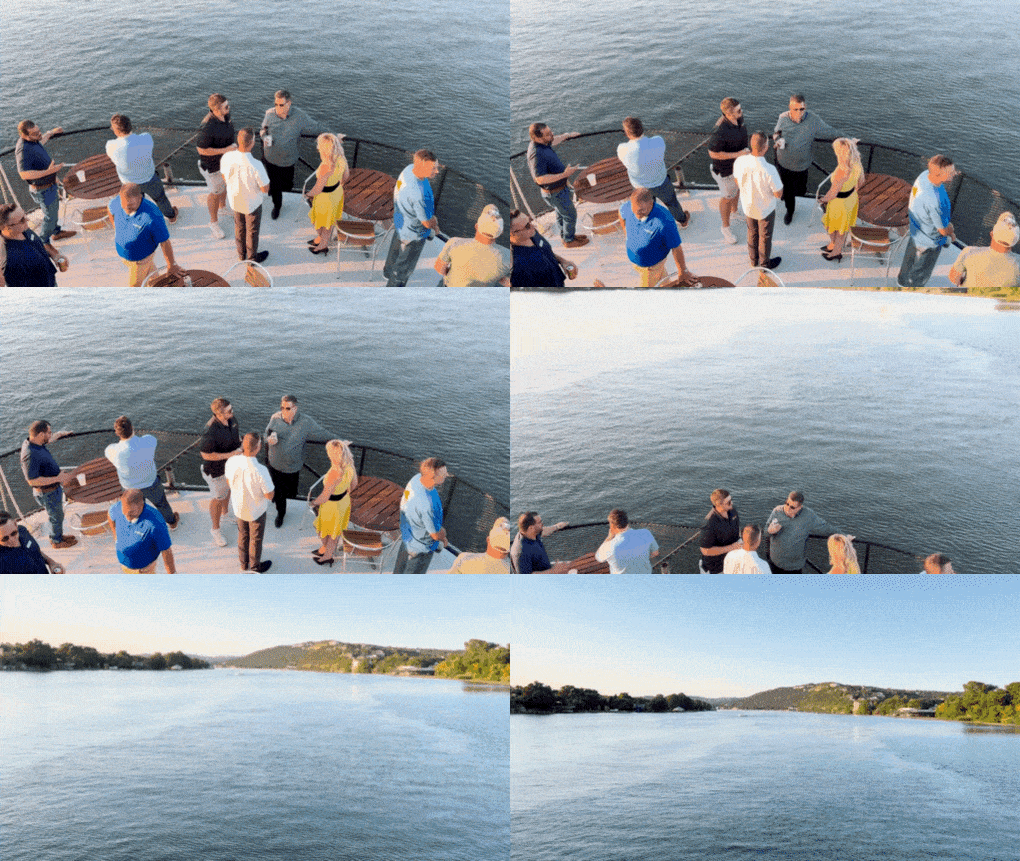
Overview of what I saw and heard on Day 1:
Kumar's keynote:
The presentation centered on how the company is balancing its legacy strengths with a forward-looking strategy. Kumar shared how they are building on an established customer base while investing in technology, partnerships, and internal capabilities to prepare for future growth and scale. They described their people-first approach to security, ongoing operational improvements, and a roadmap aimed at unifying cloud-native systems. The conversation provided a clear picture of how the company sees its role in guiding the industry’s transition from hardware-driven solutions to more intelligent, software-powered ecosystems.
acre is leveraging its strong customer base, which includes brands such as Tito's, Waymo, and Texas Instruments, as a competitive advantage that newer entrants lack. Over the past year, Kumar alone has visited more than 300 customers and integrators, reinforcing their belief that “people-first security starts with a partner-first approach.” They are in the midst of a major transformation: revamping their website, investing heavily in back-end infrastructure through the “One Acre” NetSuite initiative to unify data, finance, warehousing, and Salesforce, and building a self-serve process. A new partner program and portal are in development, with a focus on gathering the right feedback and making migration processes simpler across on-premise and cloud systems. Their strategy centers on scaling with a target of 30% cloud growth while remaining operationally disciplined and profitable. Kumar emphasized that “moving forward doesn’t mean leaving anything behind” and acknowledged, “we can’t do everything and we know it.”
Kumar stated that he was drawn to the company when a key partner moved to the cloud, underscoring the shift in the industry. He feels acre can replicate that over and over. The company, with over 30 years of experience, 500 employees, 1 million managed doors, and presence in 25 countries, continues to evolve from hardware-first solutions to intelligent, software-powered ecosystems. Their roadmap includes a unified product portfolio, a new operating system to tie everything together, AI, a next-gen hardware, and a bridge to help migrate existing customers to their platform. They have assembled an entirely new leadership team since Kumar joined, including a COO, CMO, and Chief of Staff, and are clear-eyed about their path: “security has always been about more than doors, panels, and data. It’s about people.”
You can see the pieces coming together.
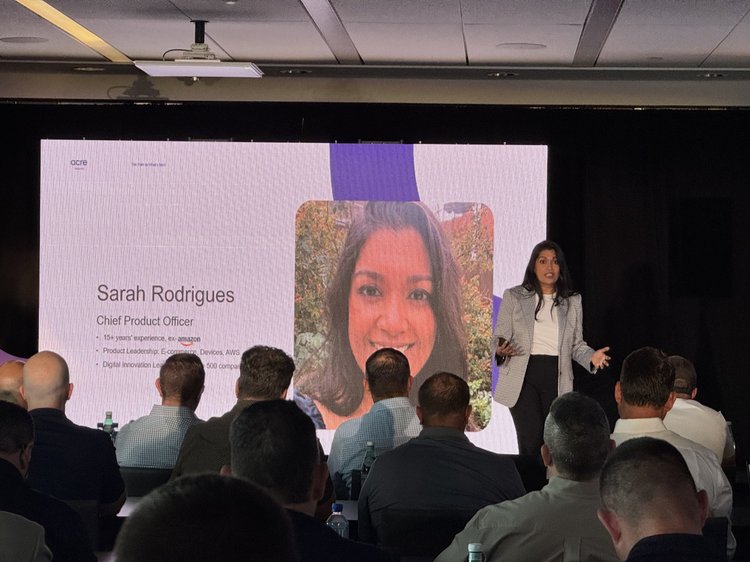
Then Sarah Rodrigues did the product keynote.
Sarah is an example of new talent being brought not only into acre but also into the industry. Her background is interesting as she is fresh off a stint with Amazon that spanned AWS, Alexa, and consumables. She brings a unique perspective, and you can tell she is diving in headfirst into the security industry (Check out episode #5 of Access the Future, where she and I discuss her background and thoughts on platforming).
In her presentation, she outlined acre’s vision with three clear promises: investing to strengthen the core, accelerating priority migrations to the cloud, and ultimately delivering a unified acre platform. She then laid out five guiding principles that will shape how the company builds: customer-centric, open and connected, easy to learn and use, secure and compliant, and powered by AI insights. Together, these principles provide a strong framework for how acre intends to differentiate and grow. None of this is going to be easy given the legacy products to consider, but the strategy looks doable based on what she described.
One of the standout announcements was an update on FITS (Functional Integration Toolkit Scripts). Although already in the market, FITS is growing into its own and you can see the potential. This scripting tool is designed to streamline programming, integration, and workflow efficiency. In practice, FITS allows customization of acre's access control platform in a way that mirrors how iOS supports apps. It moves the burden of “integrating” away from their internal engineering and product management resources and allows the market to build. The FITS Gallery acts like an app store, and FITS packages are the apps. The concept is powerful and aligns with the platform and software-centric nature in which acre is evolving. In my opinion, the current messaging is overly technical, and it's clear that it's being driven by the engineers behind it, with a supportive sales organization. For this audience, simplifying the story and sharpening the marketing will be critical. I am sure that's in the plans.
Together, FITS and KEEP (their API) position acre as an integratable, extensible platform that partners can build on. The keynote reinforced the company’s push toward modernization and platform unification, with the real opportunity lying in how effectively the vision is communicated to integrators, partners, and the end users. With all this new, it will be a shame to shove it through all the old, but I am not concerned. The team has demonstrated the ability to use the past as a springboard, or a bridge, and not a boat anchor.
No better time to be in our industry than now. When I get asked, “Can Kumar do it?” My answer is, “Yes, I feel good about what they are doing, because it is not just Kumar. He’s mixed an existing talented team, with fresh new people and ideas and a solid base to build off of. If I had to place bets, there is no reason for me to not place one with them.”
Thank you, acre security and team, for the opportunity to be in the room and play a small part in a very successful event. I look forward to the next one.
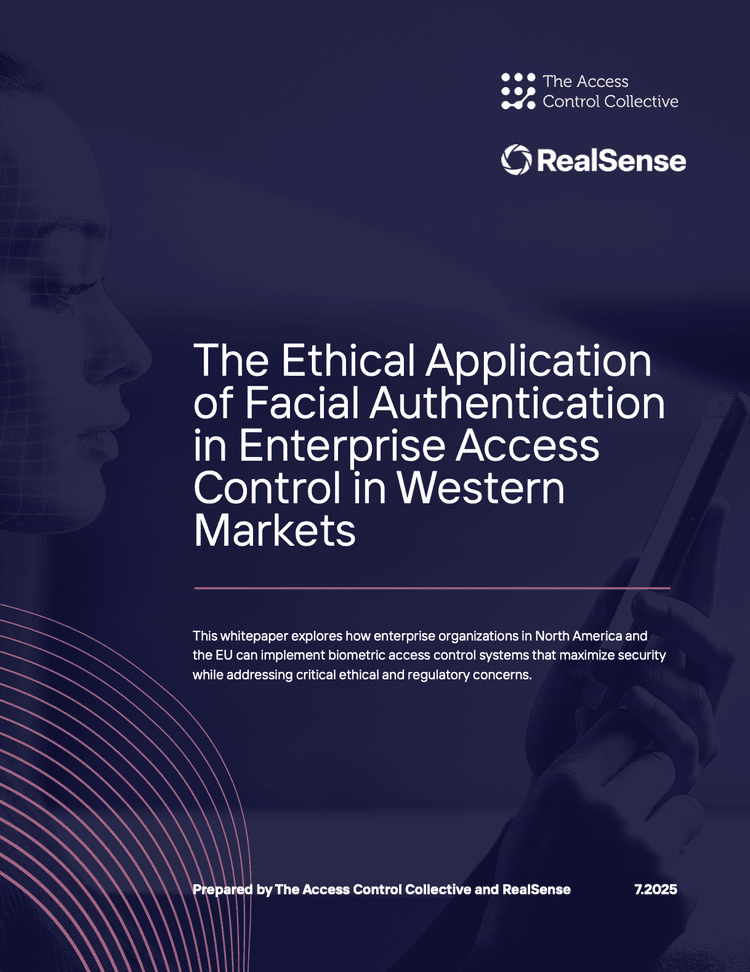
Download the white paper here.
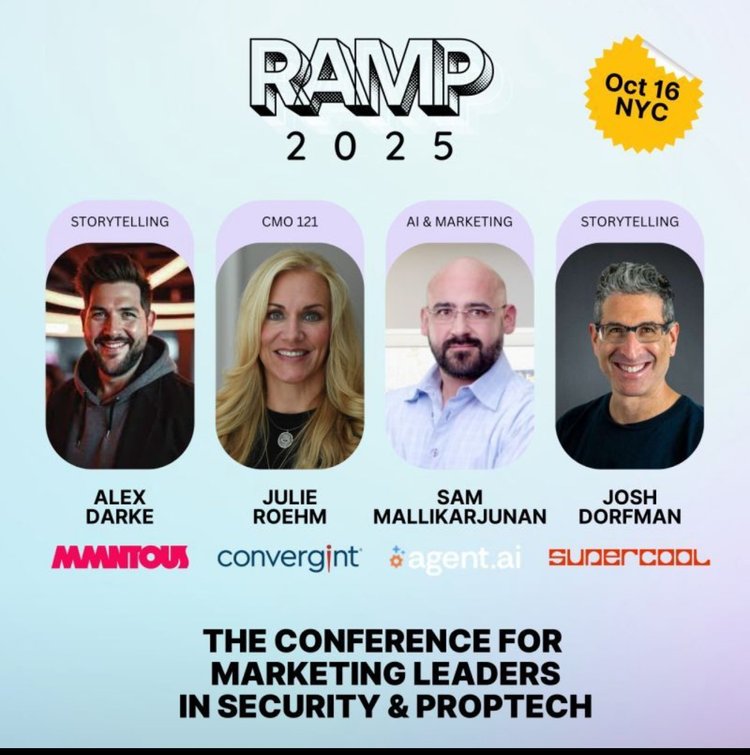
If you're a marketer in security or proptech, you already know: most industry events aren't really built for you.
𝐓𝐡𝐢𝐬 𝐨𝐧𝐞 𝐢𝐬.
Hilary and I have talked about this since day one.
We wanted to create an event for marketers. We've both felt the gap, not just in content, but in community, and we believed we could help fill it, because we’ve lived it.
So we teamed up with the crew at Bloxspring (Adam Malik PJ Appleton) to make it happen.
The first event is this fall in NYC. The next one will be on Bloxspring’s home court in London.
𝐓𝐡𝐞 𝐂𝐨𝐧𝐟𝐞𝐫𝐞𝐧𝐜𝐞 𝐟𝐨𝐫 𝐌𝐚𝐫𝐤𝐞𝐭𝐢𝐧𝐠 𝐋𝐞𝐚𝐝𝐞𝐫𝐬 𝐢𝐧 𝐒𝐞𝐜𝐮𝐫𝐢𝐭𝐲 & 𝐏𝐫𝐨𝐩𝐭𝐞𝐜𝐡
Thursday, October 16
8:00 AM – 4:00 PM
New York City
𝐑𝐞𝐠𝐢𝐬𝐭𝐫𝐚𝐭𝐢𝐨𝐧 𝐢𝐬 𝐧𝐨𝐰 𝐨𝐩𝐞𝐧. Register here and select the member discount.
If you’re a marketer in this space, we made this for you. Hope to see you there.
LATAM at the Center of Access Innovation
ACS LATAM 2025 is an exclusive (and free) regional edition of the Access Control Summit, co-hosted with Google and supported by HIDand ASSA ABLOY. This special gathering brings together 150 industry leaders from across Latin America to explore the future of access control.
Held at Google’s LATAM HQ in São Paulo, the summit offers a curated platform for strategic dialogue, cross-sector insights, and high-impact networking. From mobile credentials to AI-driven infrastructure, ACS LATAM highlights the technologies and partnerships shaping the region, fast emerging as a global hub for innovation and collaboration.
Find out more information and register here.
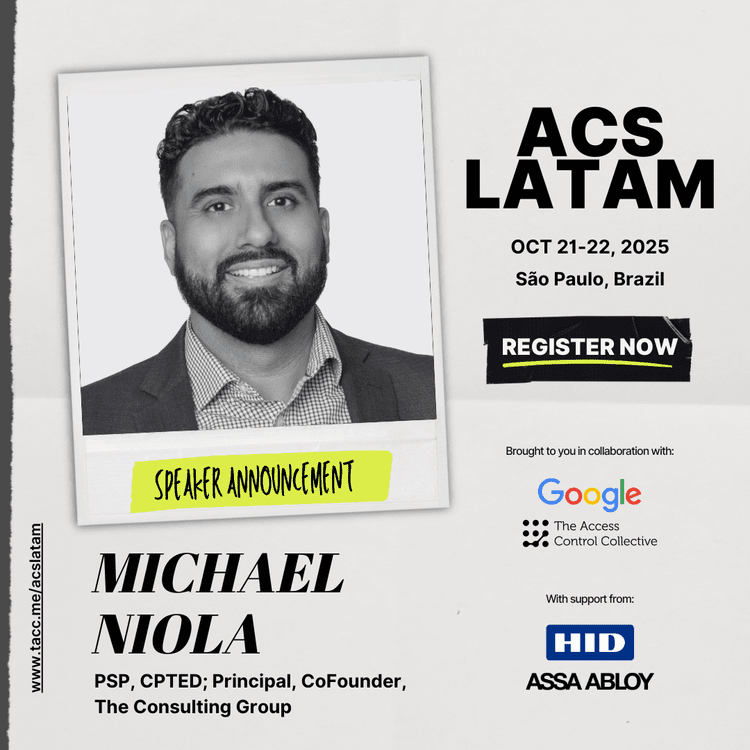
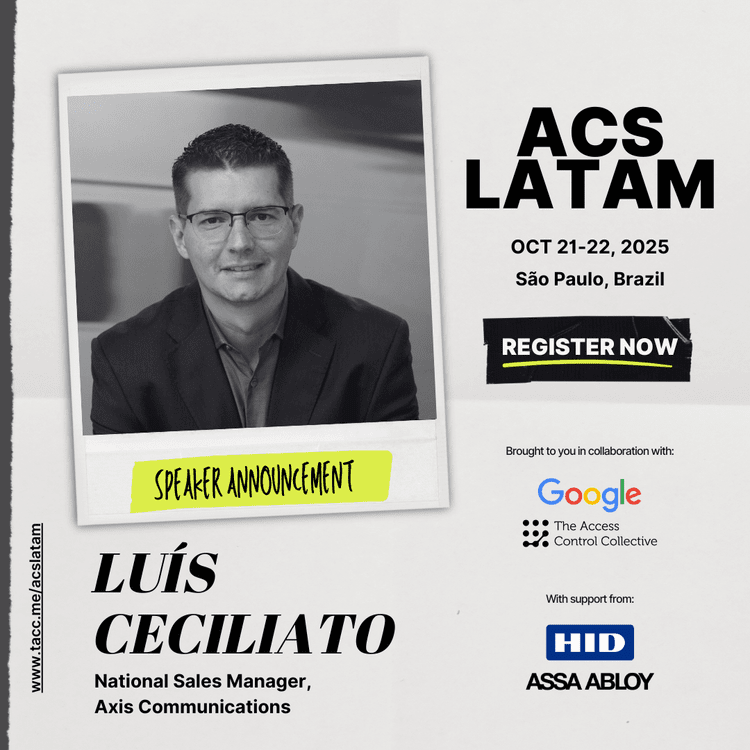
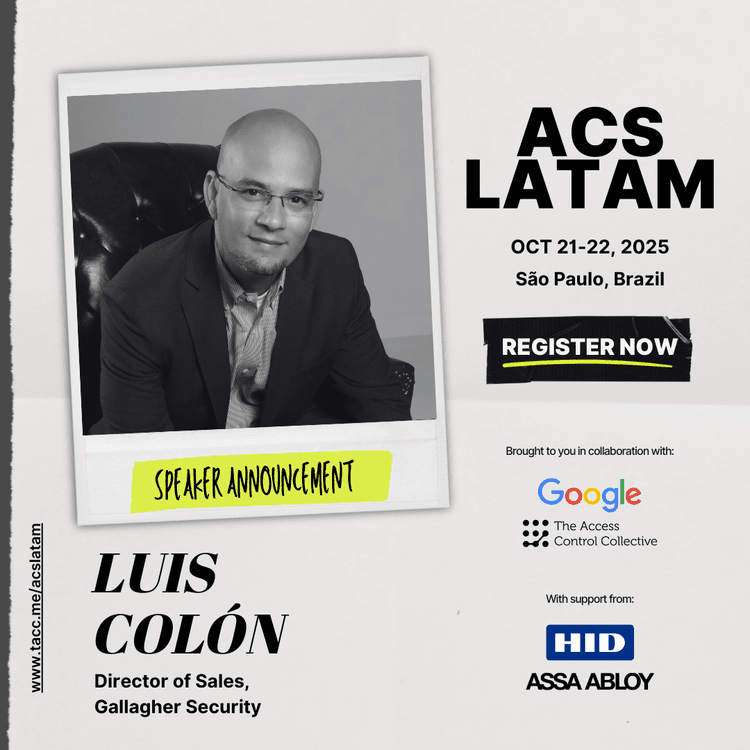
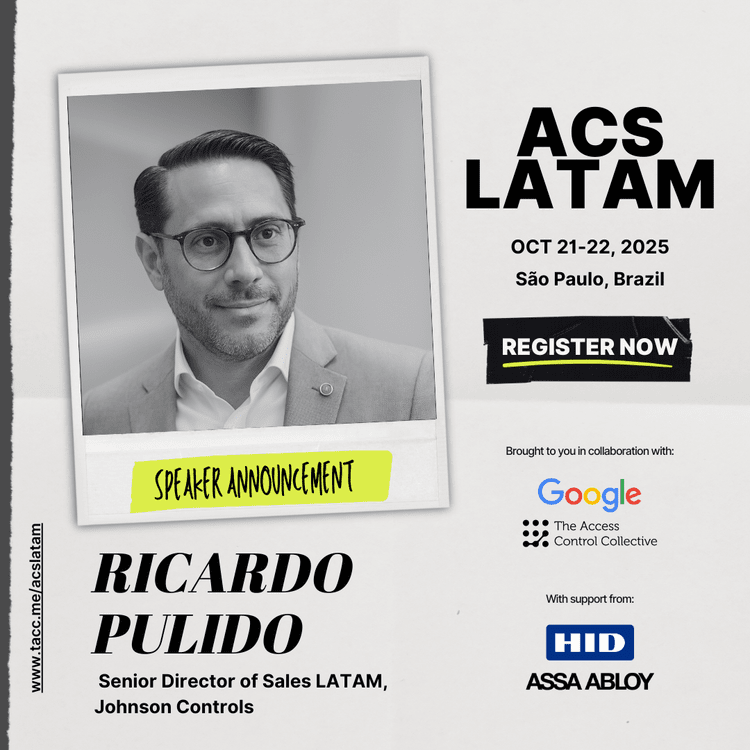
Here are some of the 20+ speakers scheduled to be at ACS LATAM:
PS: I am sure some of you may forward this, but please do so sparingly and encourage others to sign up here. Thank you!
